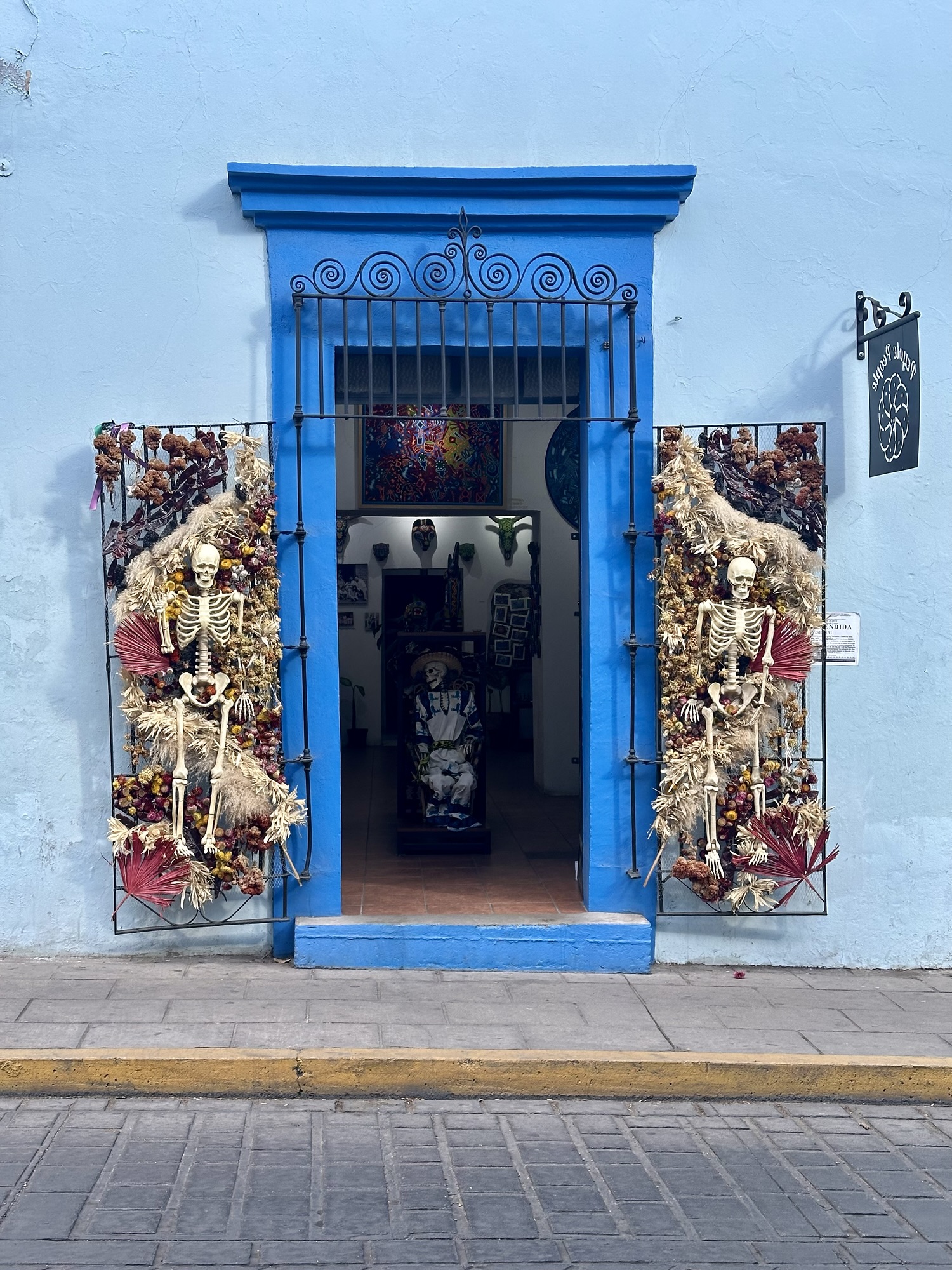
13-14 January 2026
Tuesday morning we were off to the Puebla Central Bus station, where we caught the ADO ‘premier’ class bus to Oaxaca.
The five-ish hour journey was comfortable enough – the seats were a bit better than your average international premium economy class seat. The thing which was not ‘premium’ was the onboard lavatory, as Mark found out to his disgust at approximately the four hour interval. 🤢
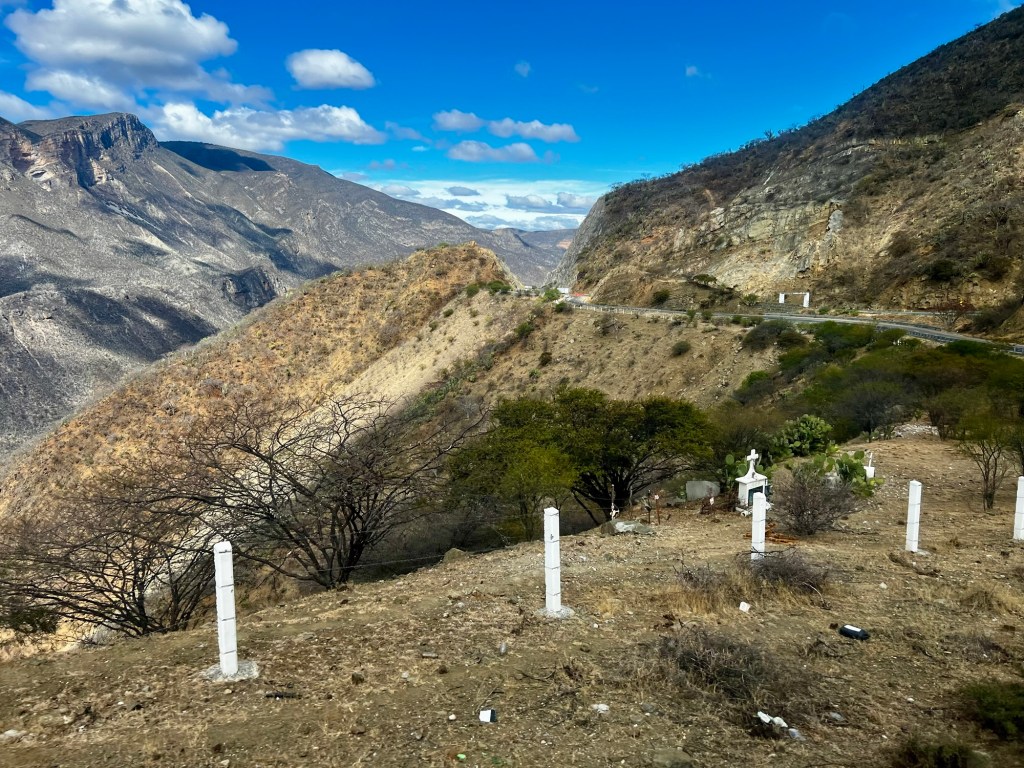
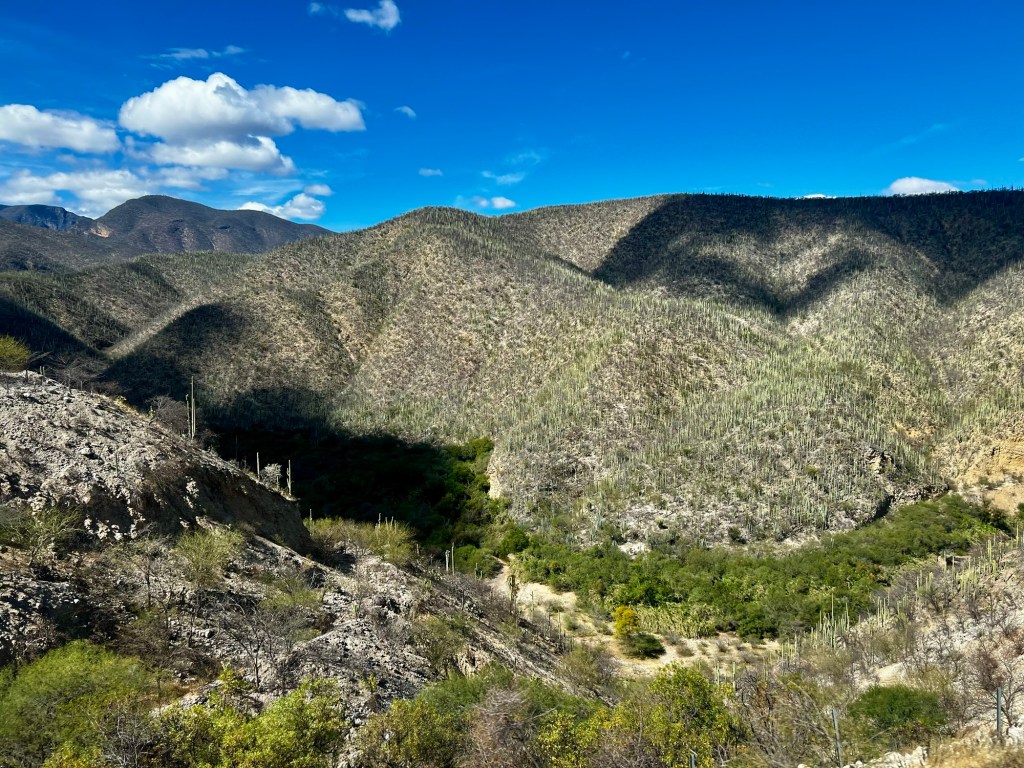
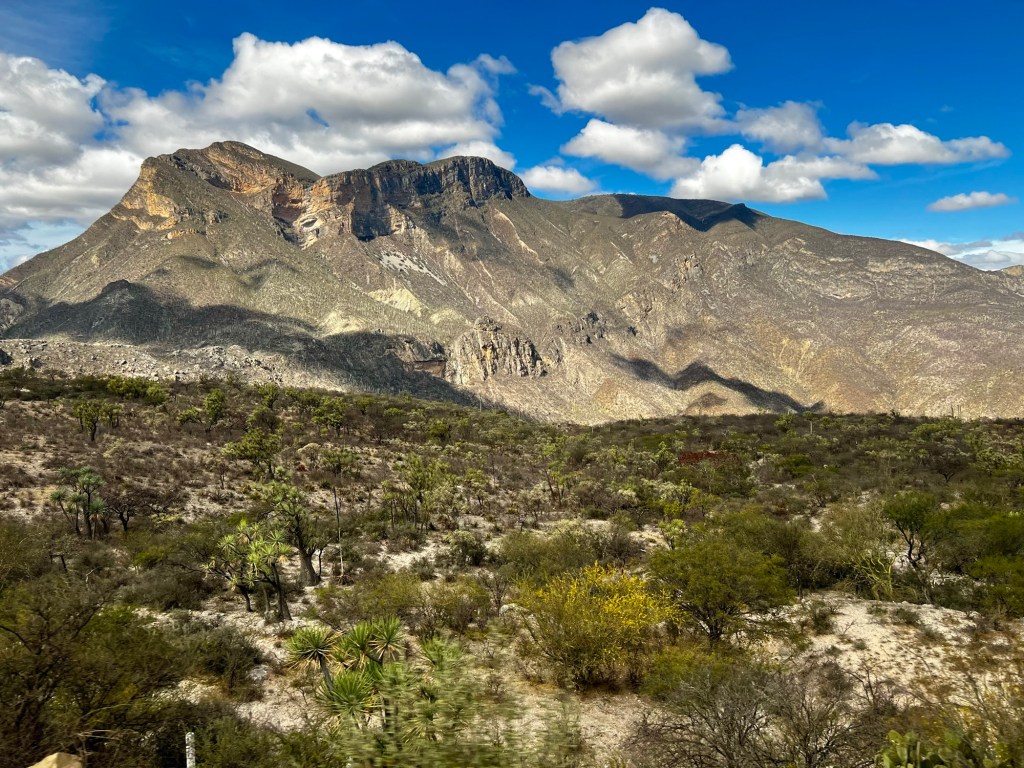
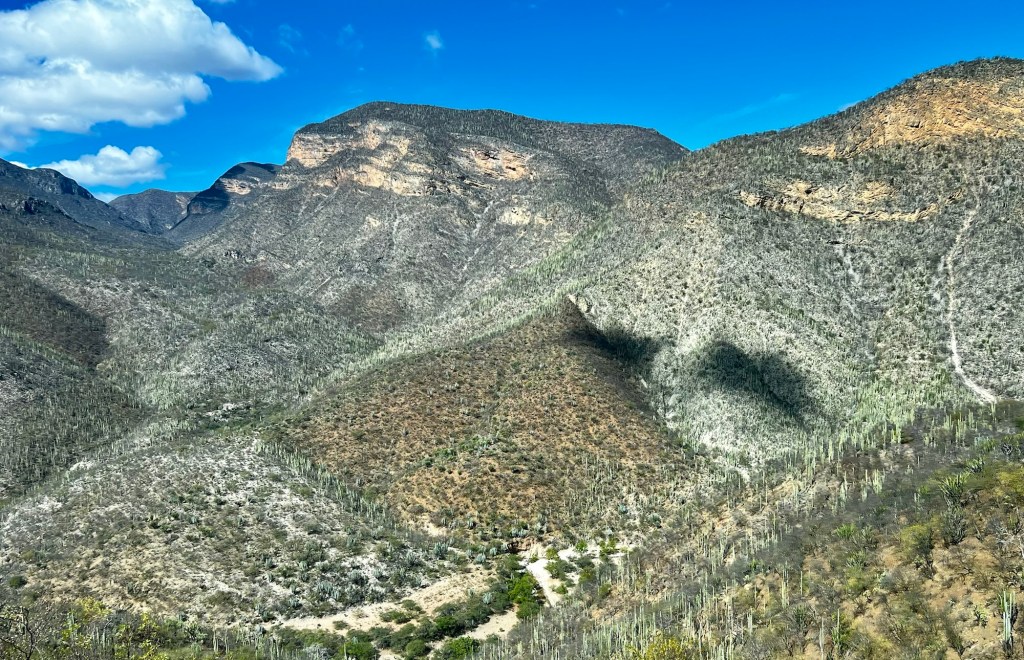
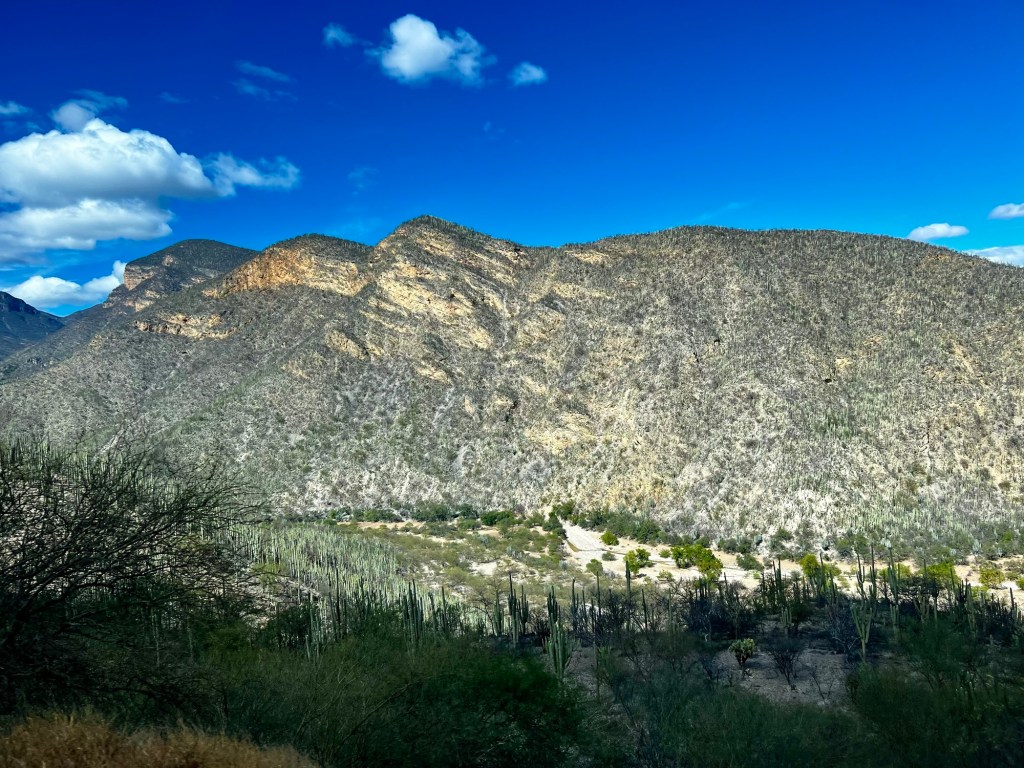
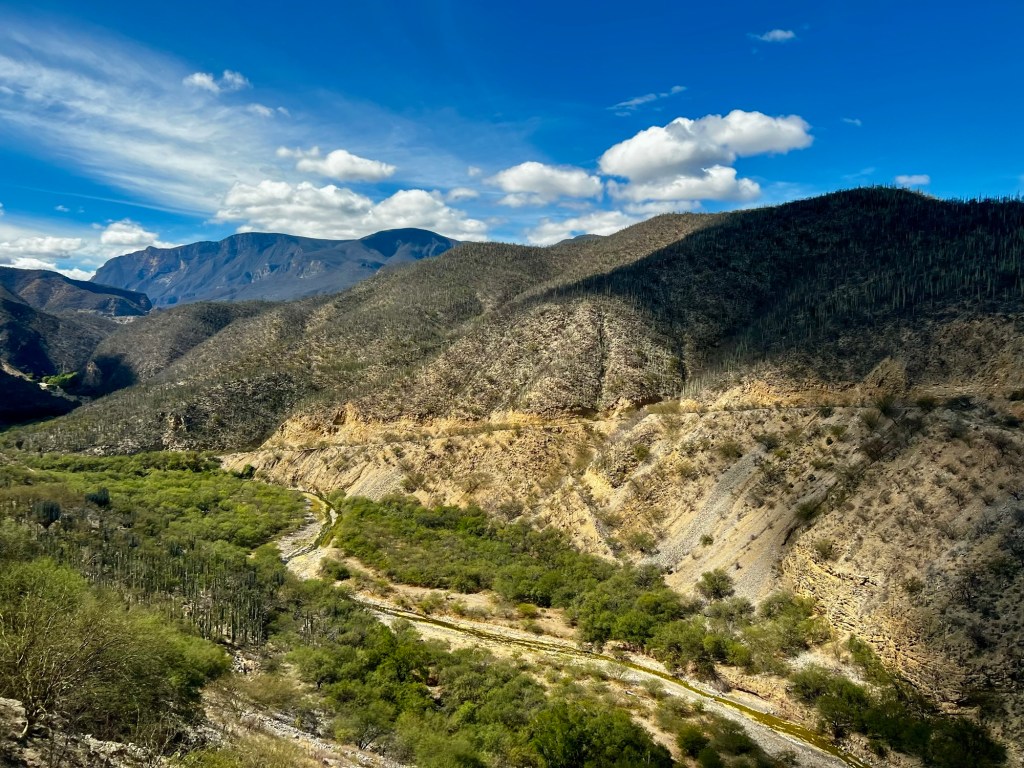
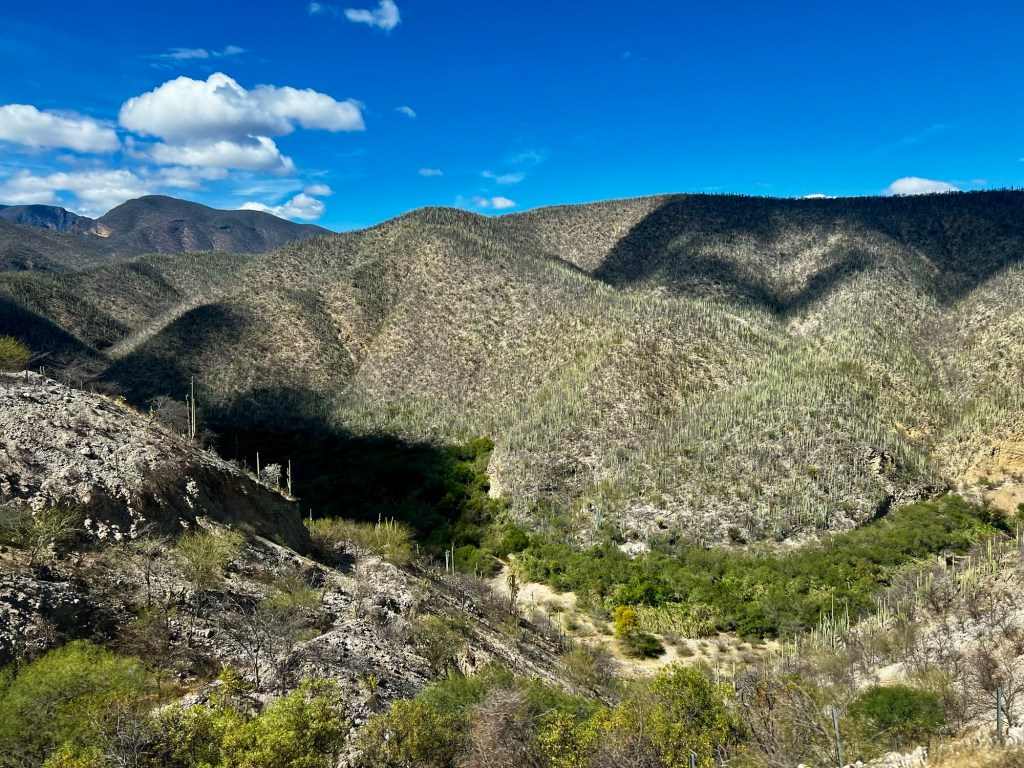
The scenery was fascinating- with the road climbing up and over several ranges and the valleys in between. Some of the passes were over 2,500 metres, making for some great views.
A large portion of the ranges were covered in really high cactus ‘forests’ , a strikingly unfamiliar landscape to Australian eyes. Some of the scenery (the green ‘whiskers’ in some of the photos are the cacti);
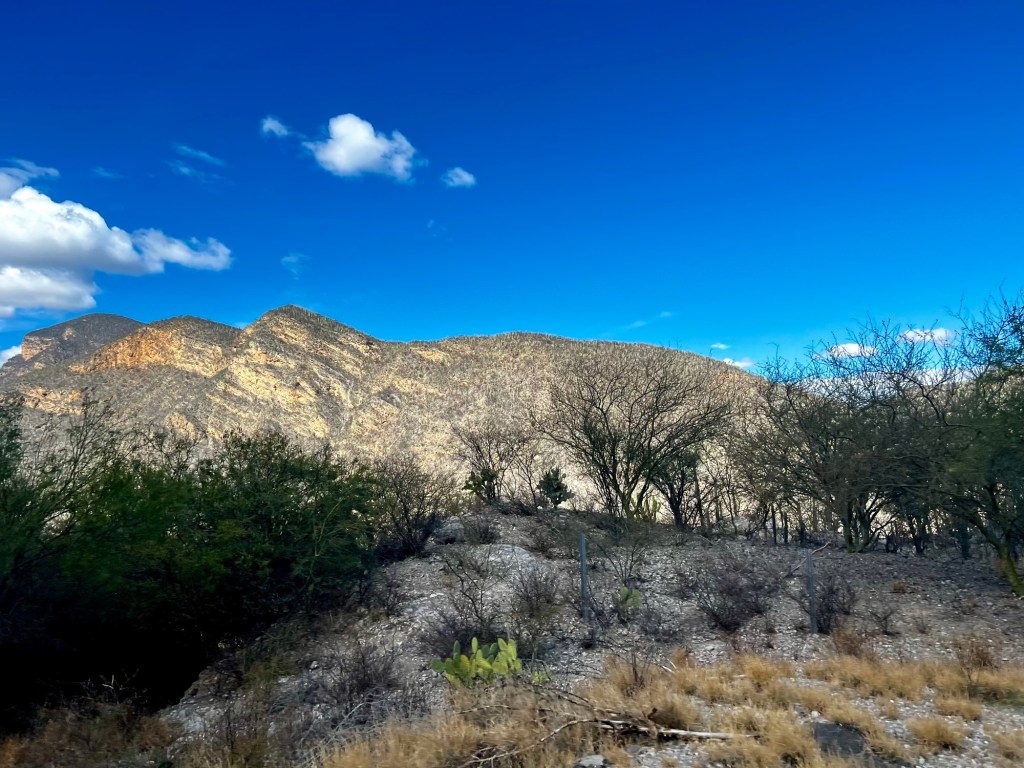
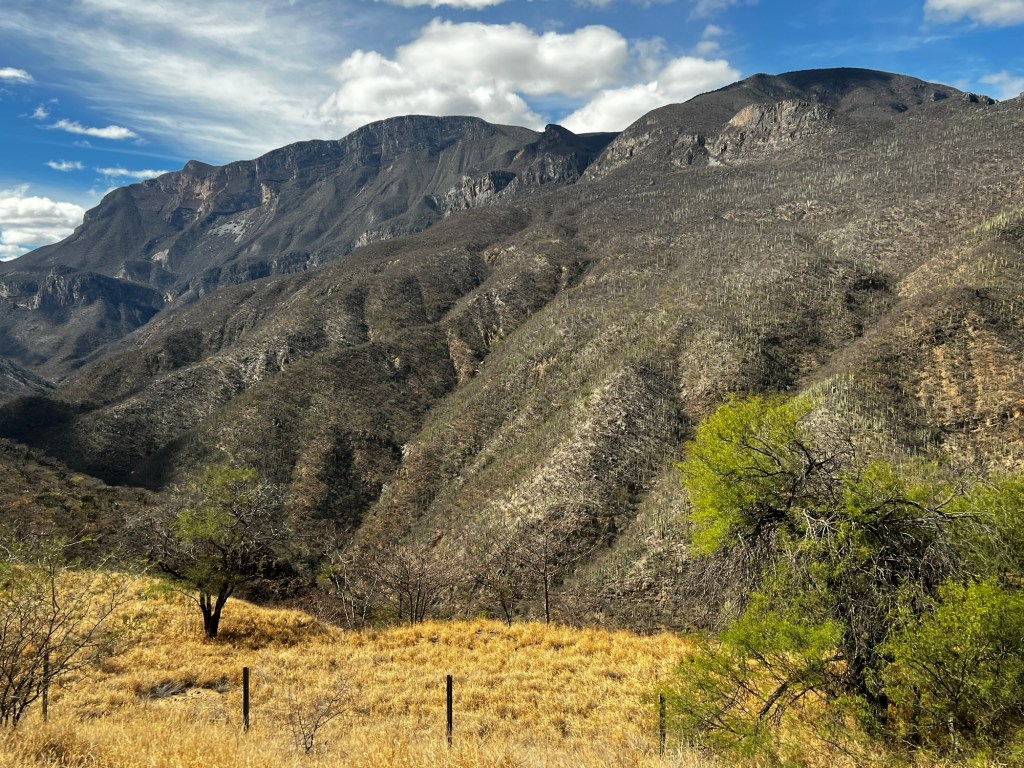
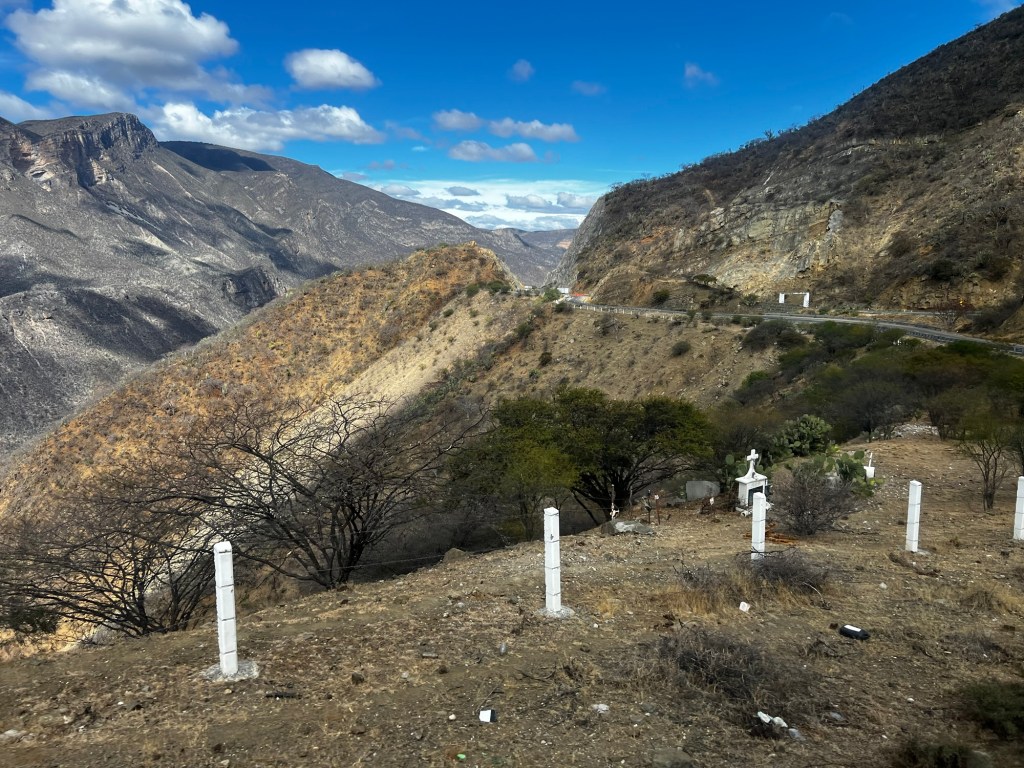
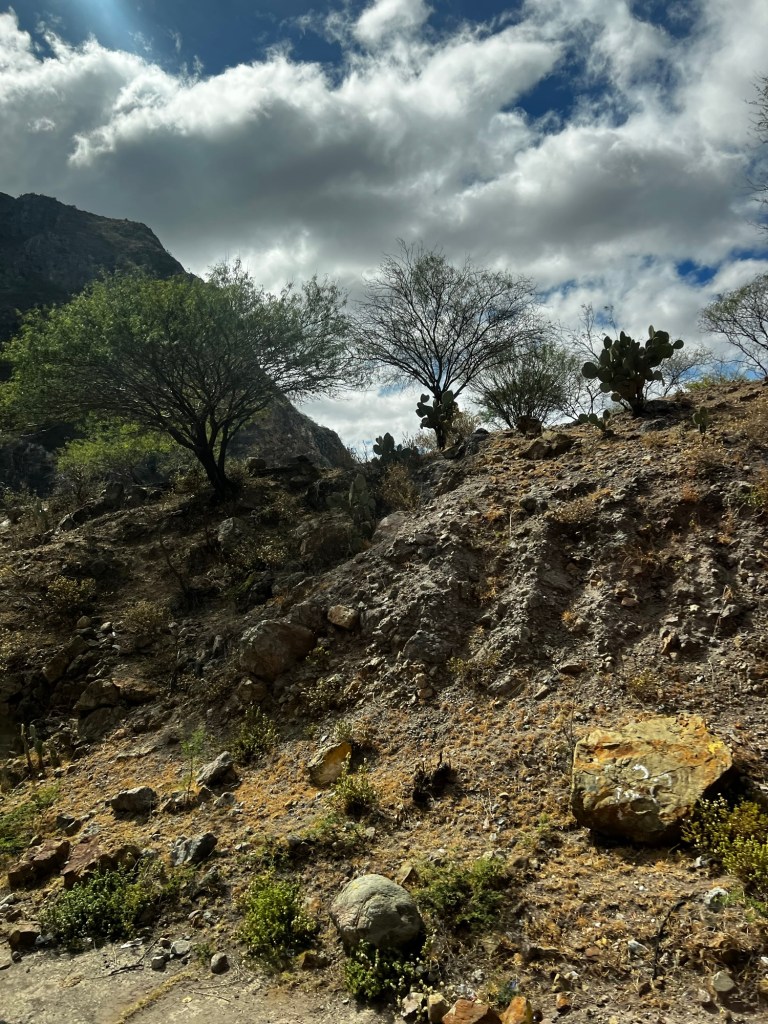
A late afternoon arrival and a quick cab ride from the Oaxaca bus station saw us into our hotel in the historic central district of Oaxaca.
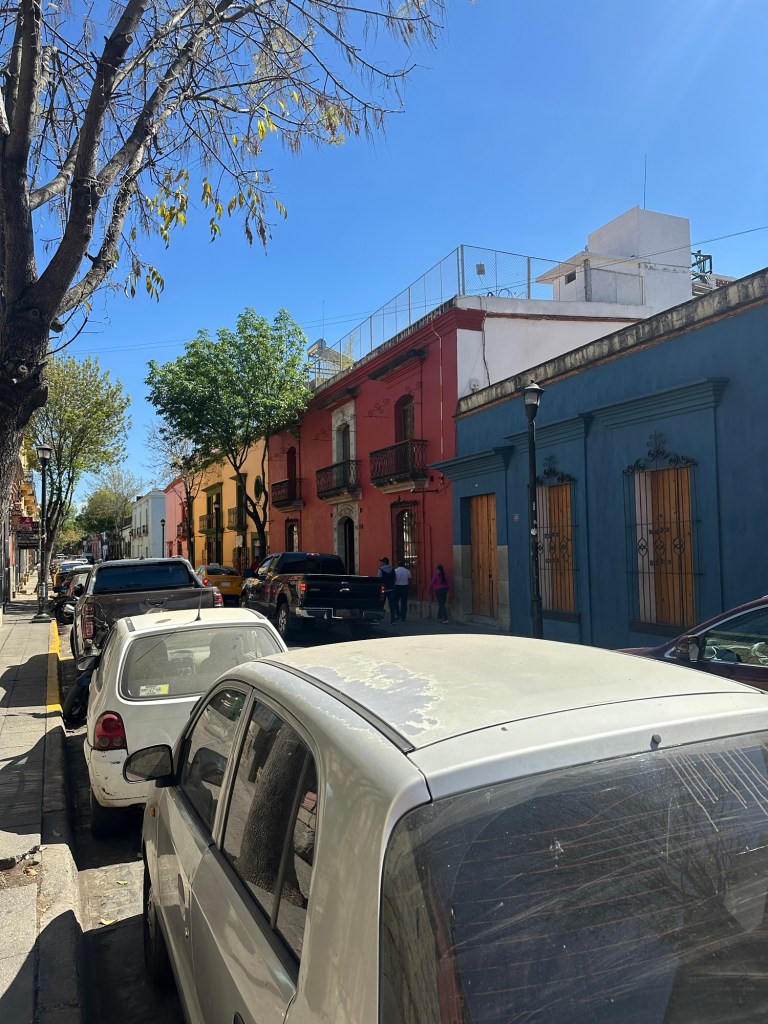
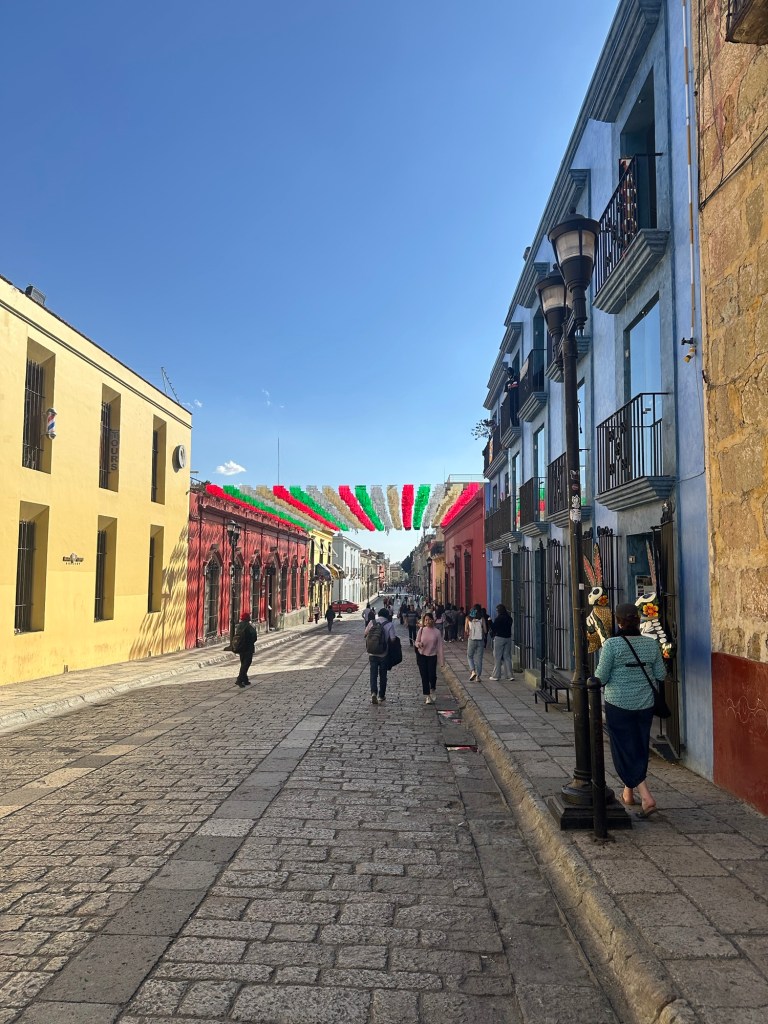
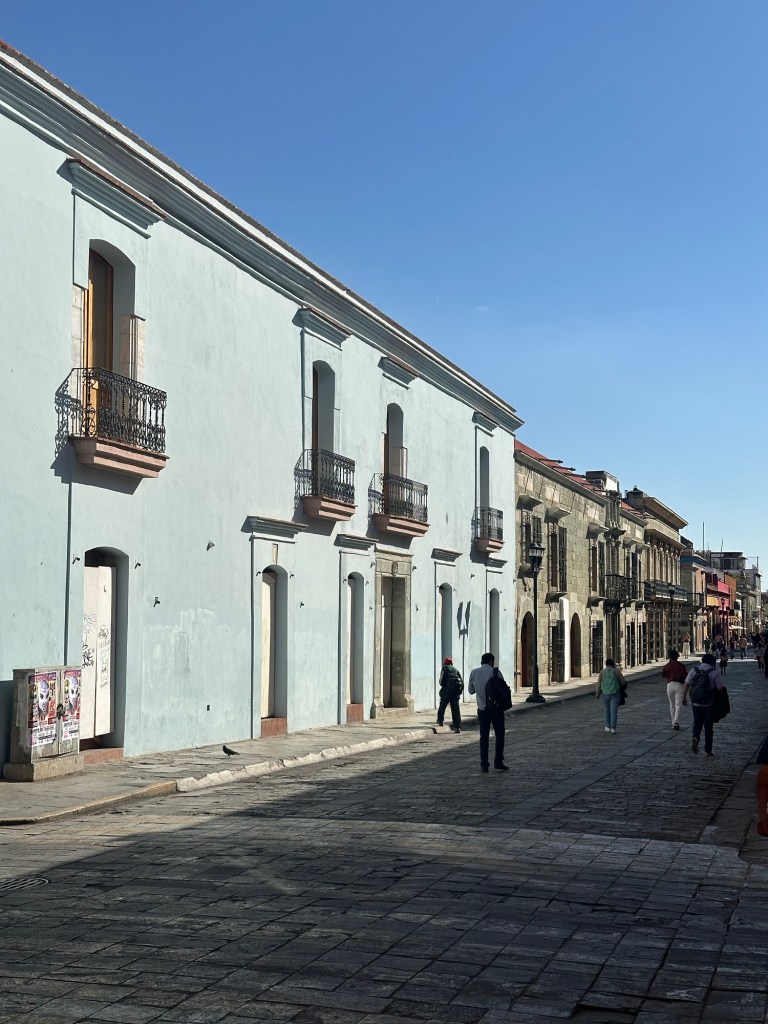
If the streetscape of central Puebla was an improvement on Mexico City, central Oaxaca takes it up another notch. Set in a deep valley surrounded by high hills / mountains, central Oaxaca has a lot of charm.
Some street scenes:
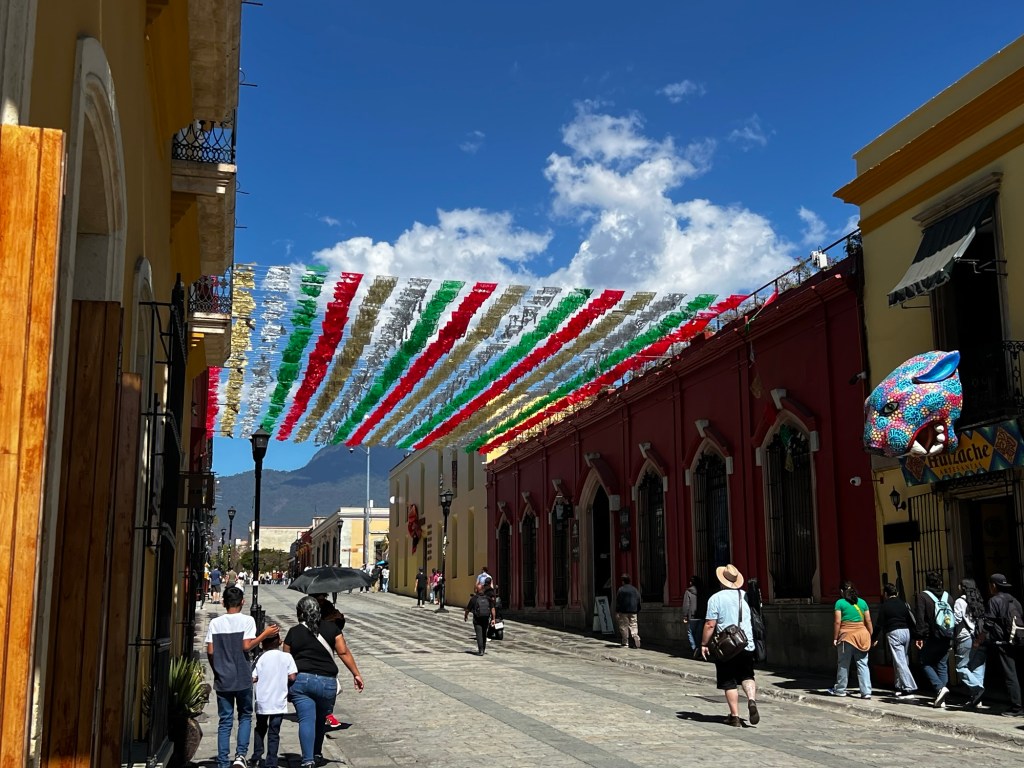
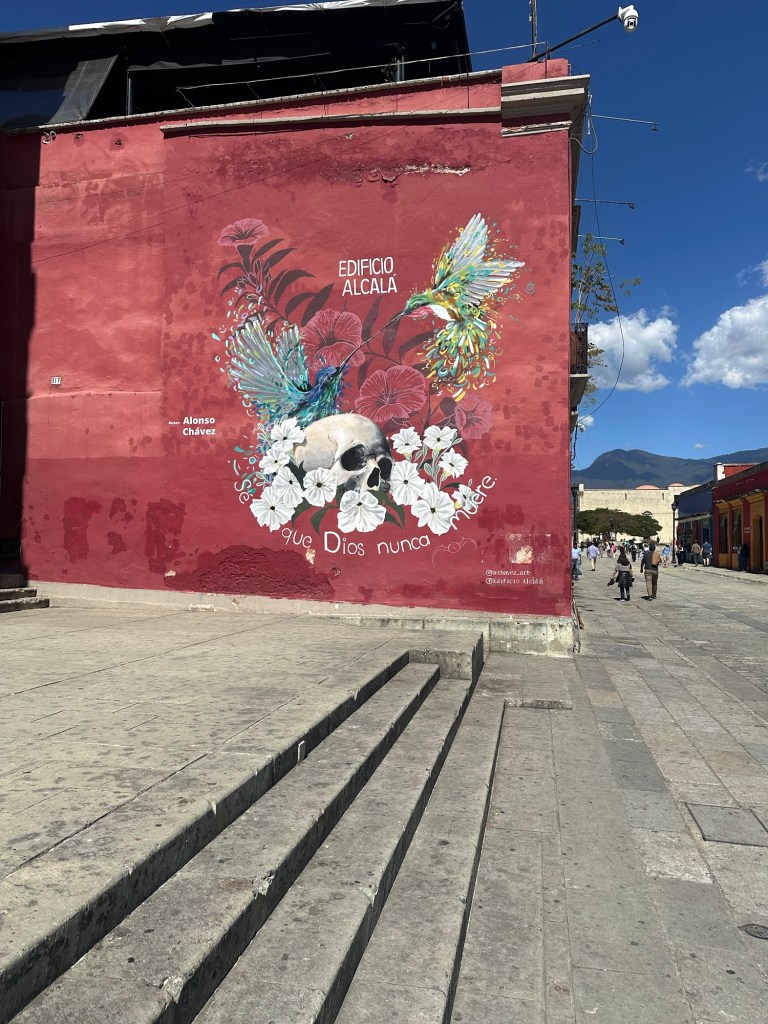
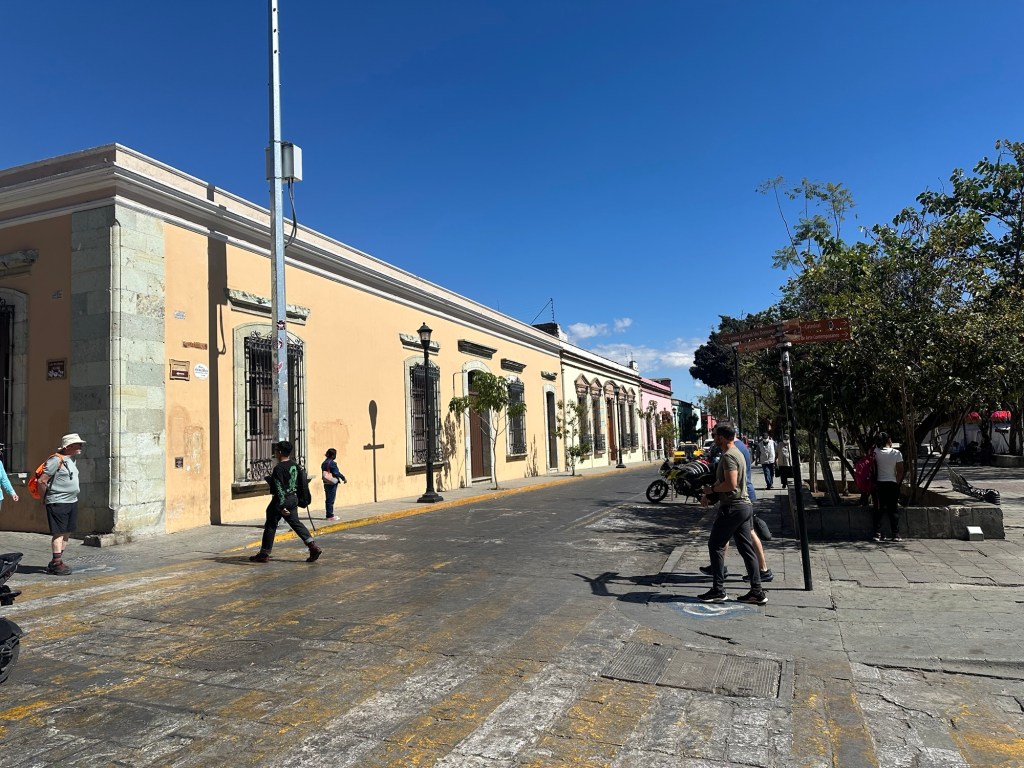
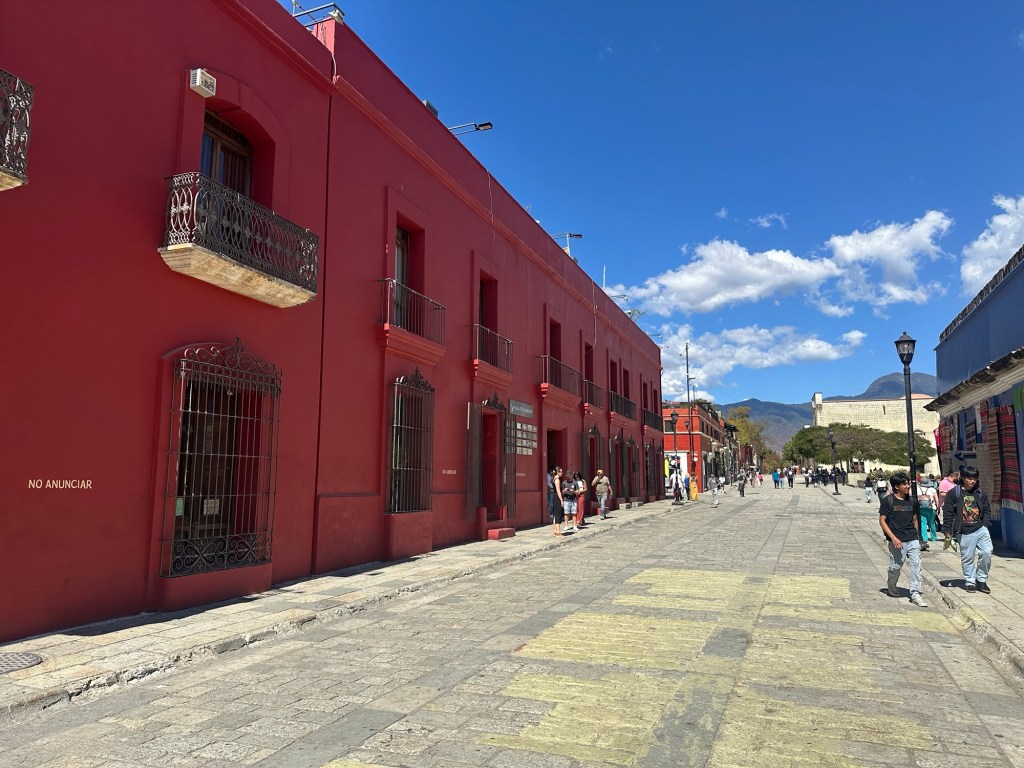
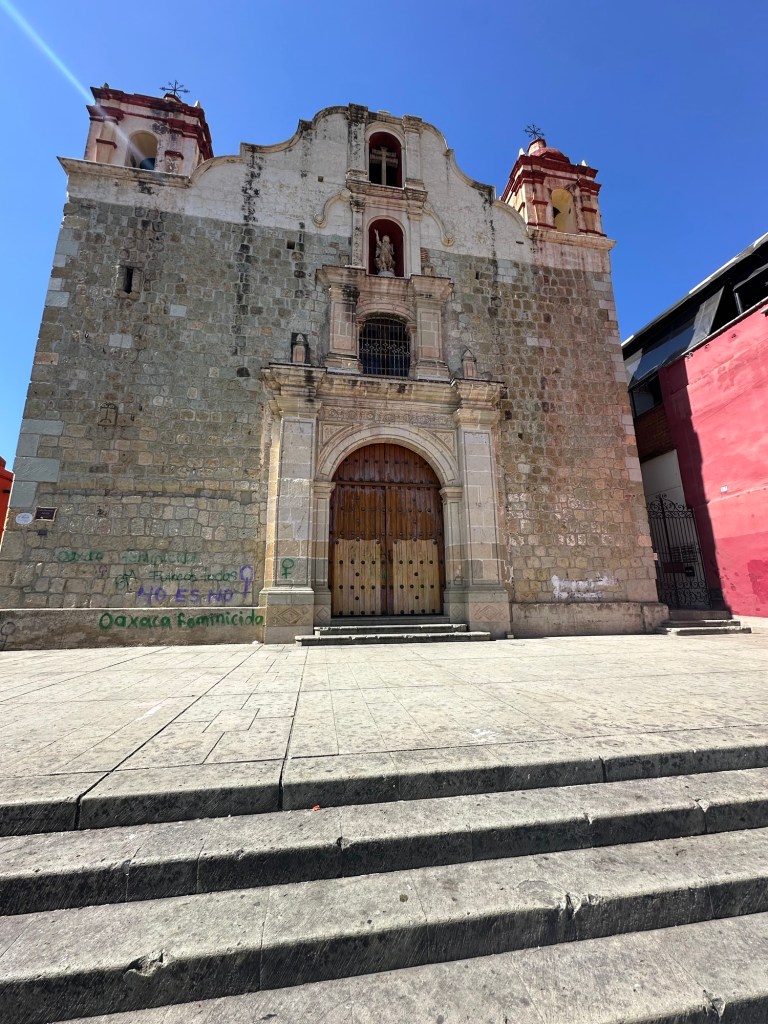
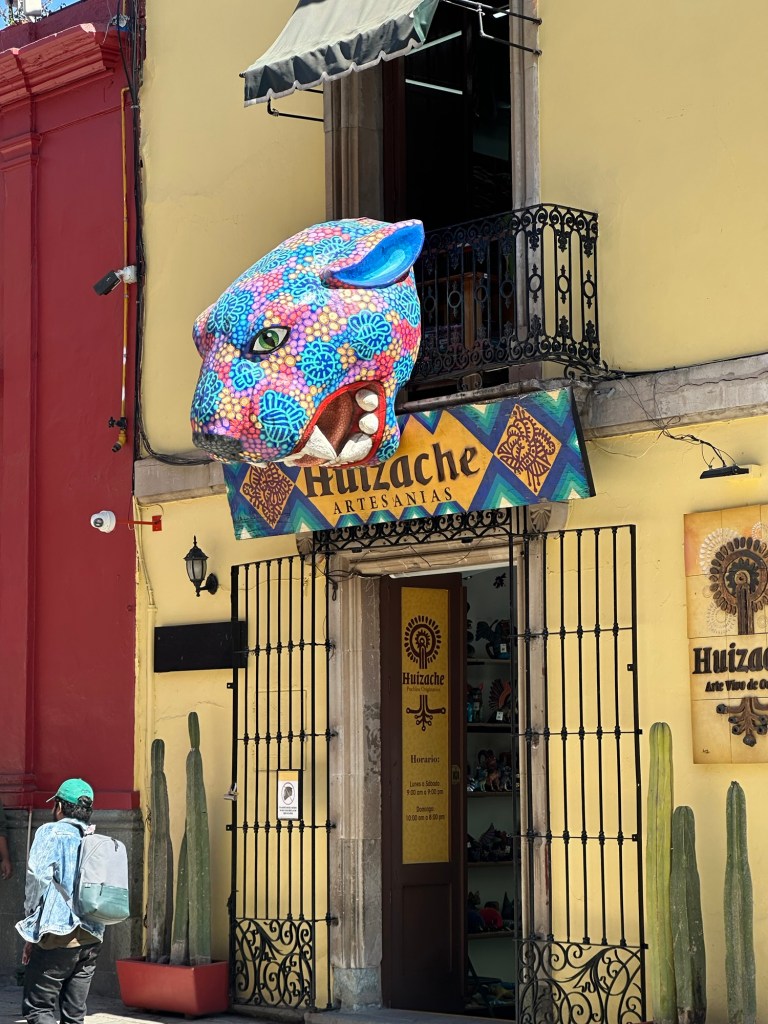
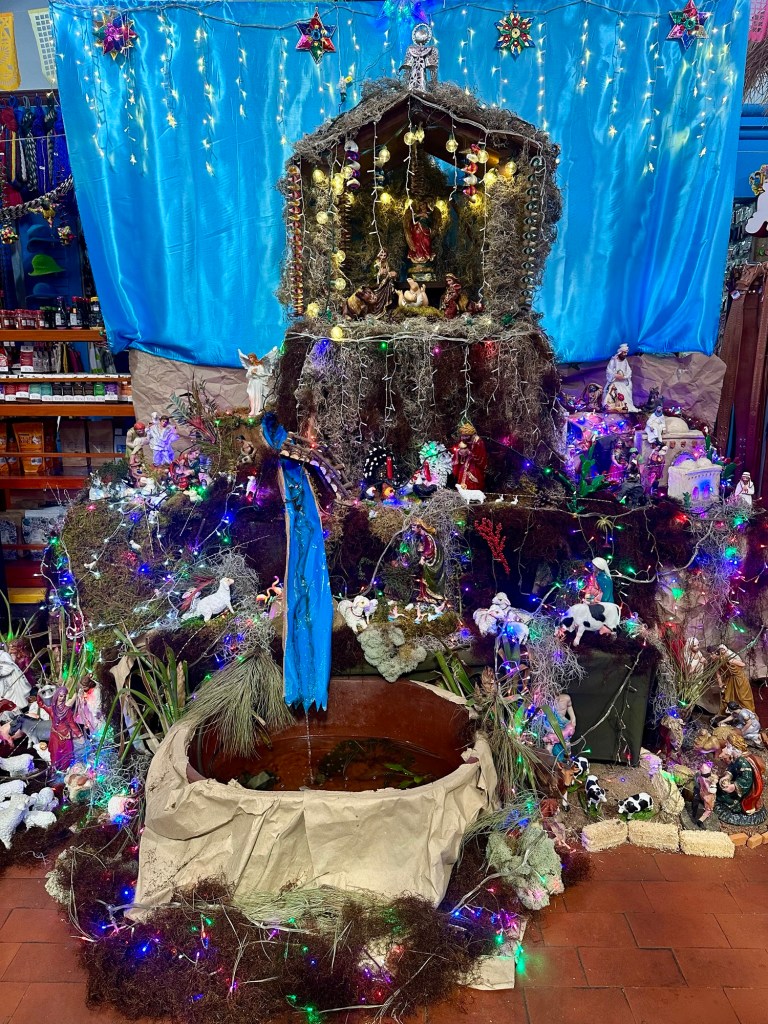
Long a centre of civilisation from the early days of Mesopotamia- American development, several groups called the region home. The Zapotec people were perhaps the most predominant and influential for much of the area’s history, but others including Aztecs and Mixtecs got a look in. The legacy of these groups is still present today with around a dozen indigenous languages still be spoken in the region/ state today. Alongside all of these languages, Oaxaca maintains a distinctive and proud cultural identity- and cuisine. And, like most of Mexico, has a strong overlay of adapted’ Catholicism. In one store we saw the ‘Xmas disco Oaxaca nativity’:
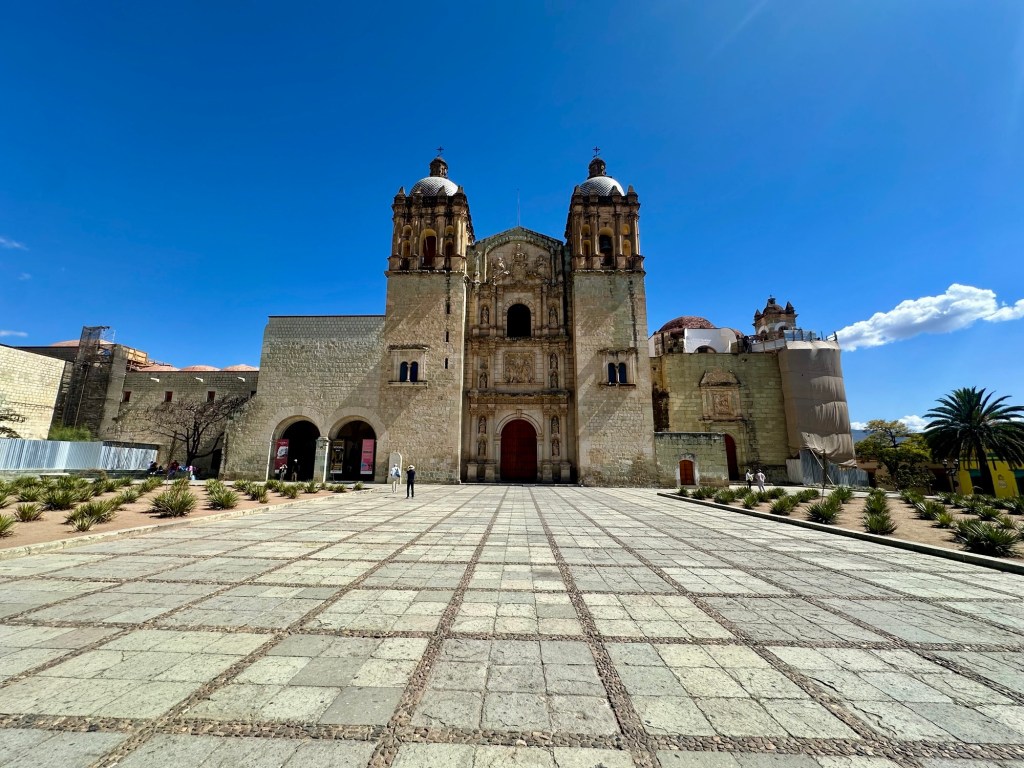
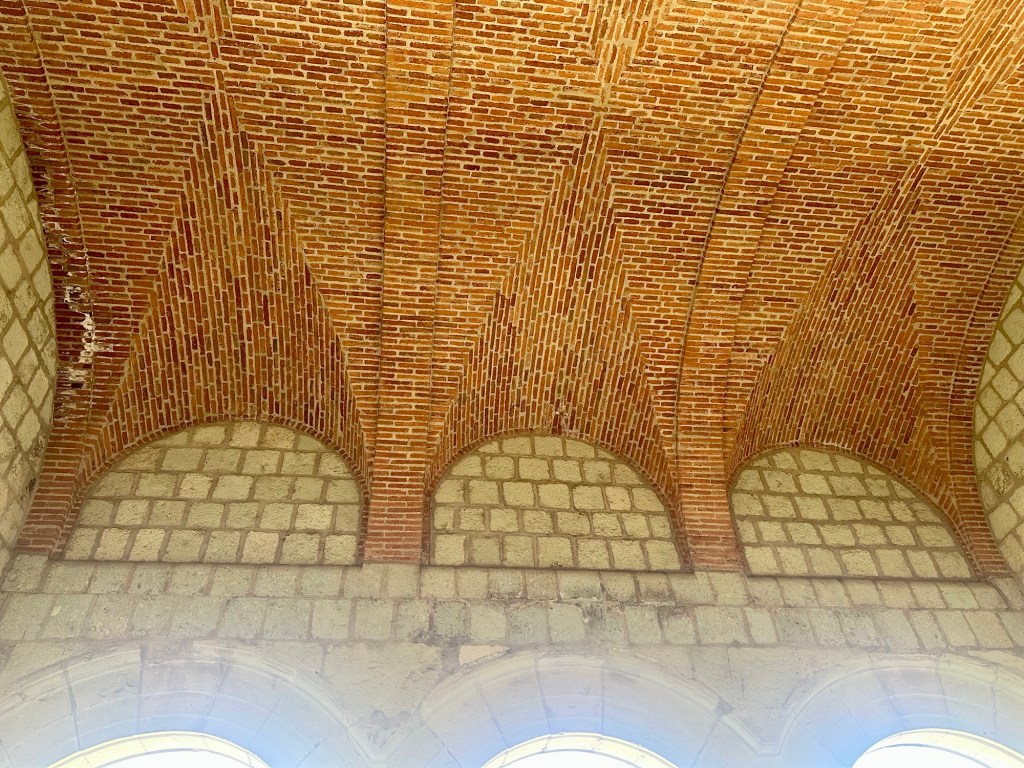
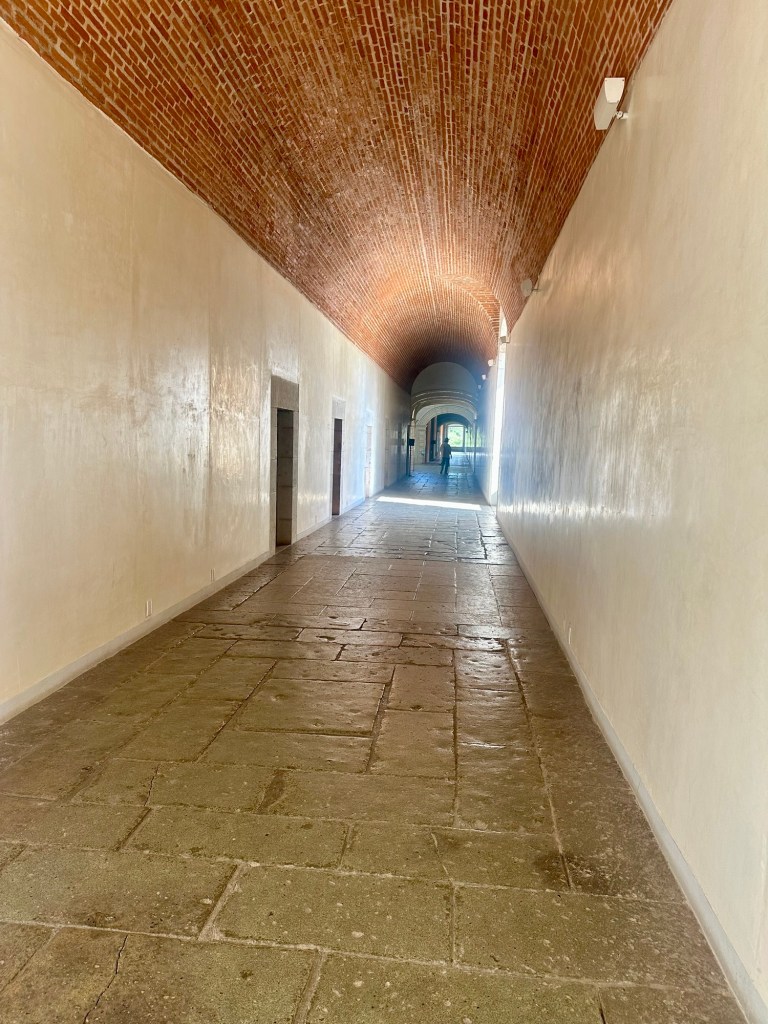
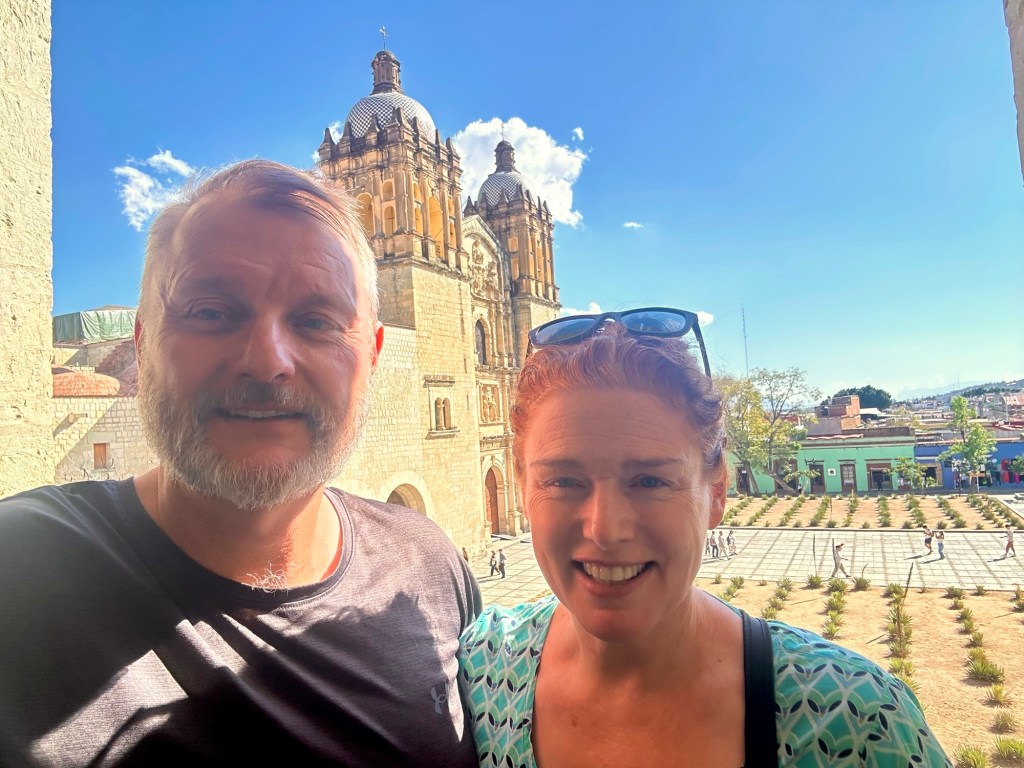
We spent Wednesday wandering around central Oaxaca, including time in yet another fabulous museum, the Museum of Cultures of Oaxaca, Santo Domingo.
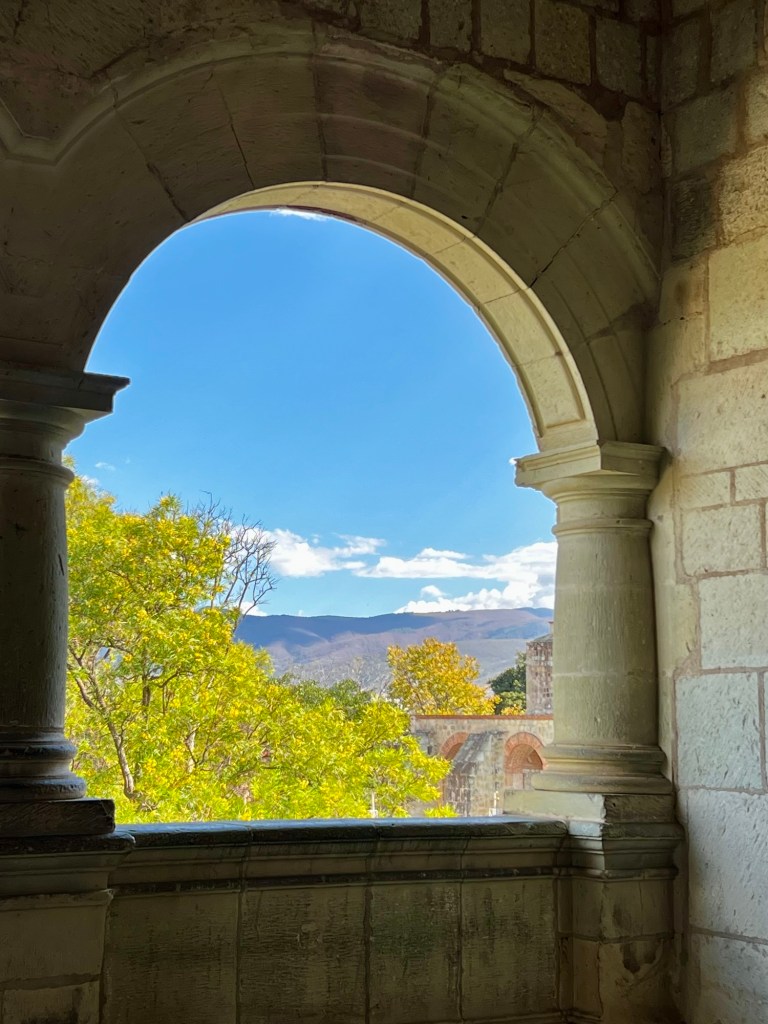
The Museum is located in an old ( large) Benedictine convent dating from the late 16th / early 17th centuries. In parts, especially looking out do e of the upper floor arches to the hills beyond in brought back memories of the Alhambra in Grenada.
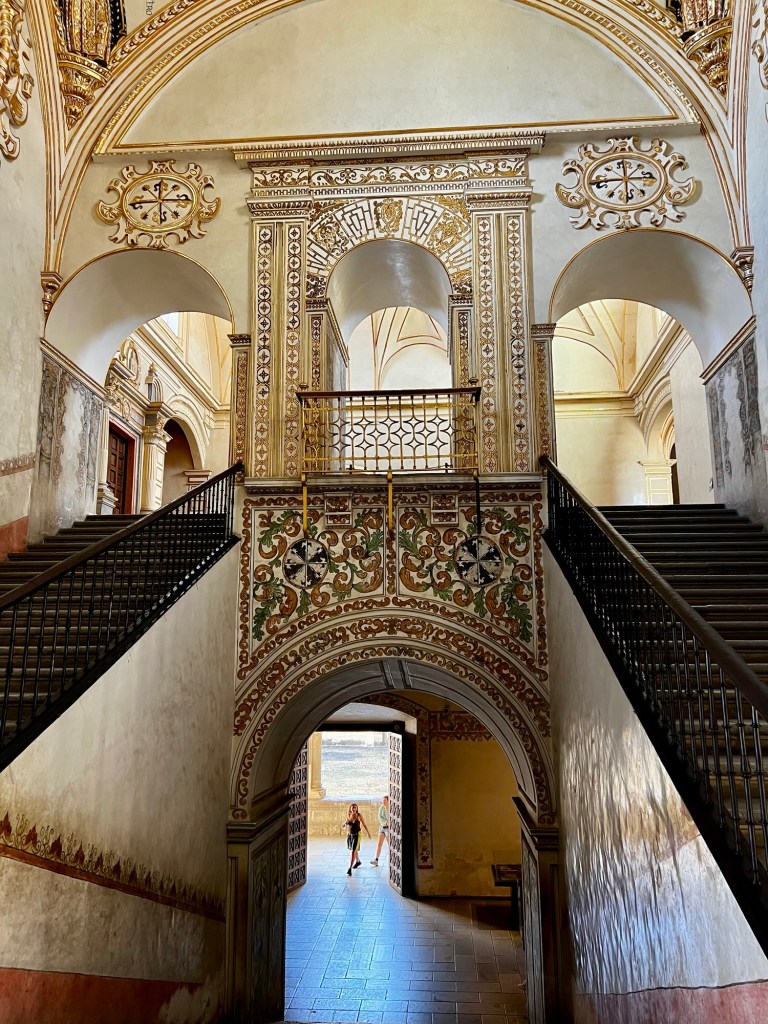

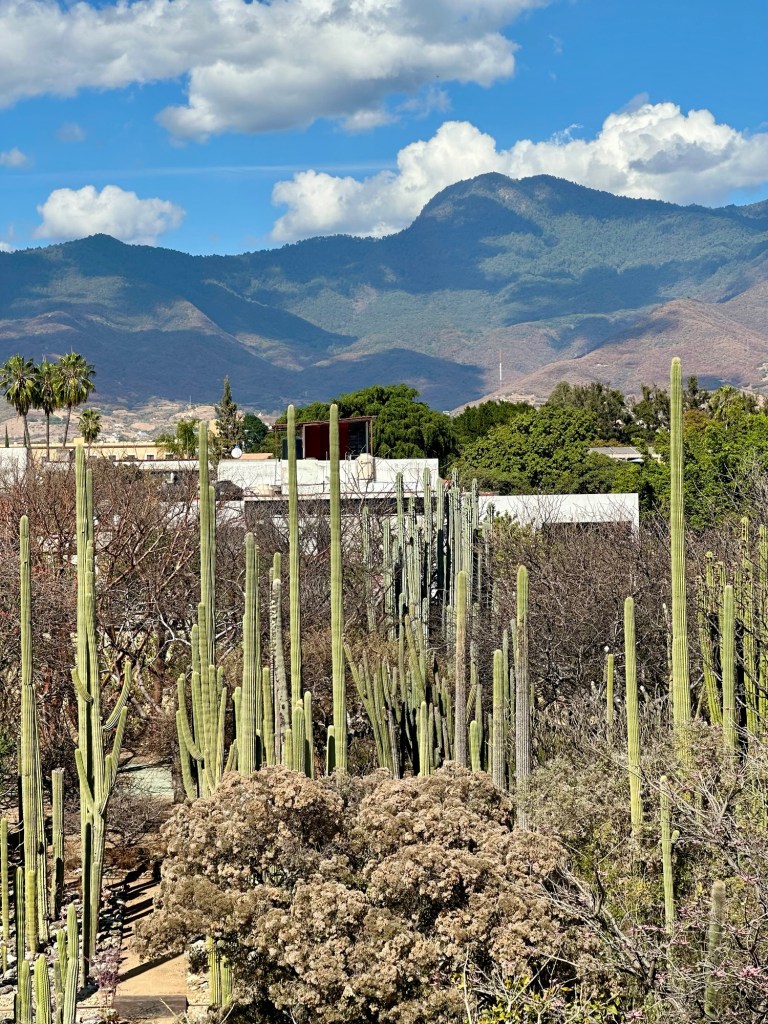
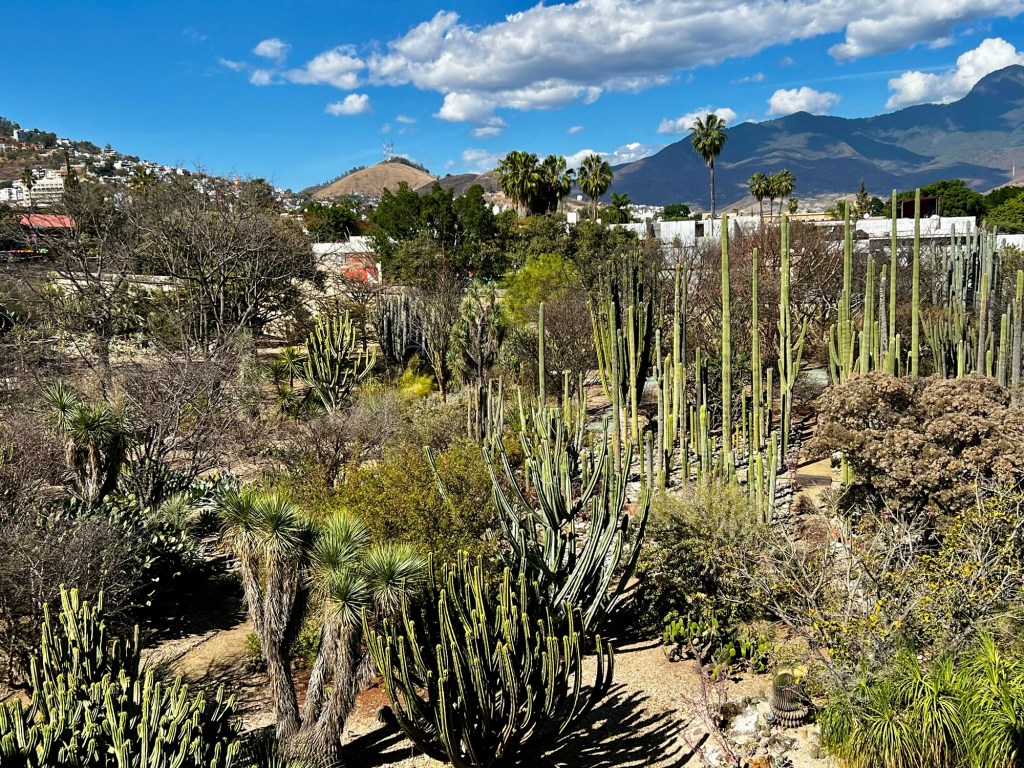
There was also a very cool cloistered garden with various cacti and other arid plants on the south side of the site:
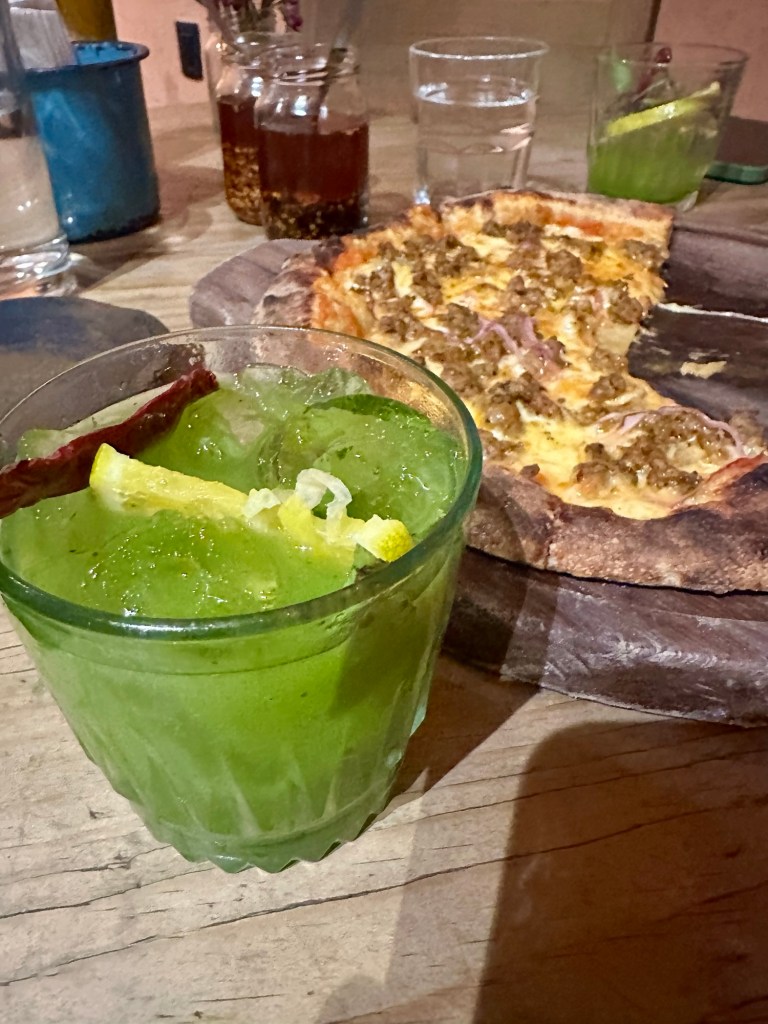
In a rare break from mole, enchiladas and beans we had an excellent pizza accompanied by a Mezcalita cocktail ( like a Margarita, but made with Mezcal) finished off with dried chilli, lime and blitzed coriander (aka known as cilantro here).
Tomorrow: more pyramids!

 Ness’ and Mark’s Wandering