Friday 2 January- Saturday 3 January 2026
After a night of soft soaking rain we woke up to a bright clear morning it just the odd bit of ‘cat’s hair’ rain drifting across the forest.
Friday morning saw a visit to the Monte Verde Institute, a charitable organisation that supports research into, and regeneration of, the cloud forest. It also hosts groups from various US colleges to support field work. Orlando gave us a great talk about cloud forests and their work, using the case of the three – wattled bellbird as an example. File photo of this extraordinary bird follows ( we didn’t see any – they live high up in the forest canopy and are very hard to spot).
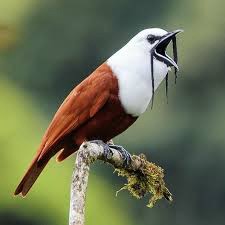
The males select a ‘bald’ perch in the forest and put on a display to attract the females. It’s quite a thing to see ( they carry on like chicken dinners). After mating that’s there responsibility for the species done and they look for another partner, leaving the female bird to attend to all that tiring stuff like nest building, sitting on eggs(s) and raising young. Unlike Australian bell birds these ones have a truly rough sounding call. Loud, but not really melodious.
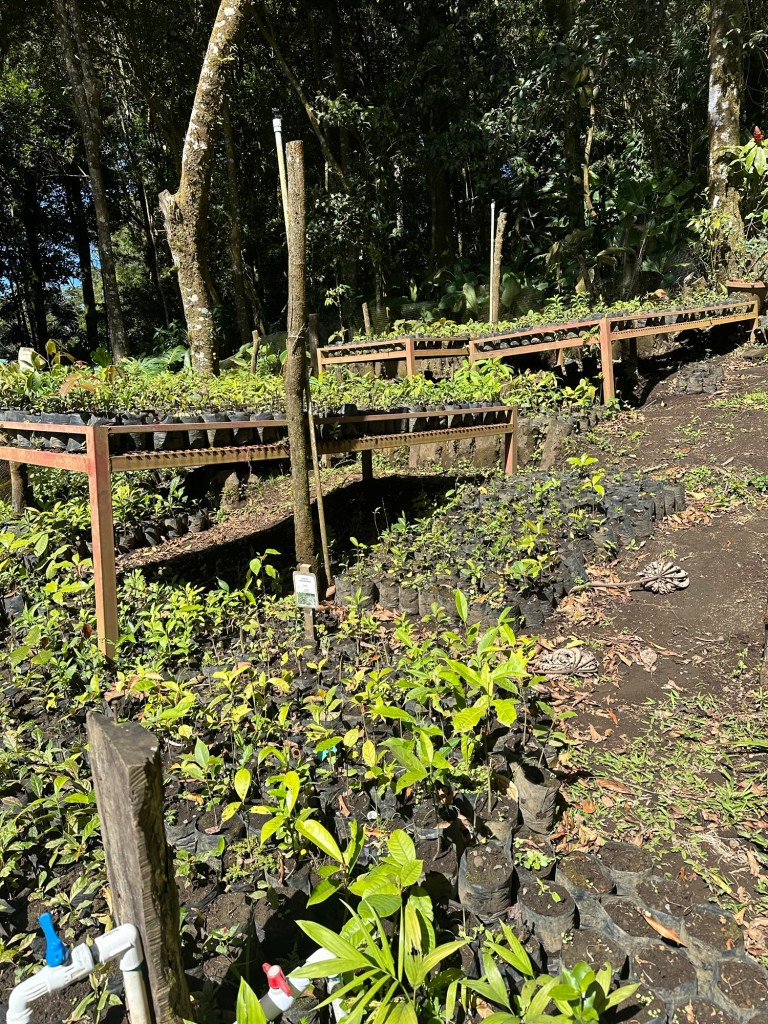
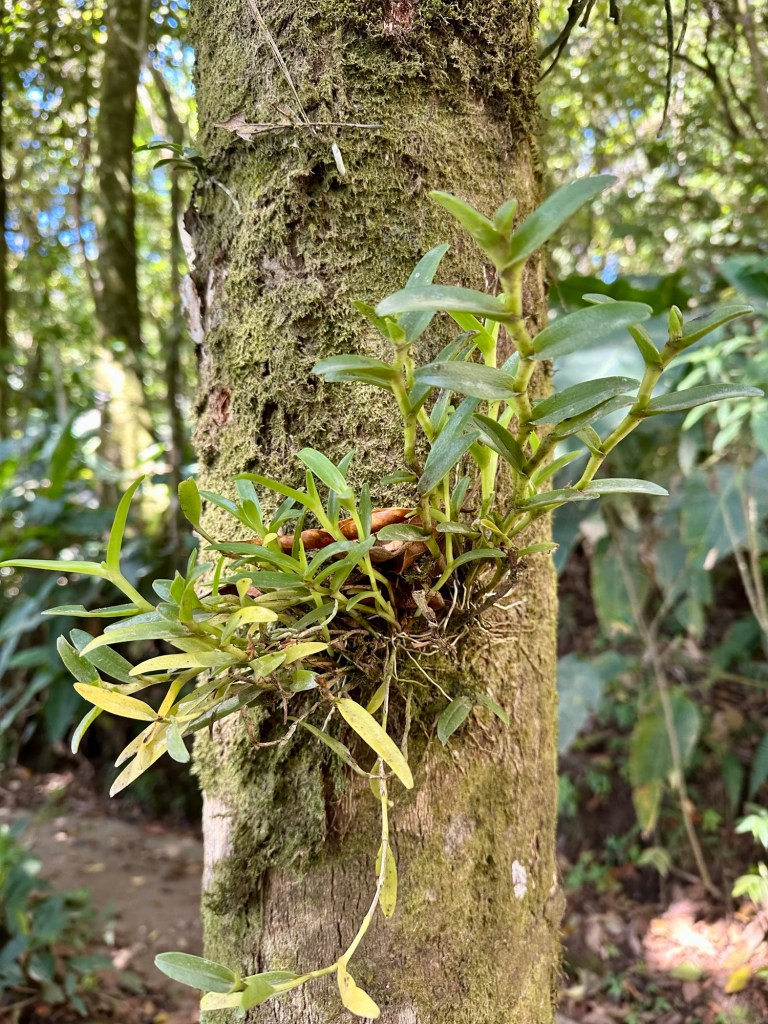
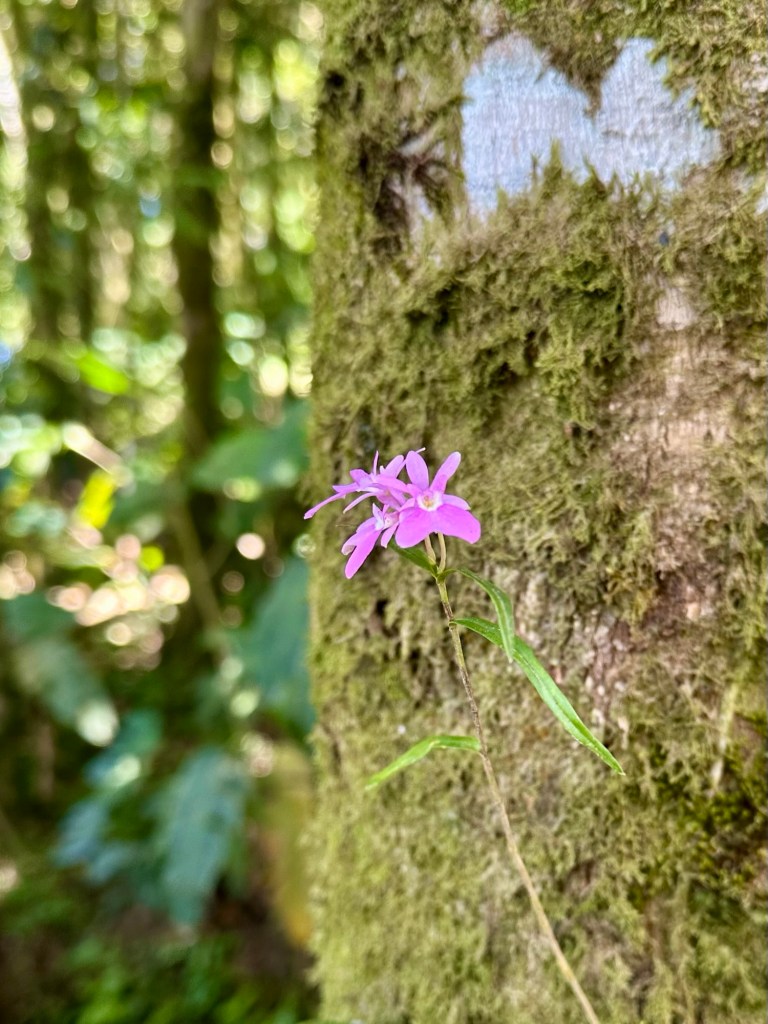
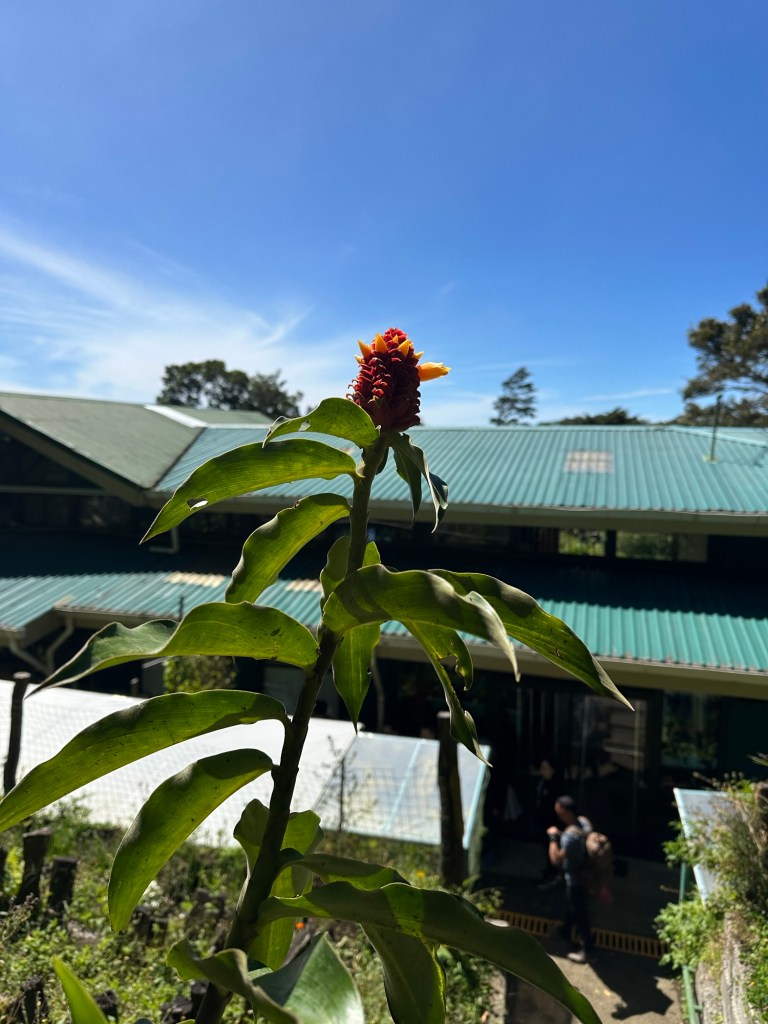
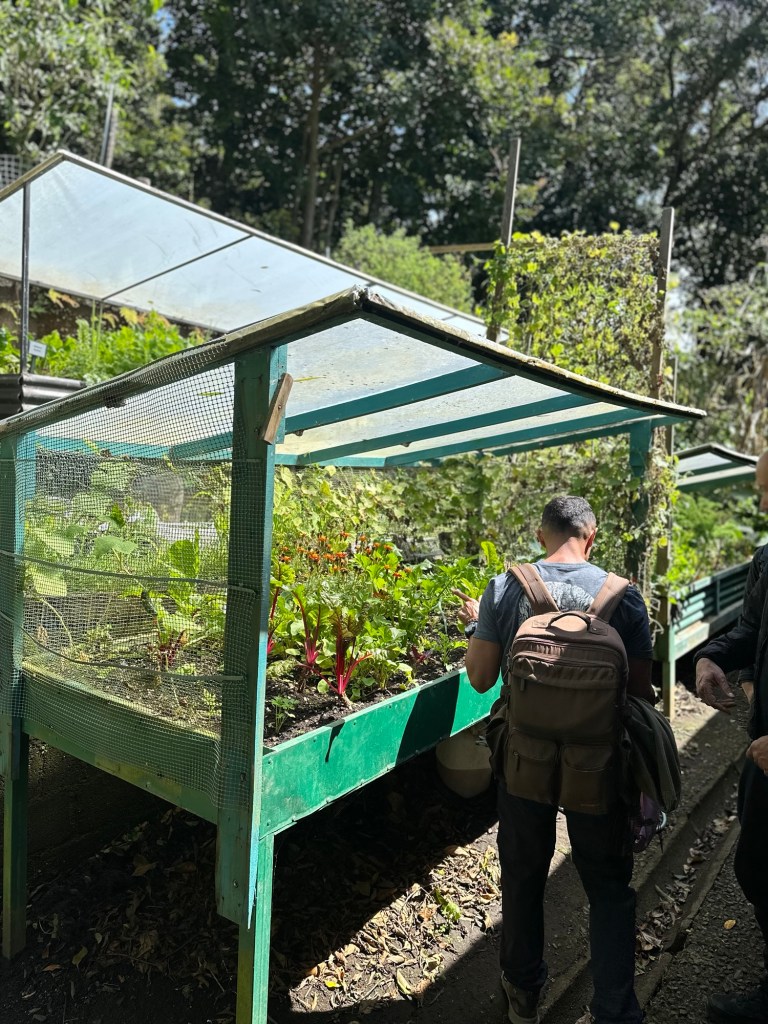
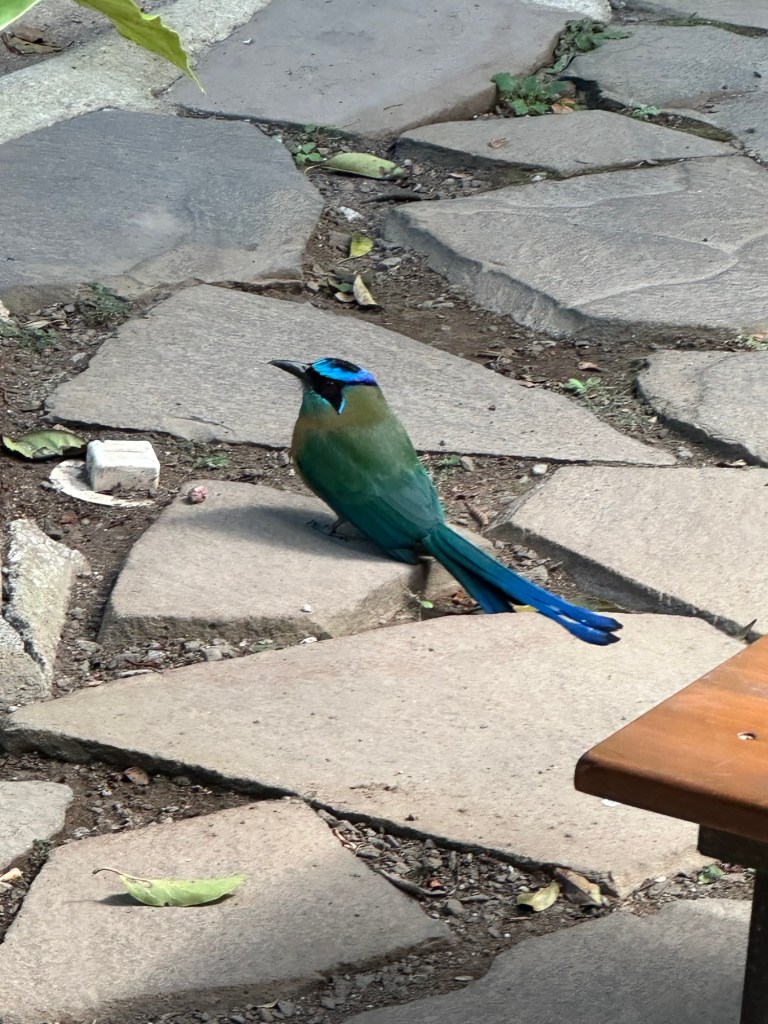
After our talk we ‘volunteered’ to assist in the work of the Institute with the regeneration of the forest. In our cases this consisted of packing soil ( with a certain technique) into sheaths for the propagation of rainforest plants from seeds collected by the Institute. This was followed by an amazingly good lunch prepared from food grown on site by the Institute.
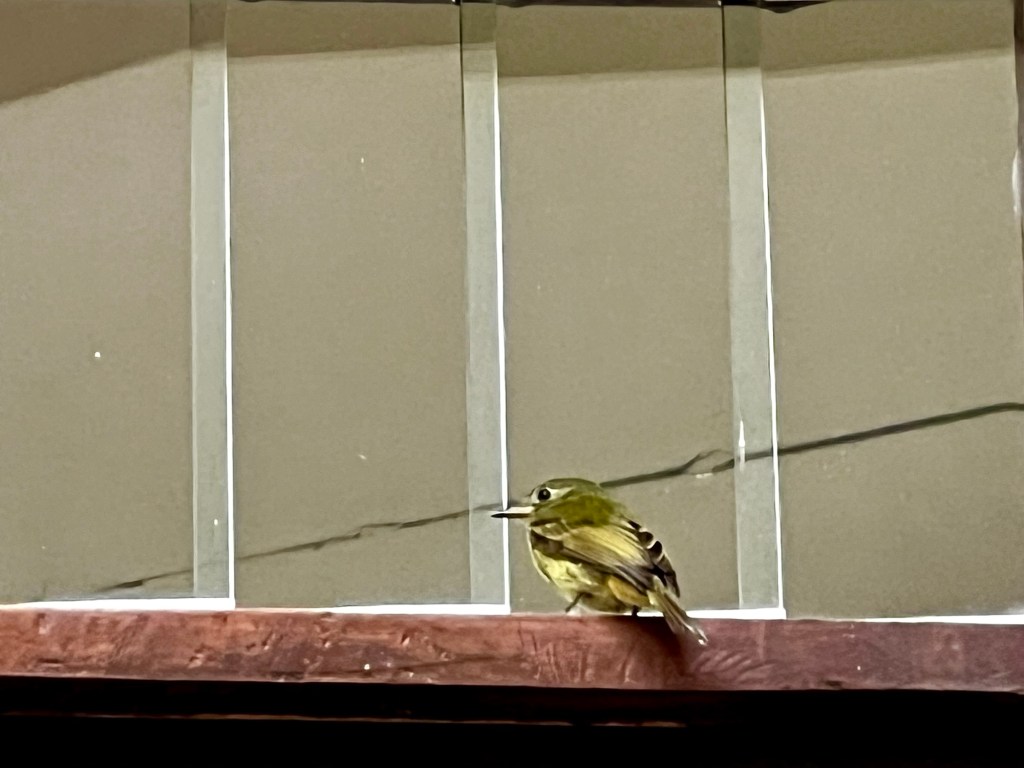
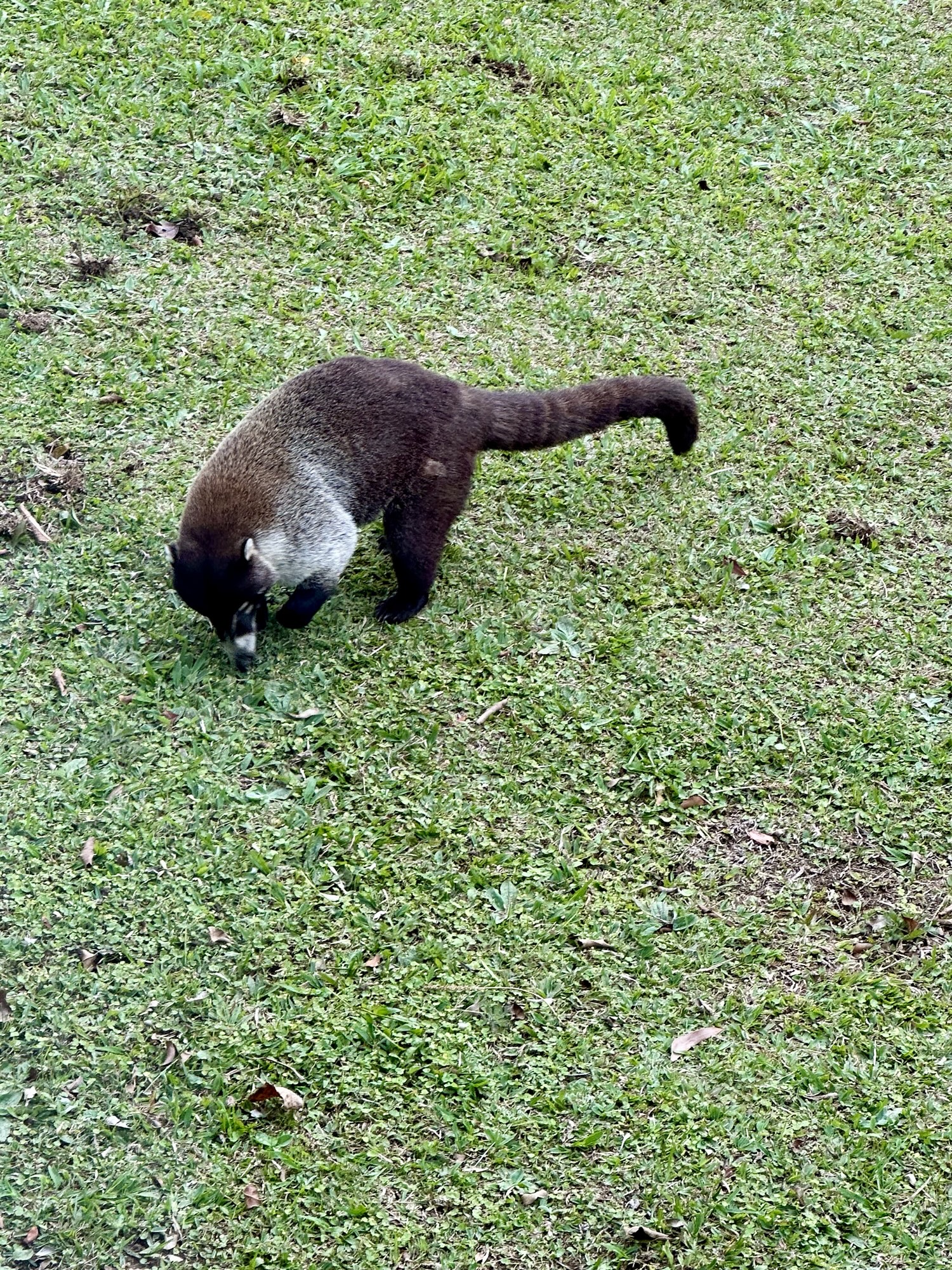
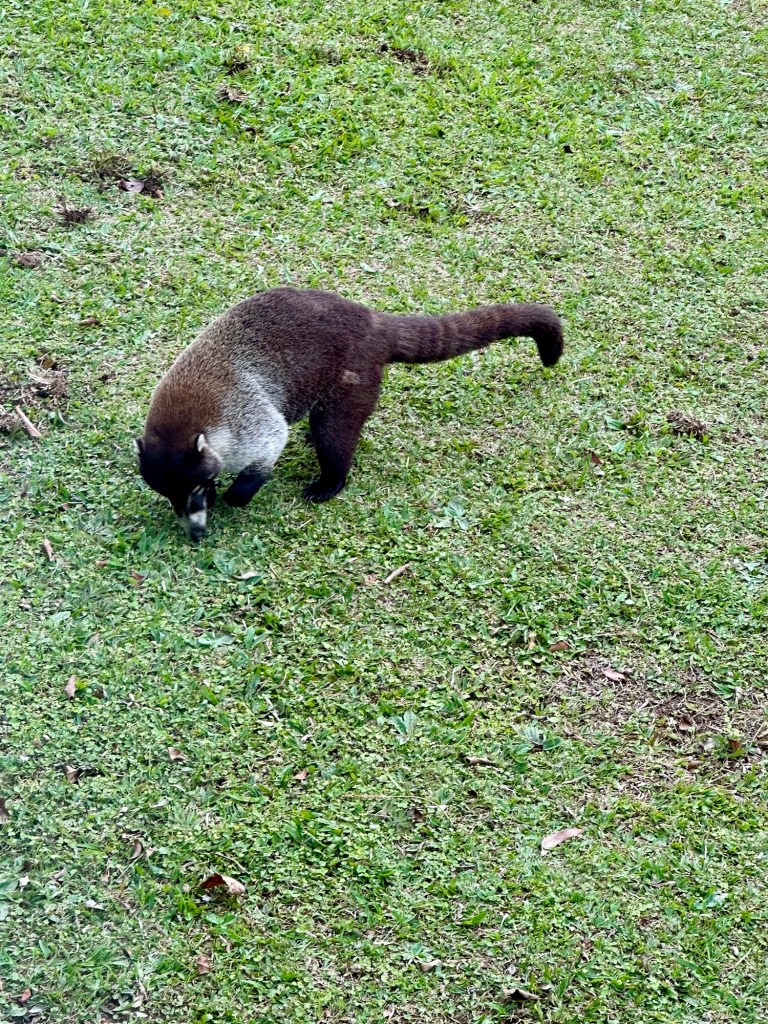
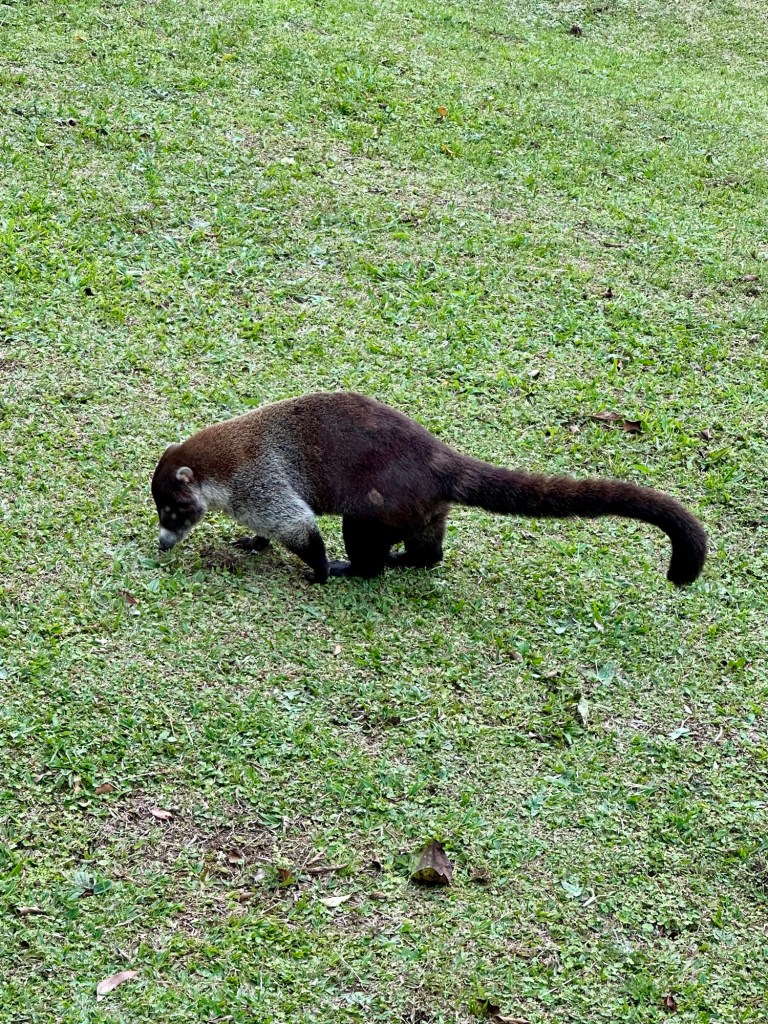
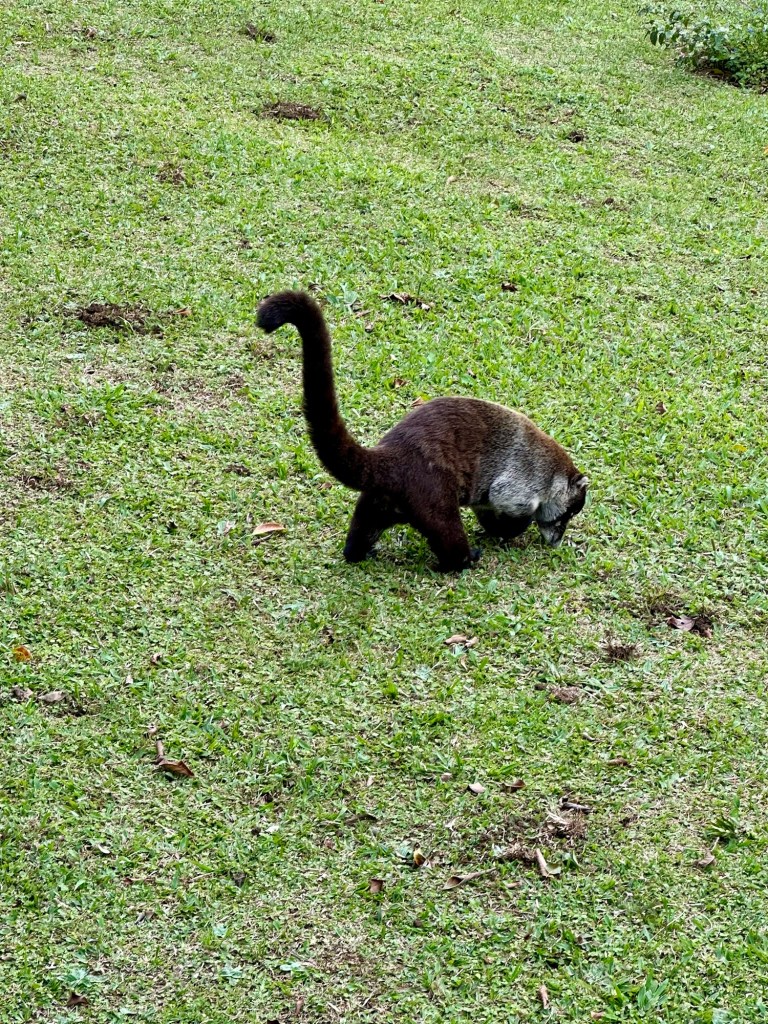
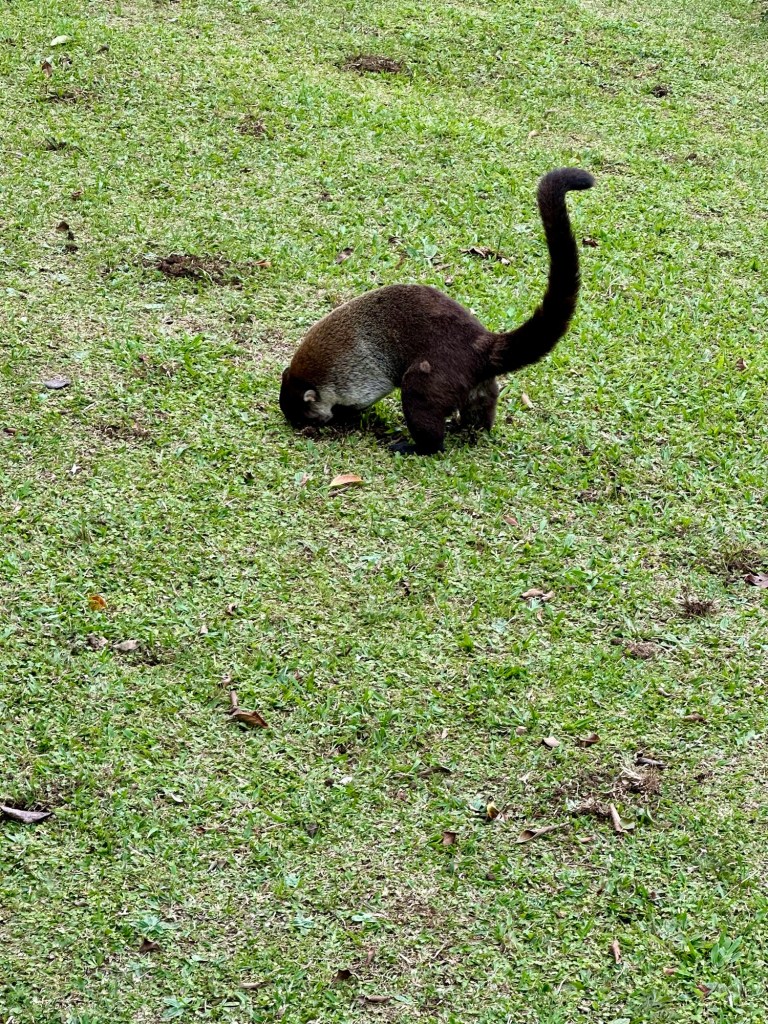
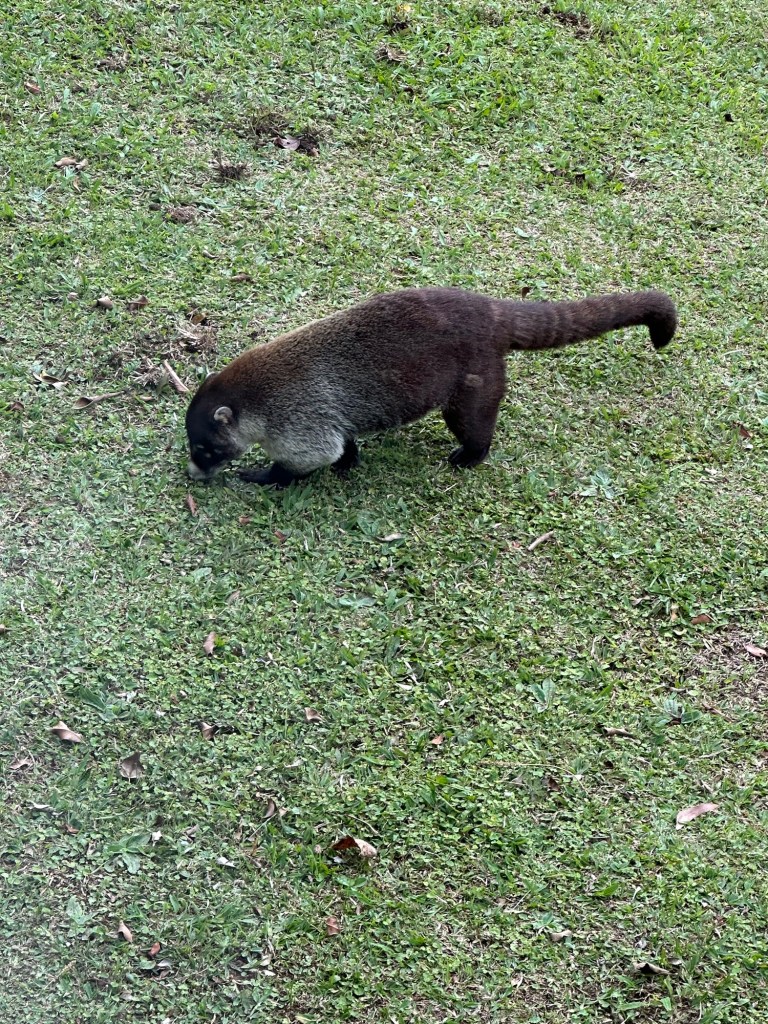
We went back to our hotel for the afternoon before going on a guided night walk in the Cloud Forest. A highlight of the afternoon was watching a Coati going about it’s business on the lawn outside our room:
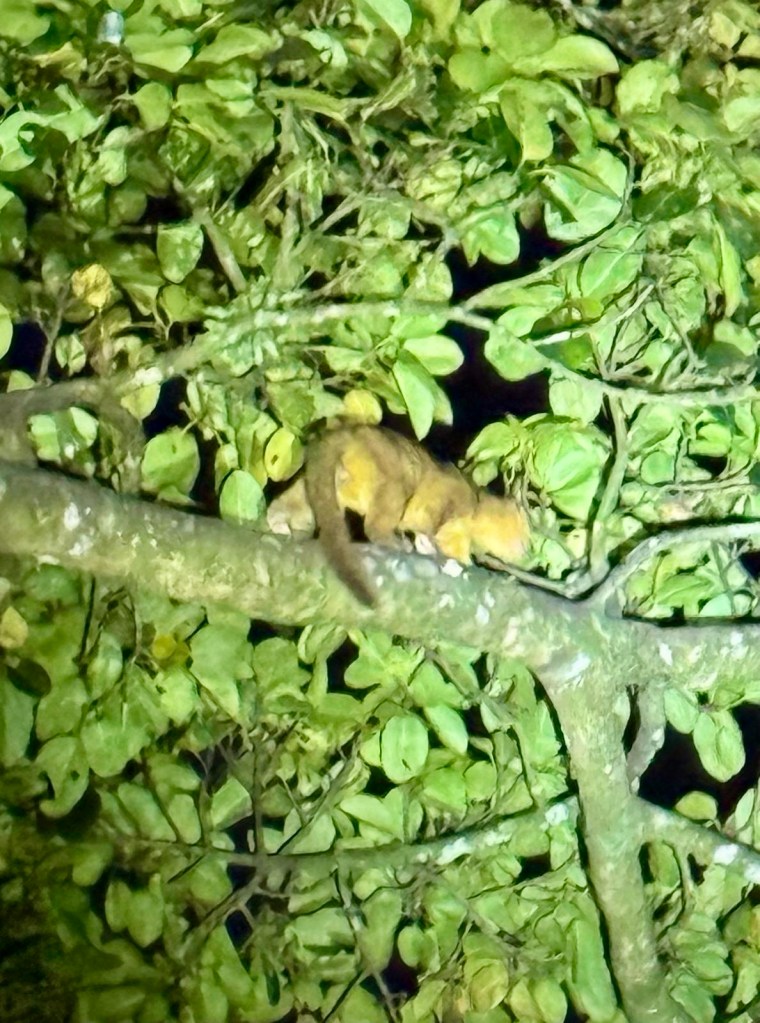
The rain held off for the night walk – and a lovely new full moon was illuminating bits of the night where the forest wasn’t giving 100% canopy cover. The walk went for two hours- it kicked off with a spotting of a Kinkajous, one of Costa Rica’s most seen nocturnal animals, a member of the cat family, it also bears a slight resemblance to a Australia’s ring tail possum when seen from a distance.
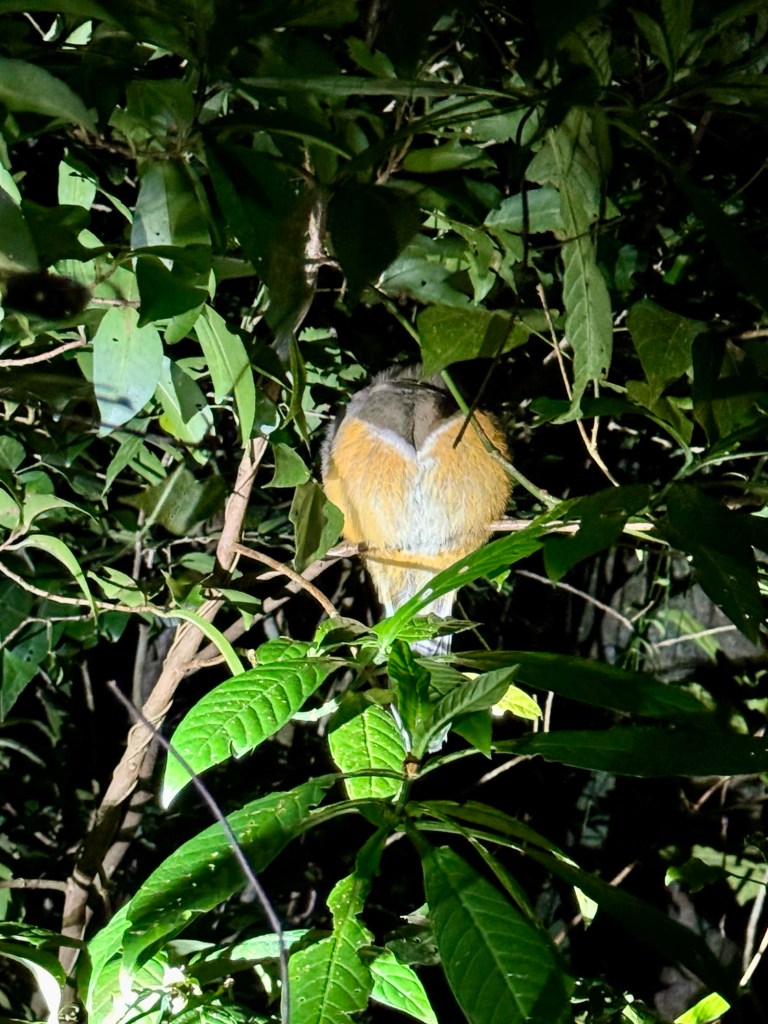
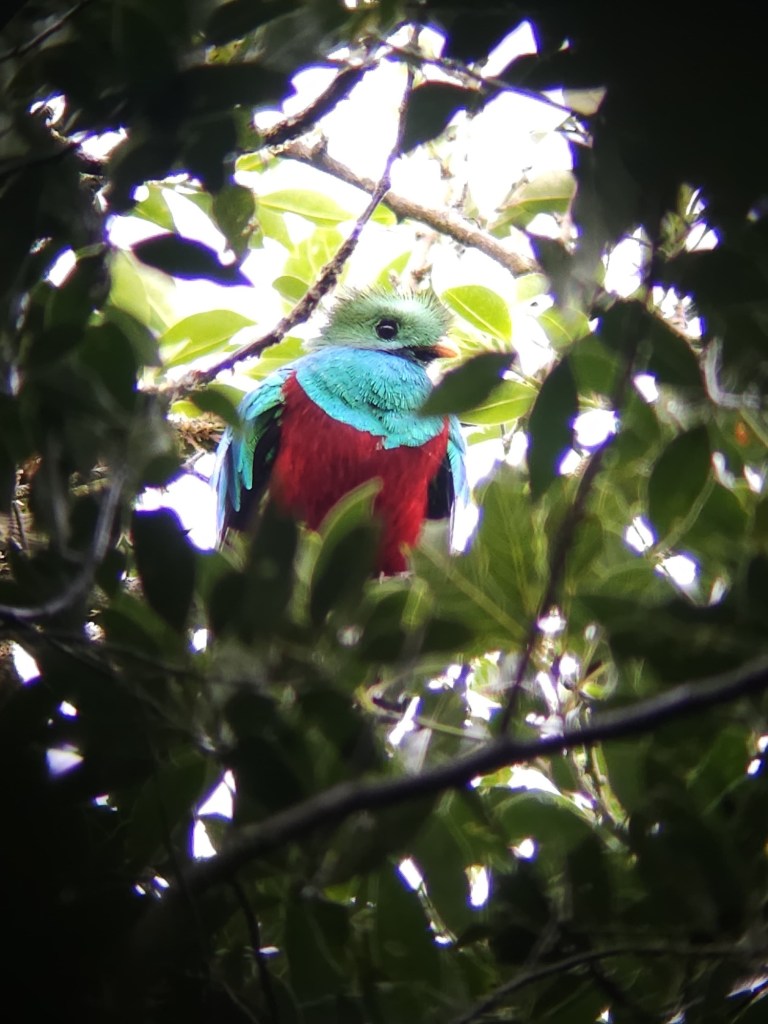
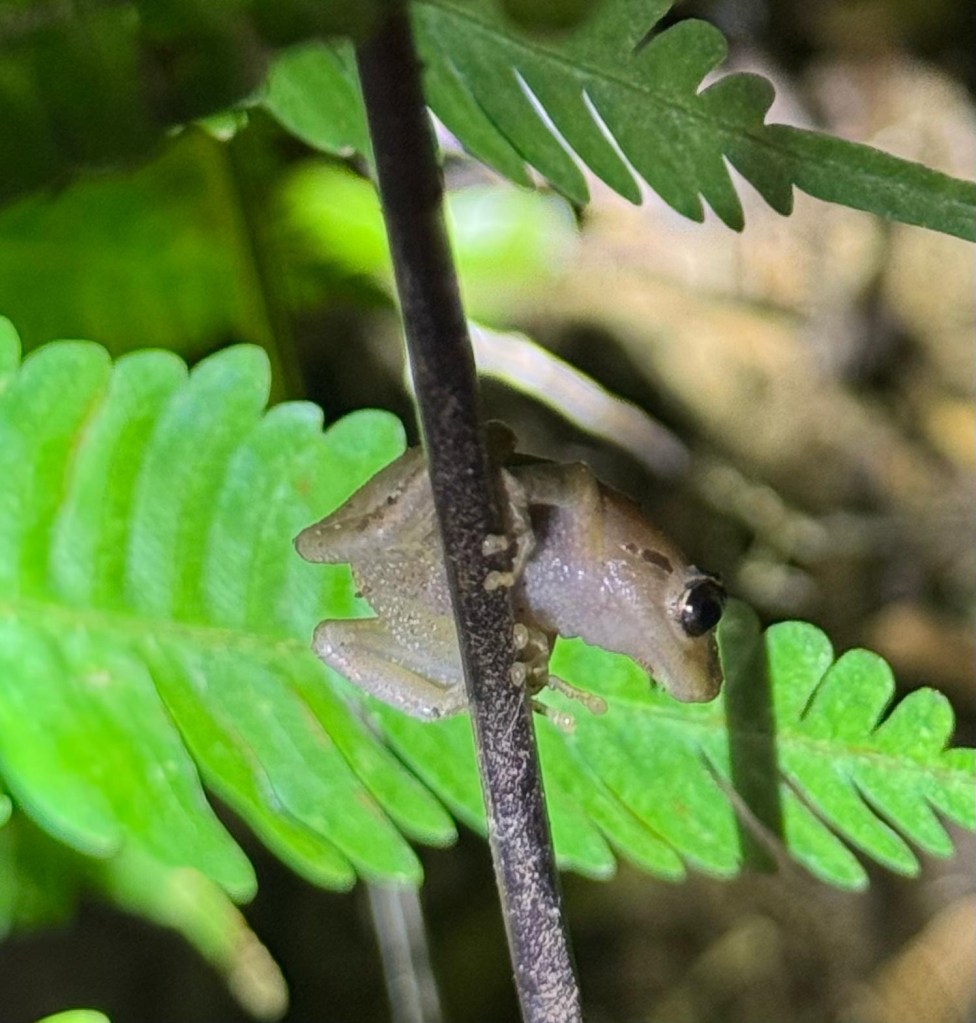
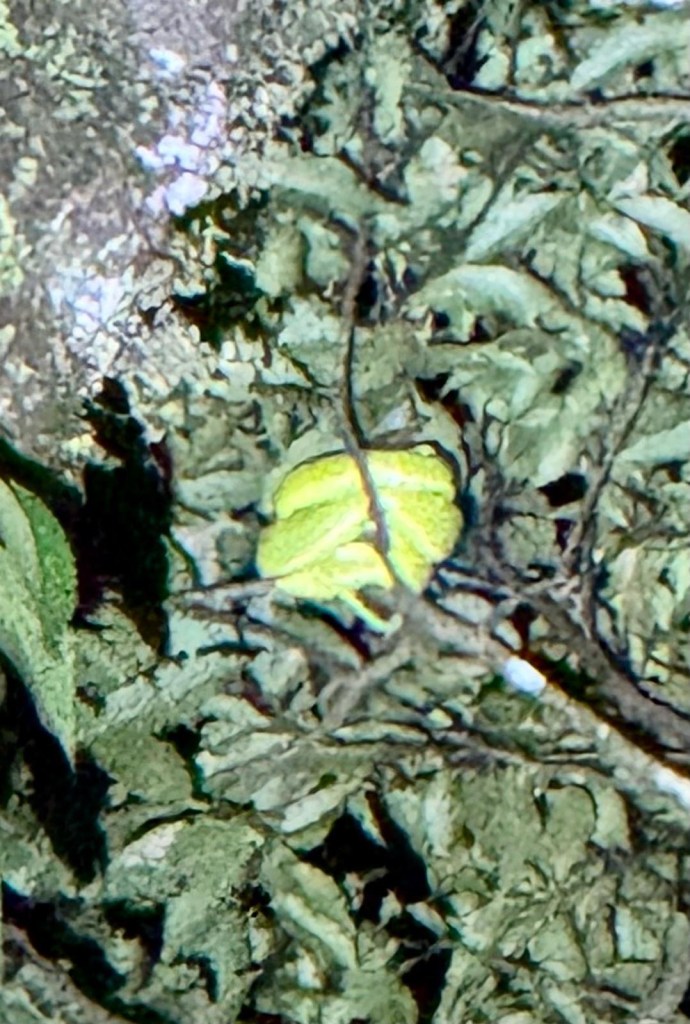
Other things we saw on the night walk:
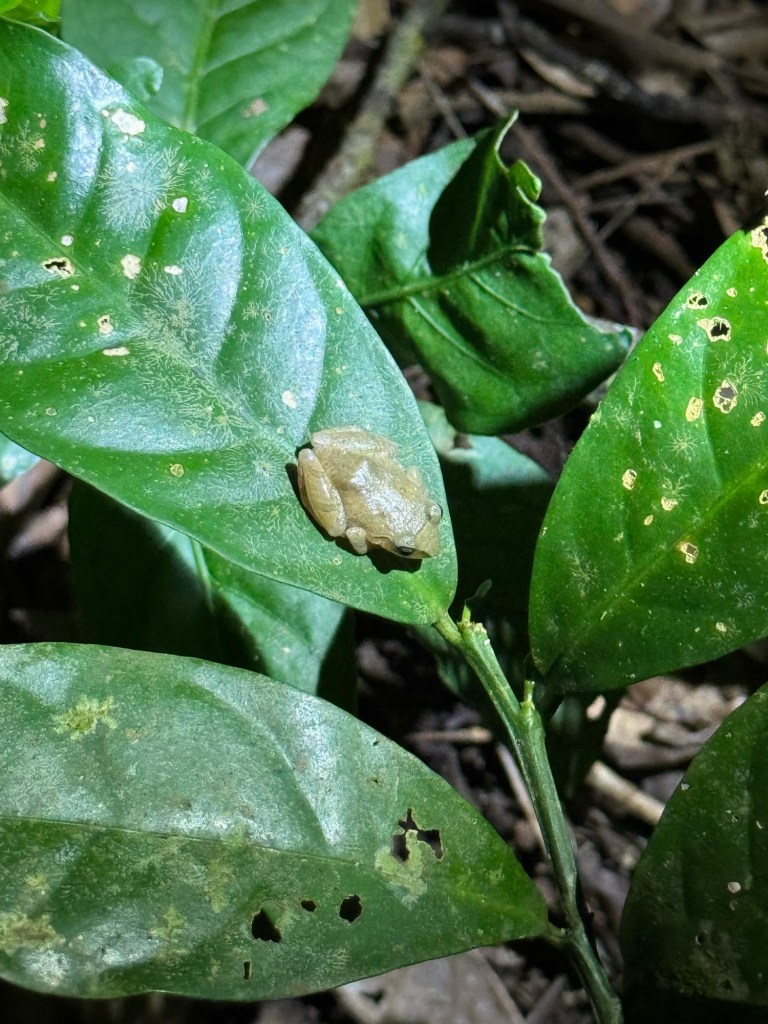
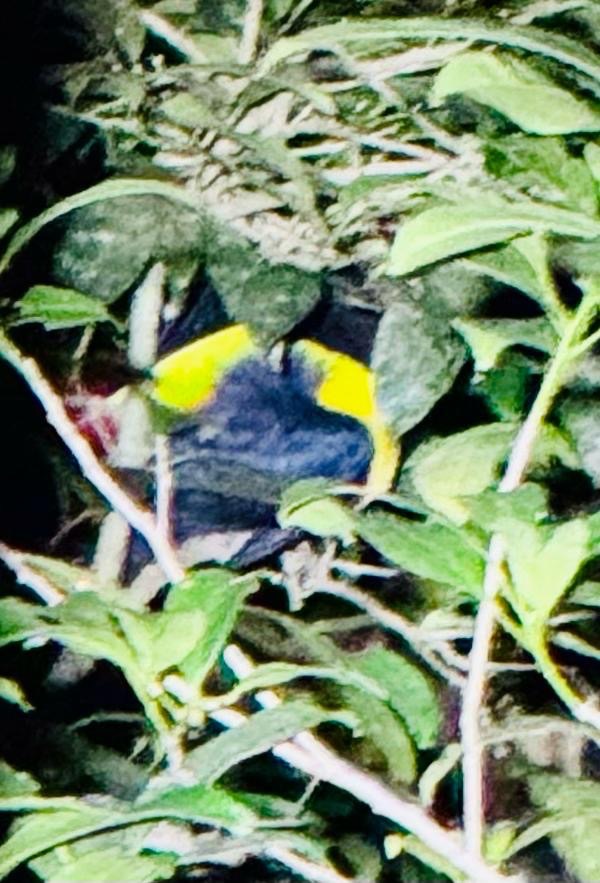
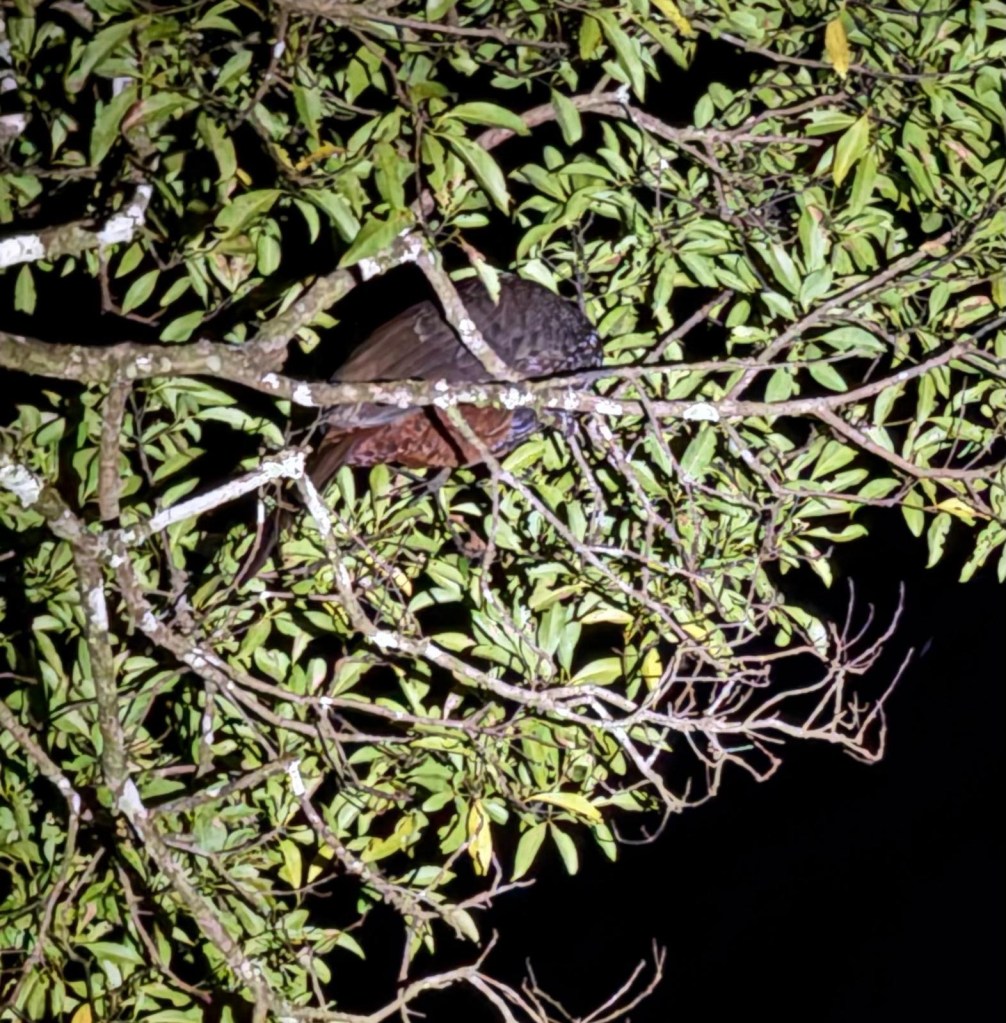
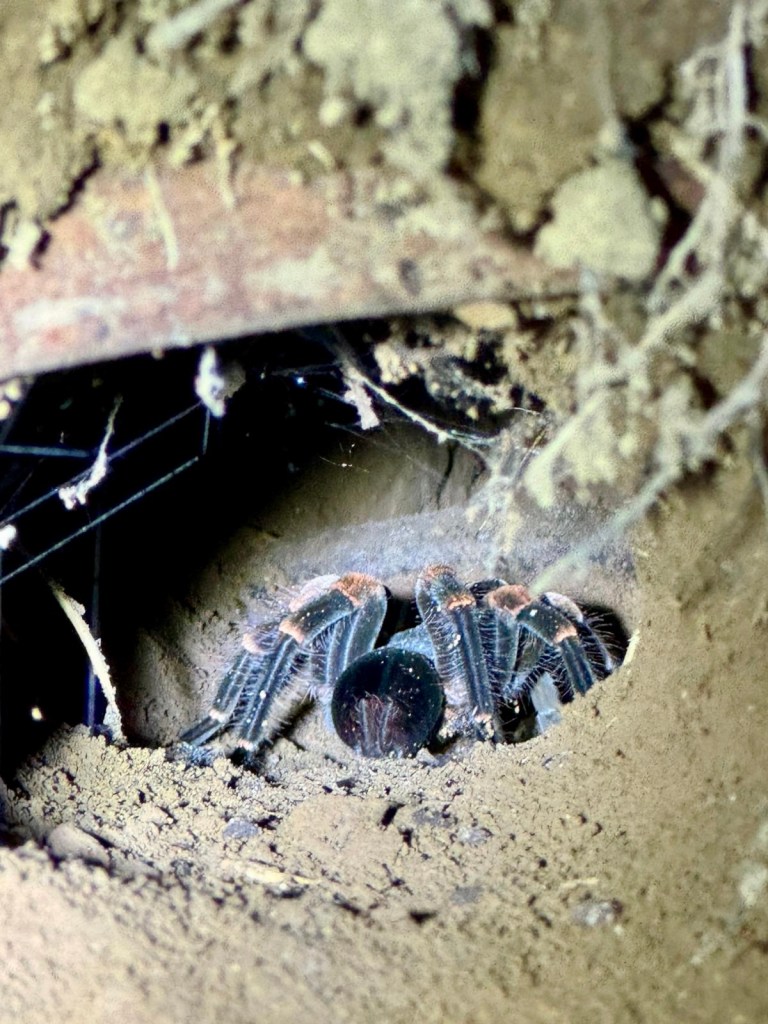
The next day we were up bright and early for the trip over the continental divide and down to the Pacific side of the country and south to Quepos and Manuel Antonio. The Pacific side of the divide is much drier than the Caribbean side and it really showed quite quickly. There were some god views as we headed down the range:
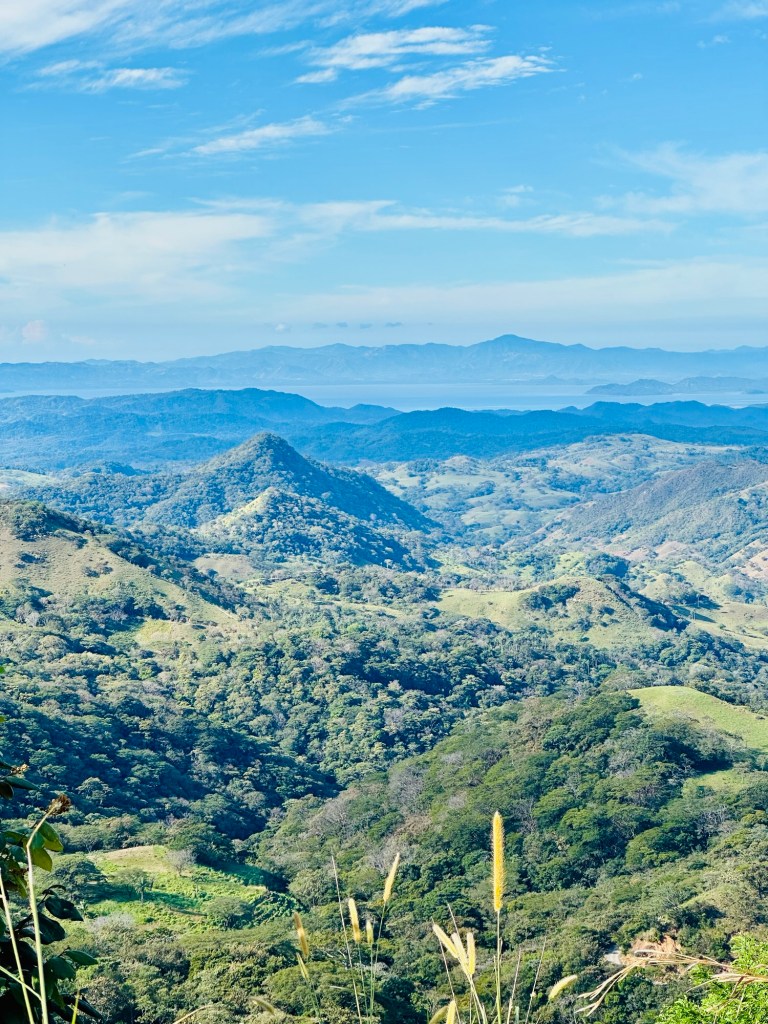
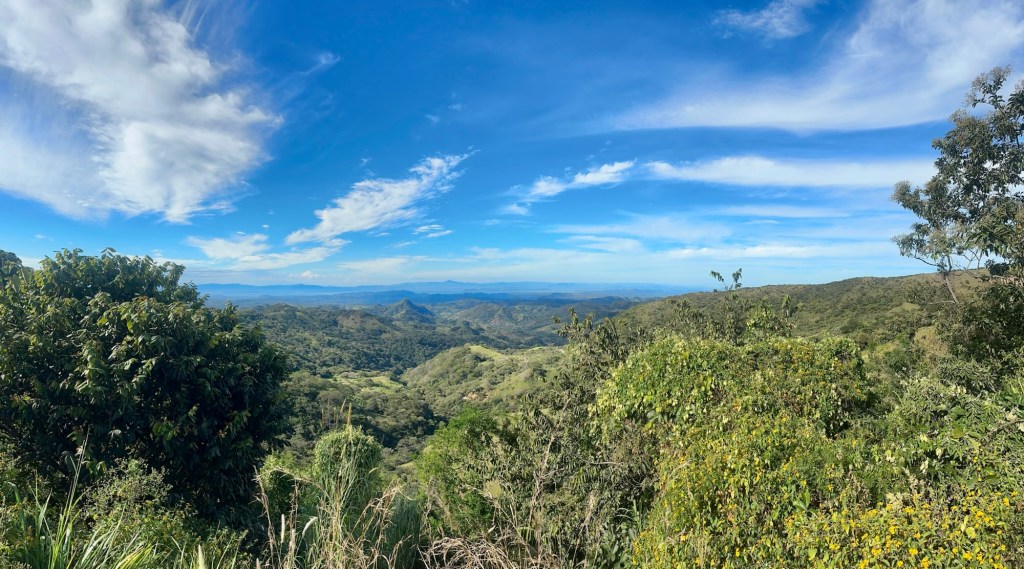
There was a lot of traffic on the coast road as it’s a very popular area for folks from San Jose to hit the coast and it was the weekend.
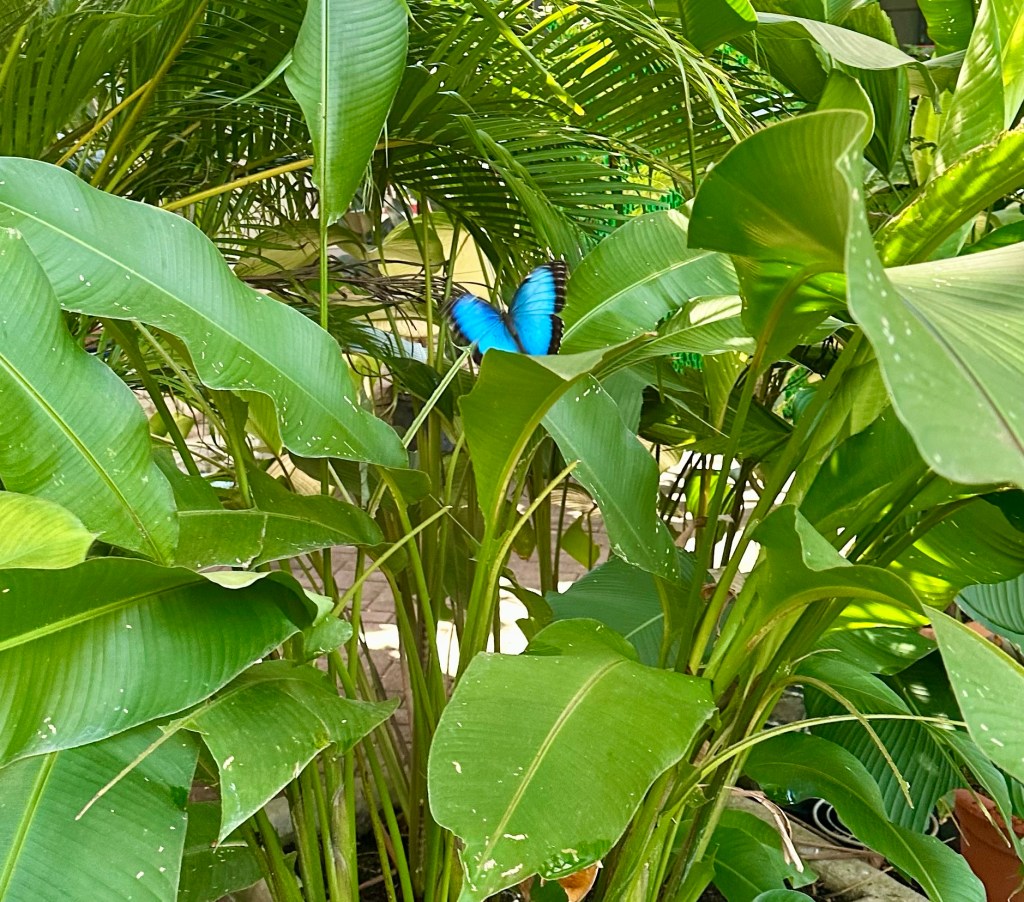
Along the way we saw some amazing butterflies in a butterfly house at a truck stop of all places ( very hard to photograph as they don’t sit still).
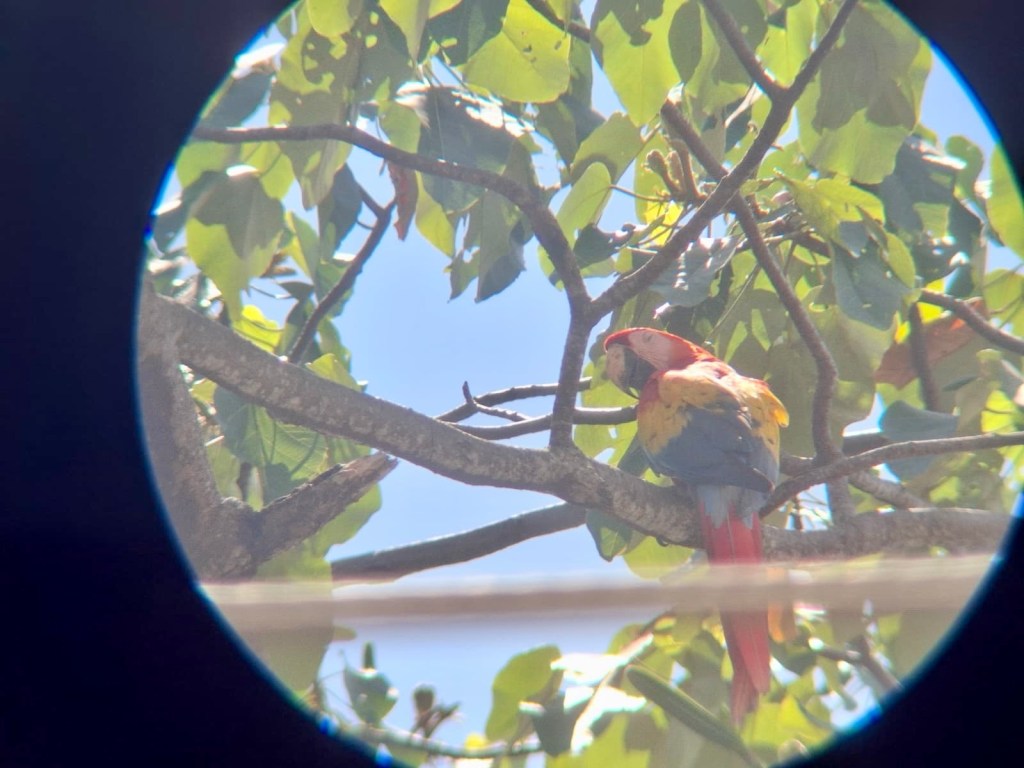
We also saw a group of Scarlet McCaws along the road side and we able to photograph one through Cesar’s telescope:
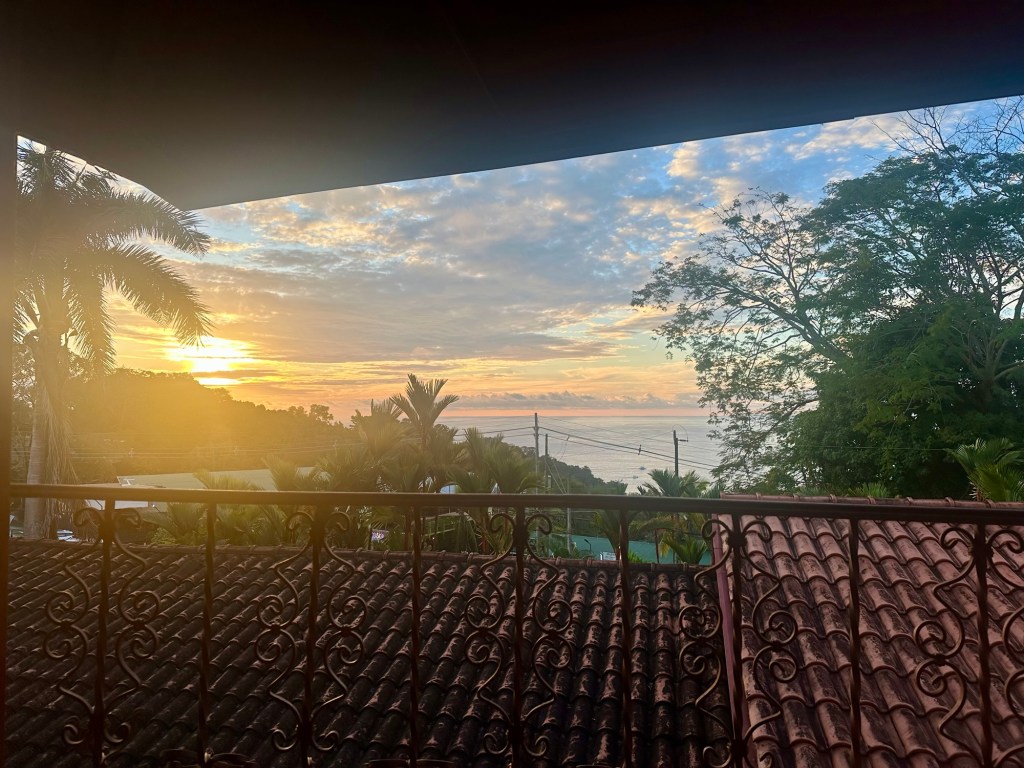
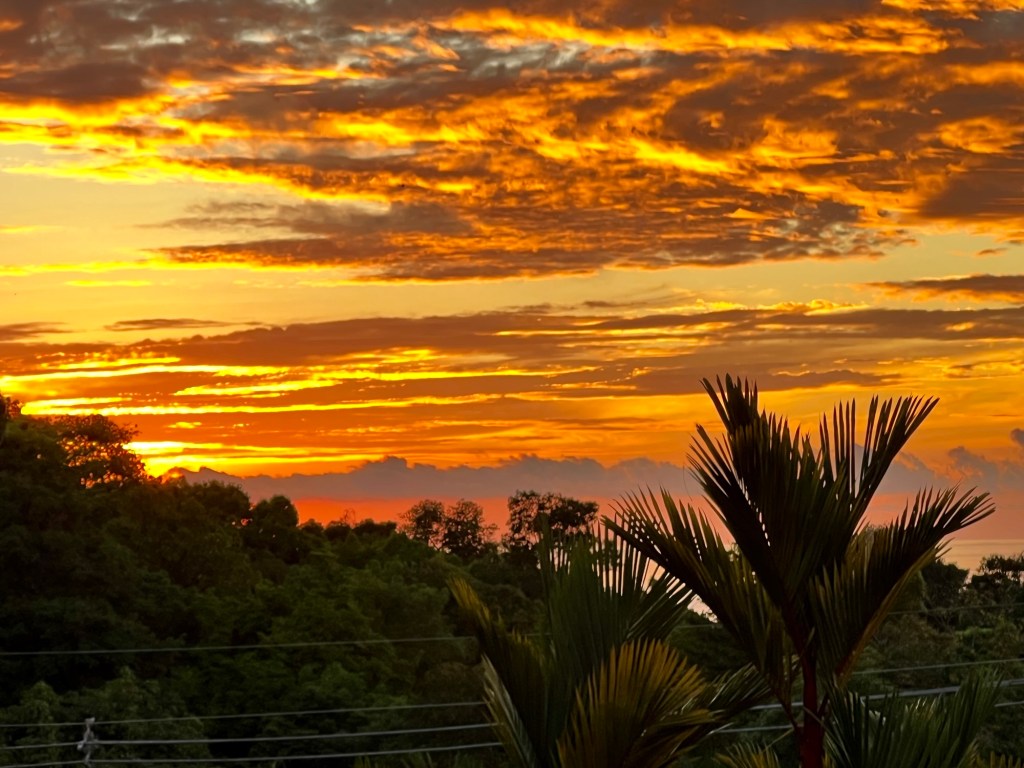
Manuel Antonio is a popular sea side location with Costa Ricans, set along precipitous hills along the coast. We enjoyed a sunset G&T on our room’s balcony prior to dinner at a local seafood restaurant.

 Ness’ and Mark’s Wandering