We were up early on Wednesday for a final drive in the Central Serengeti before heading west. In the dark Mark inadvertently packed the camera battery charging cable but left the battery charging unit behind… something not discovered until the next day…
The Western Corridor of the Serengeti is known for the start of the mass migration of Wildebeest. It starts in June-ish and they head north and east to the Northern and Central Serengeti, chasing fresh pastures.
The migration was in full swing. It’s actually hard to take in when you see it – and even harder to make sense of it with shots from a camera. Literally millions of animals, all heading in the same direction, spread over hundreds of square kilometres.

There were columns of wildebeest moving in orderly lines. There were also ‘blobs’ of of Wildebeest in small ‘harems’ that a male Wildebeest had managed to put together for a small period of time. This leads to much ‘defence’ of the harem by the male as they chase any other random male who comes near – often resulting in head banging/ rutting , leaving one or both stunned. Sometimes they hit so hard that one or both horns break off. All accompanied by weird loud ‘honking’ type sounds. Once or twice the bulls even had a go at the Landcruiser … and quickly realised their mistake, backing off in alarm and confusion.
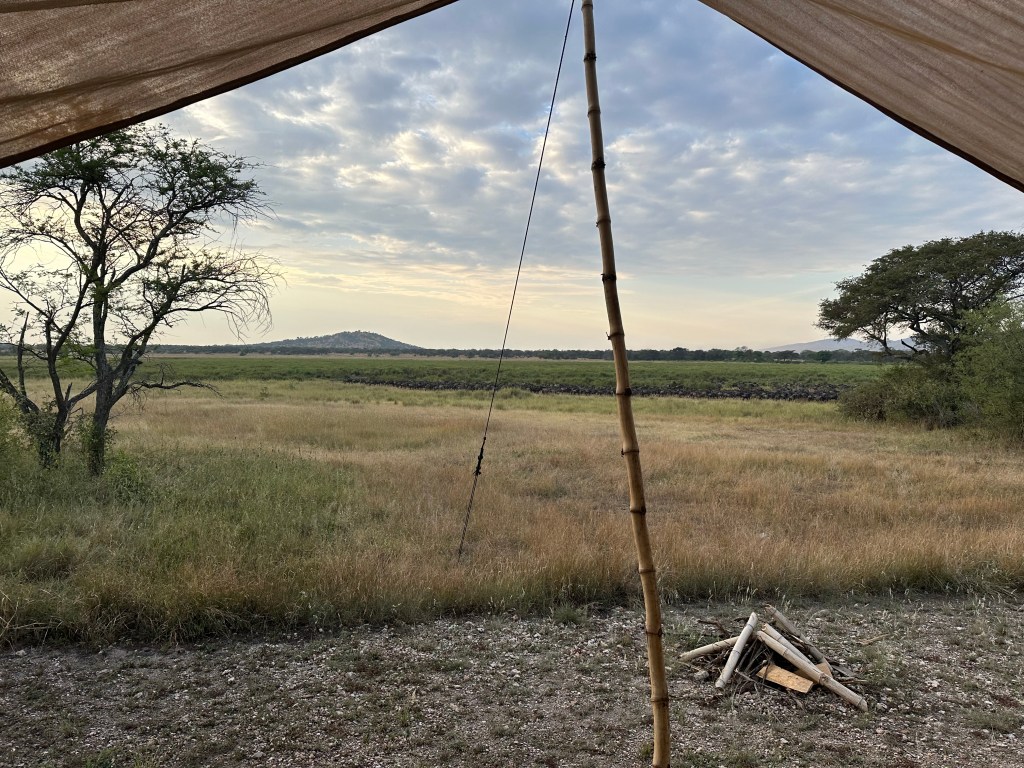
We stayed at the Asanja Camp in the West Grumeti region. This is a small tented camp ( only three accommodation tents accommodating six people in total) and a large open dining / bar tent. The sleeping tents are large, complete with flushing lavatory, outdoor shower with hot and cold running water and a king size bed – definitely ‘glamping’ . The camp overlooked a wetland where wildebeest, baboons, lions, wart hogs and the odd herd of elephant wandered through and past.
There was a bit of excitement at midnight on Wednesday night. A lion chased a wildebeest through our front ‘deck’ , hitting two of verandah poles and one of the Tilly lanterns on the way through. The noise was something else, but nothing compared to a few moments later when the lion killed the wildebeest in the bush just behind our outdoor shower… both the stimulation of what had woken us up, and the subsequent sounds as the lion(s) growled as they ate the wildebeest all meant sleep took a while to return. When we got up in the morning we also found that two of the Tilly lanterns on the path back to the dining tent had been smashed off their posts. We were lucky then a fire hadn’t been started in the dry grass.
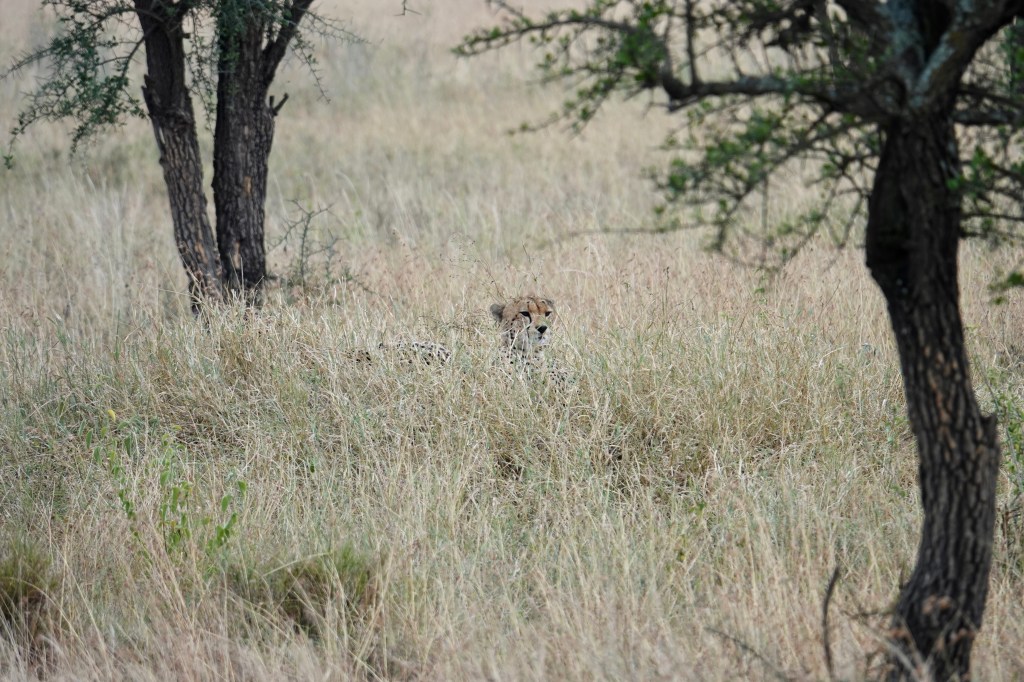
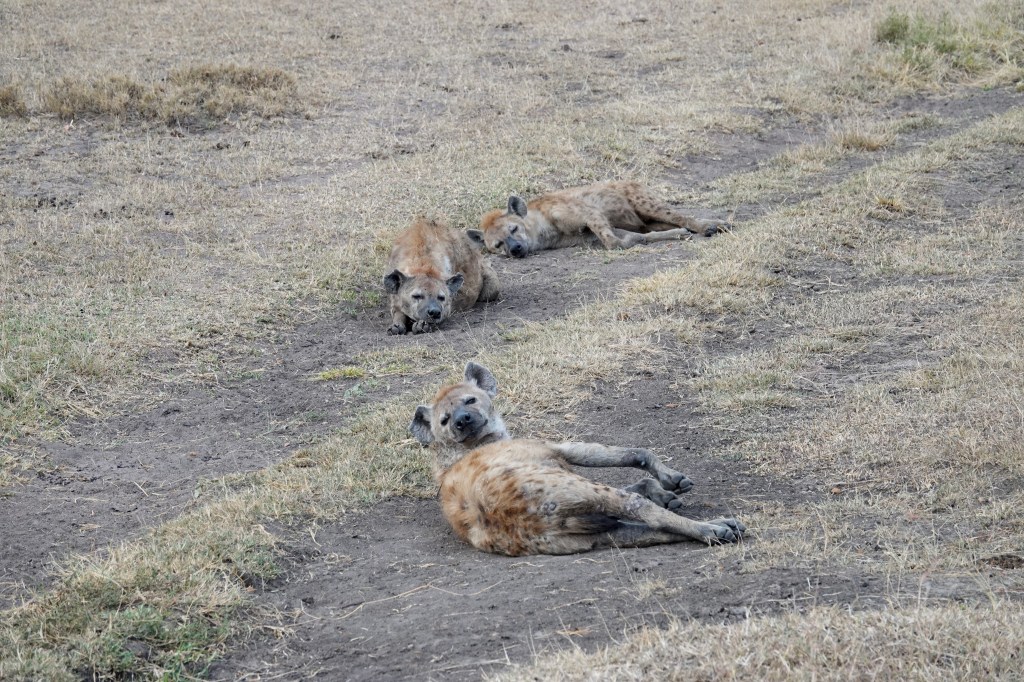
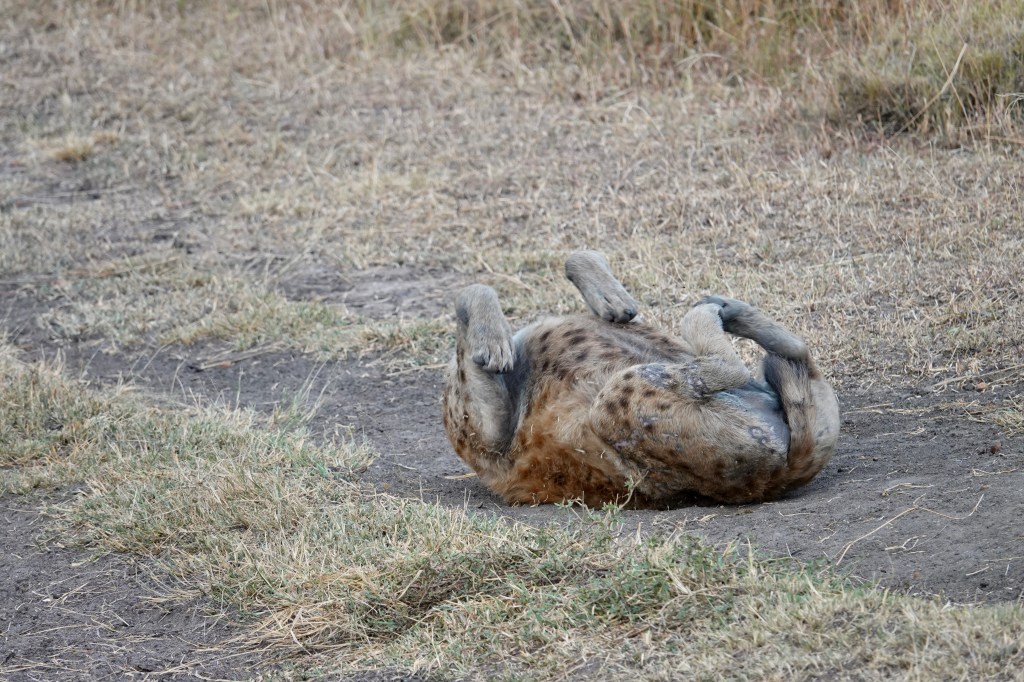
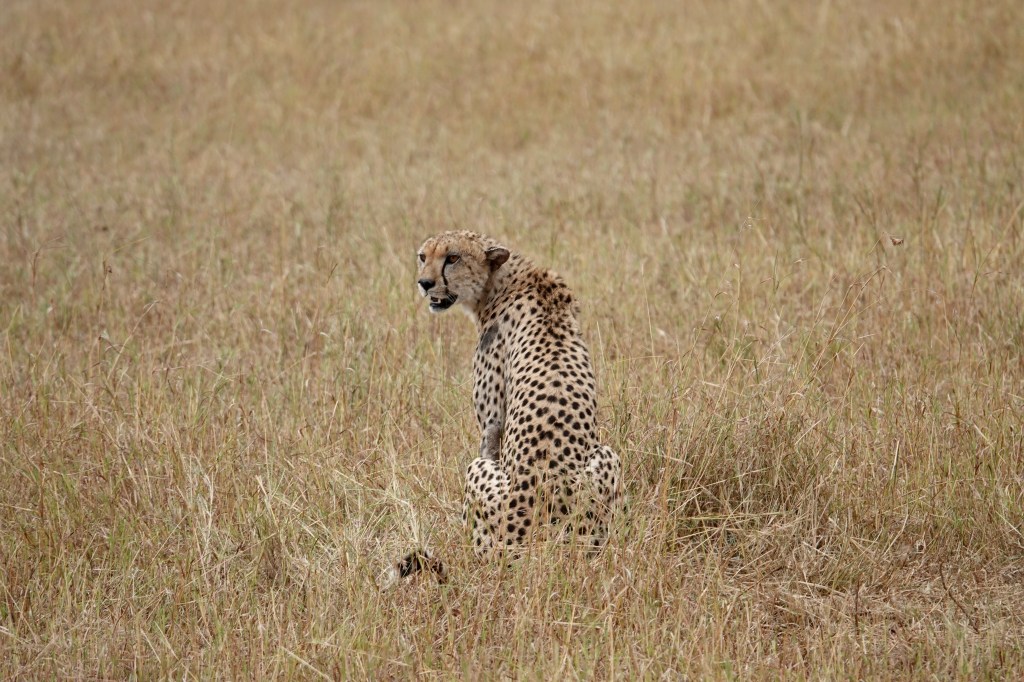
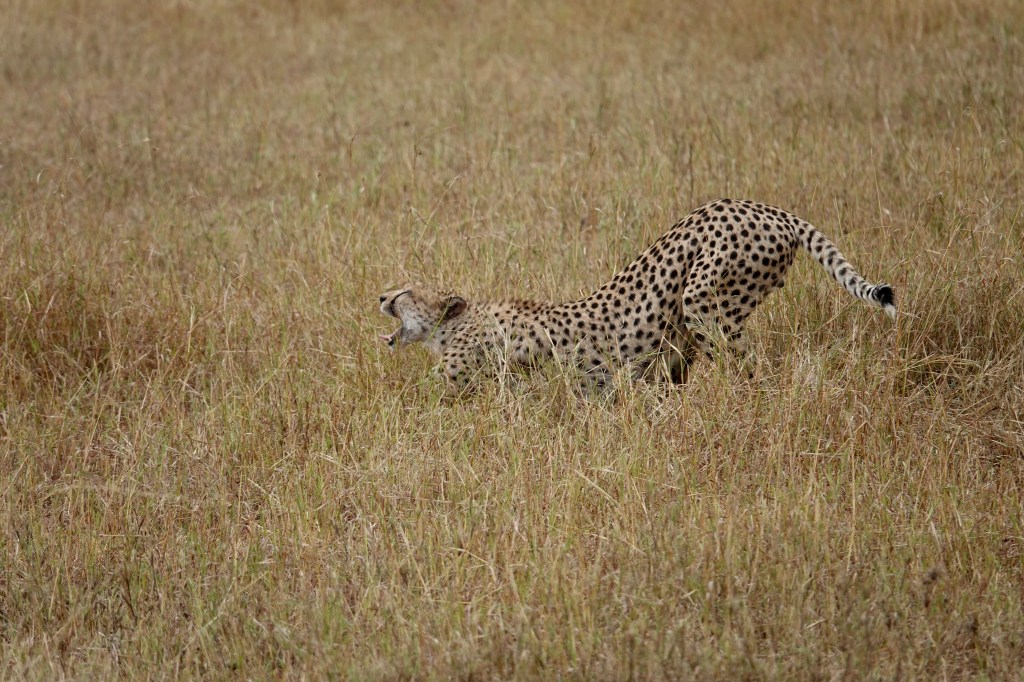
Because of the proliferation of herbivores there is also a large amount of predators. Some of the wildebeest herds had a ‘nursery’ feel – and these attract a fair amount or predation. There were also what amounted to ‘sick, lame, old or injured’ herds, these also do not do well. Add in the zebras and there is plenty of tucker for predators. We saw lots of lions , hyenas, a good cheetah sighting and literally hundreds of various types of vultures.
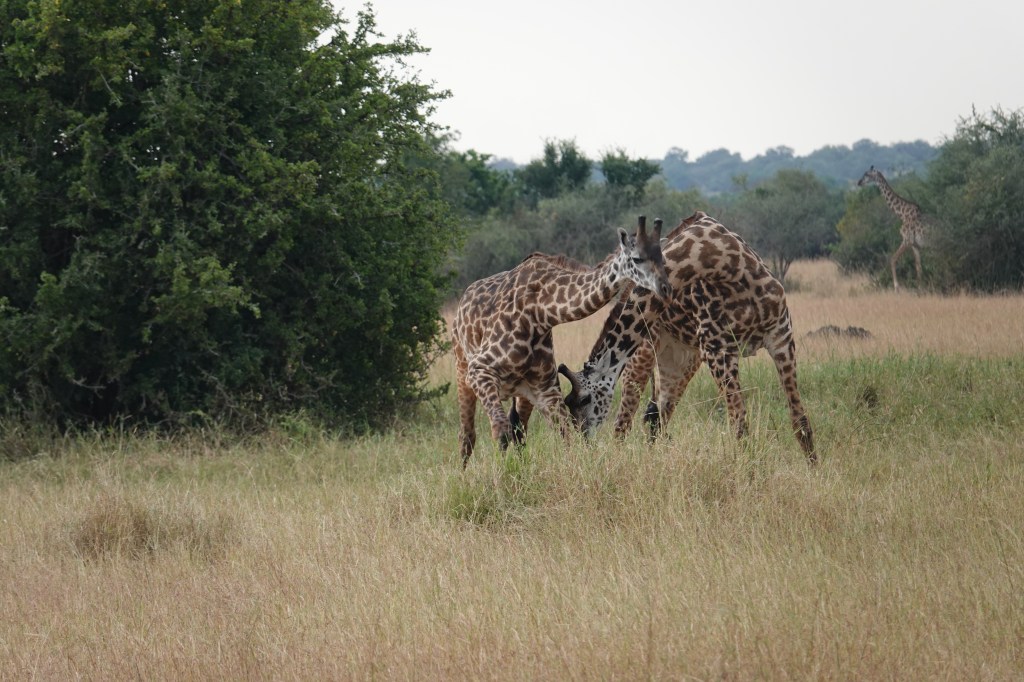
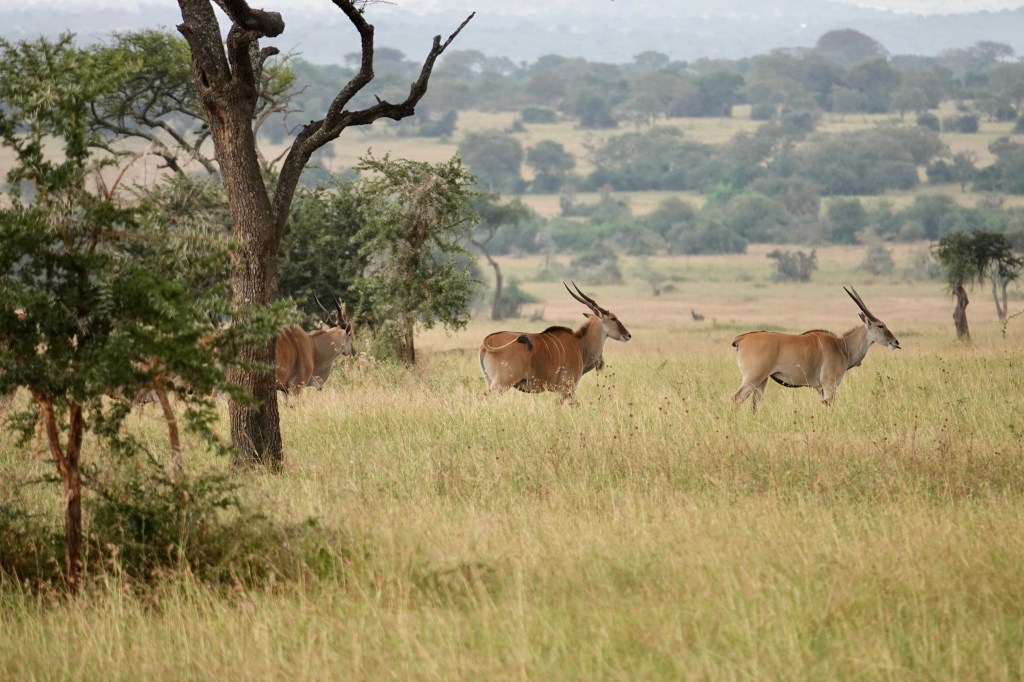
We also saw Eland (quite shy for such large animals) , a bachelor herd of Giraffe, some of whom engaged in practice fighting for us, and numerous birds ( including a fish eagle catching and eating a fish).
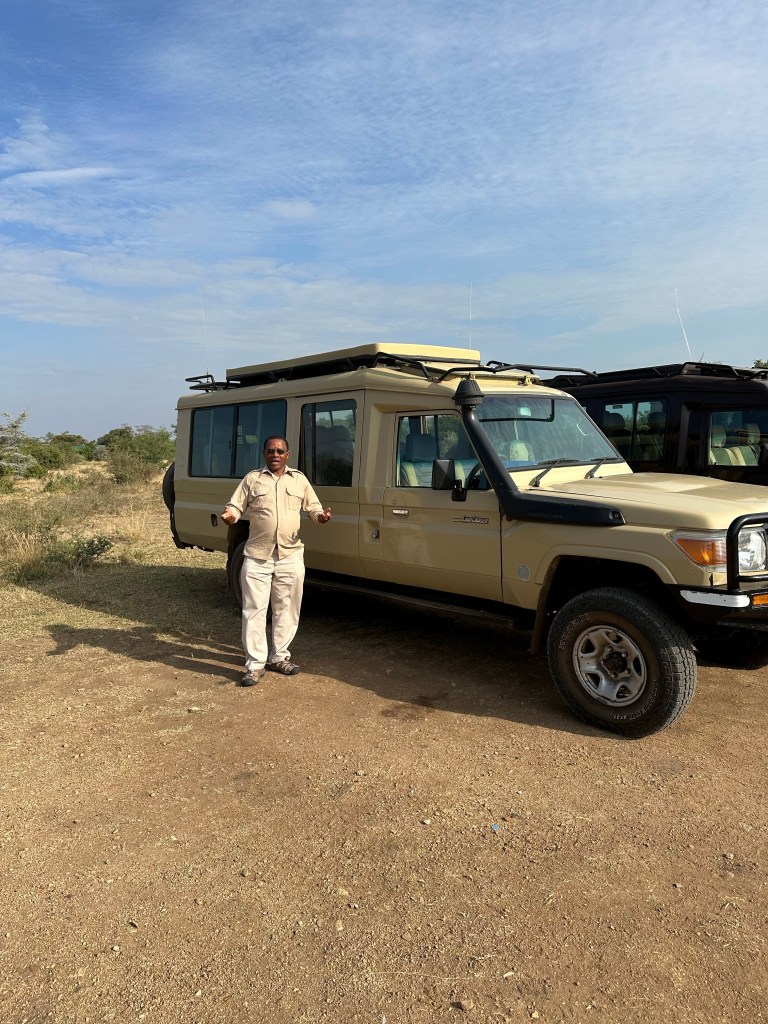
On Friday morning we said goodbye to our fantastic guide Wilson and the ‘Tank’ . We then flew out of the Serengeti from a bush strip on a Cessna Caravan ( piloted by a Kiwi from Hawkes Bay).
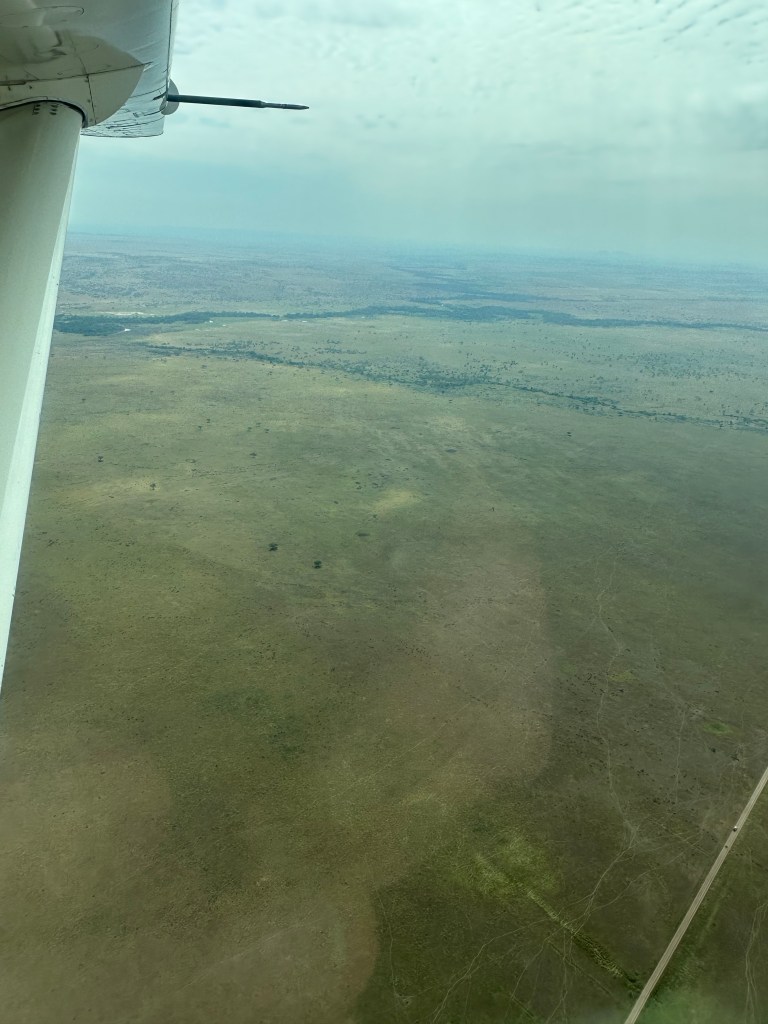
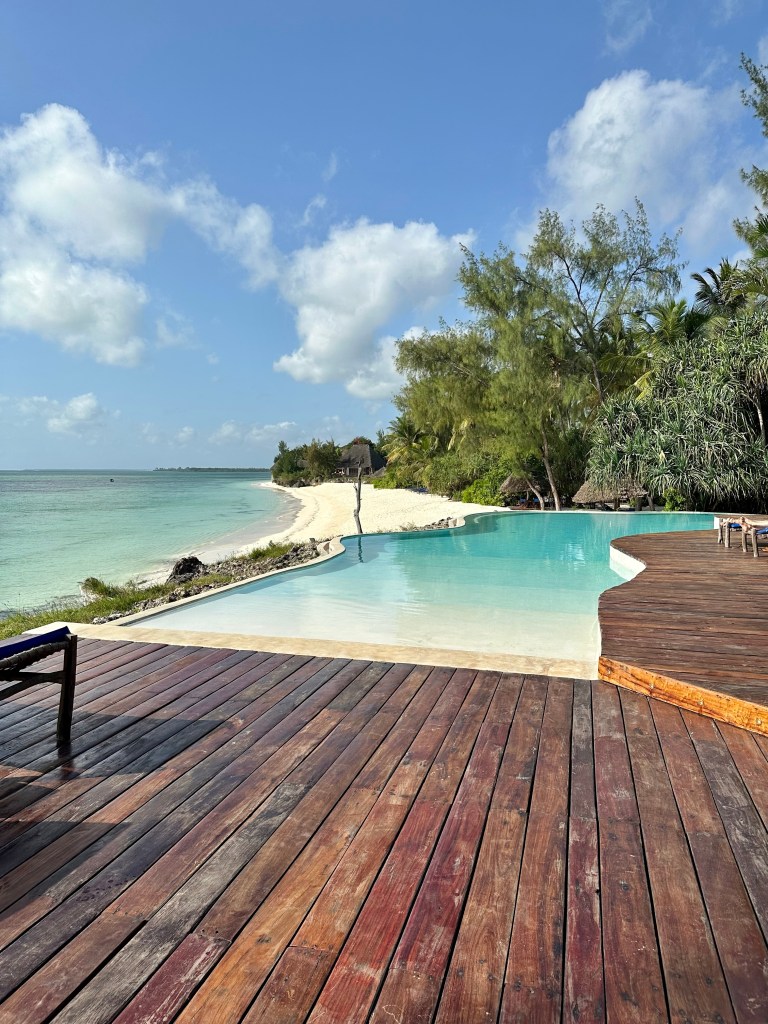
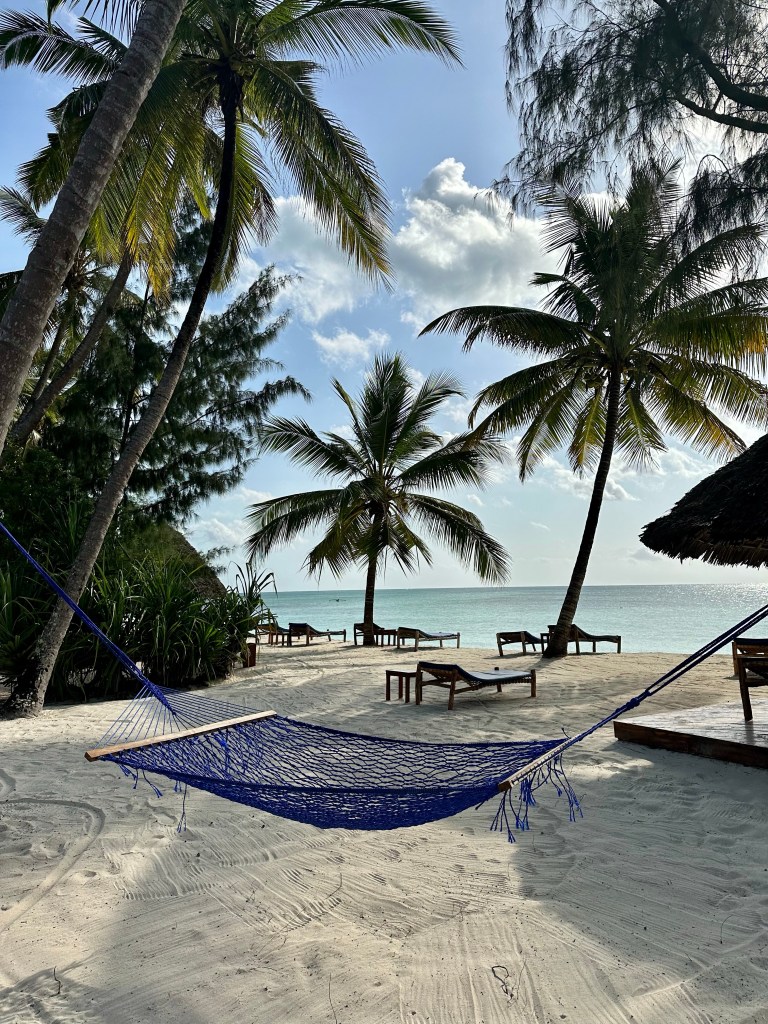
After a stop at the central Serengeti airstrip to pickup some more people, it was back over the Ngorongoro region and into Arusha. There we changed aircraft for a flight back to Zanzibar and a few days R&R at Pongwe Beach, on the East Coast of the island.
Next up – South Africa’s ‘Mother City’ – Cape Town.

 Ness’ and Mark’s Wandering