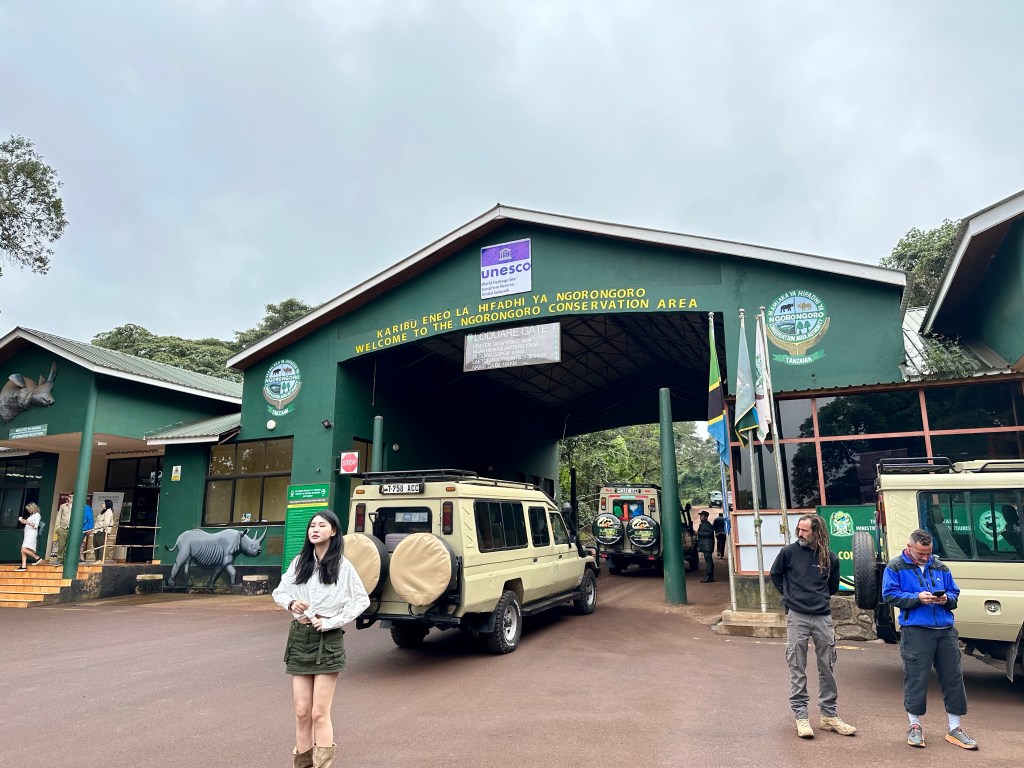
After a good night at the ‘Best View Lodge’ on the Rift Valley rim it was time to head north and west to the Ngorongoro Crater. After about one and a bit hours, and a fuel stop later, we were at the gate.
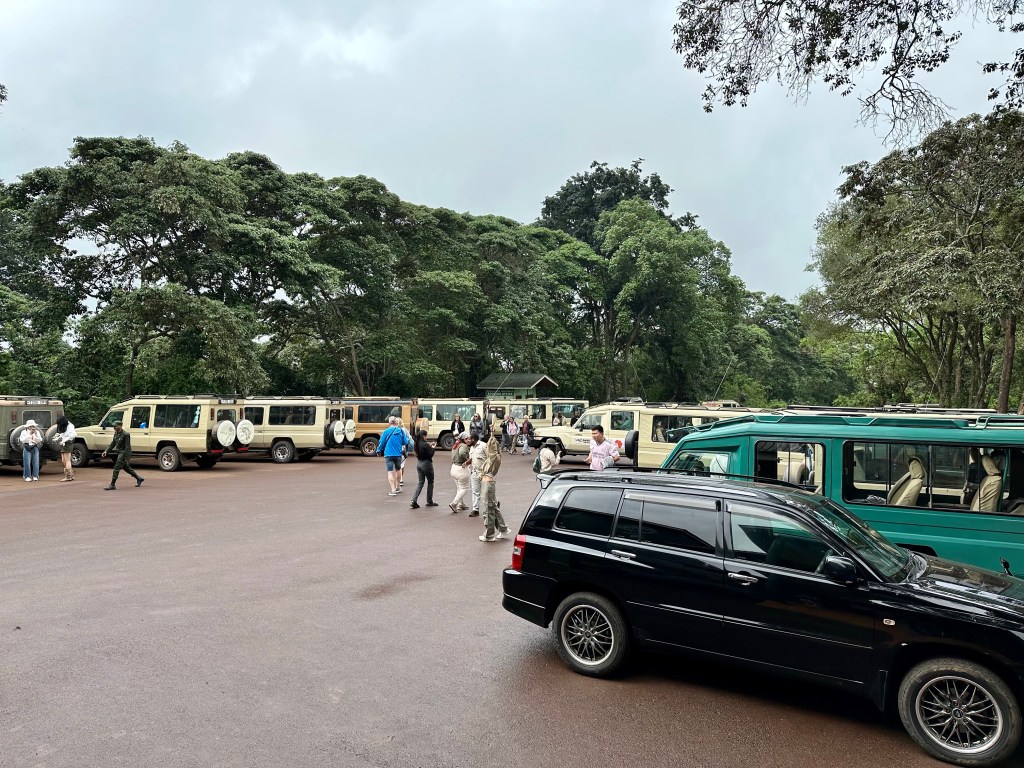
It was organised chaos as all the guides had to complete entry paperwork (African bureaucracy loves paperwork, preferably with multiple stamps required from multiple separate offices …).
The guide’s now unescorted guests, left to their own devices, pretty much got in the way of everything, including the traffic. Amusingly, several were seen to get into, or attempt to get into, someone else’s Landcruiser – often to the surprise of the lawful occupants.
Apparently the Ngorongoro Crater is technically classified as a ‘caldera’. Perhaps ‘crater’ works better for marketing? Formed from a very large volcano that then blew out its top and was subject to some faulting action, it’s name comes from the Masai word for ‘cow bell’ … because it’s shaped like a Masai cow bell.
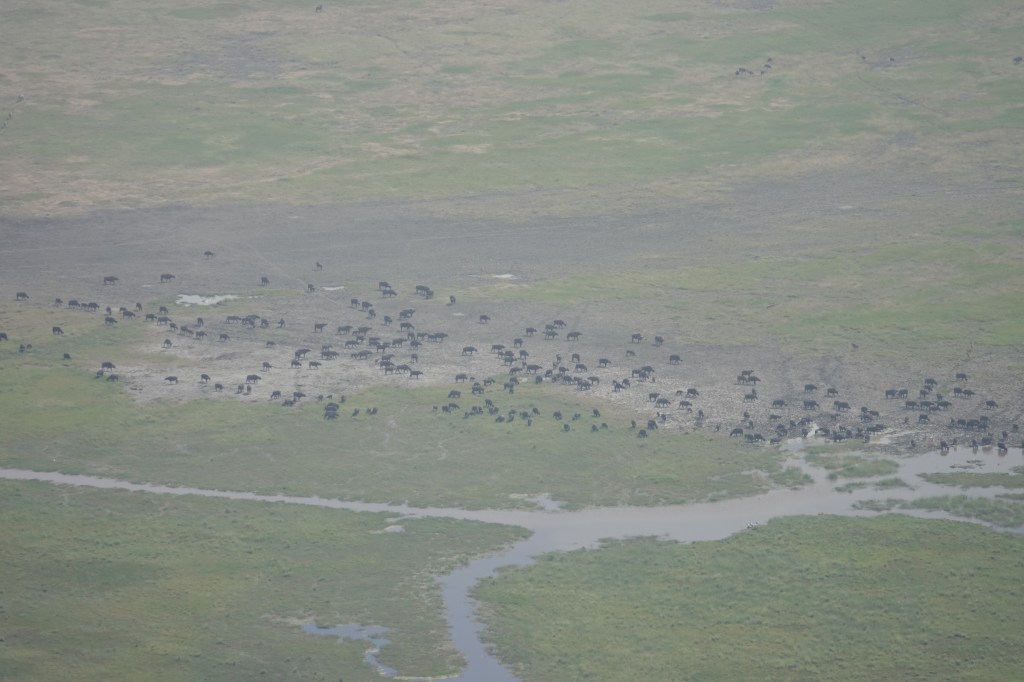

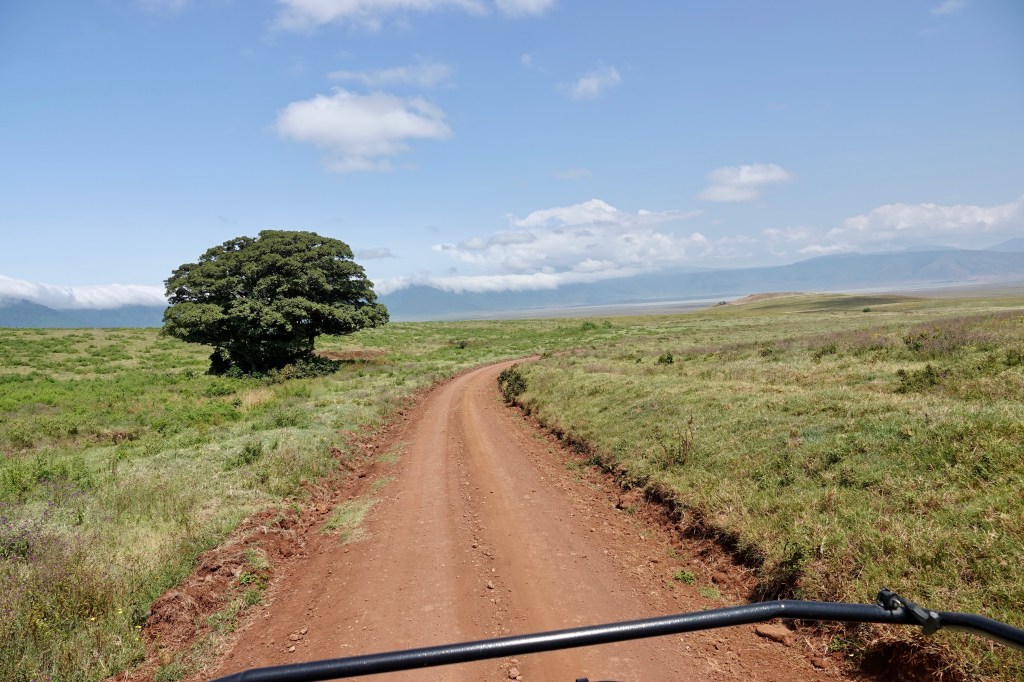
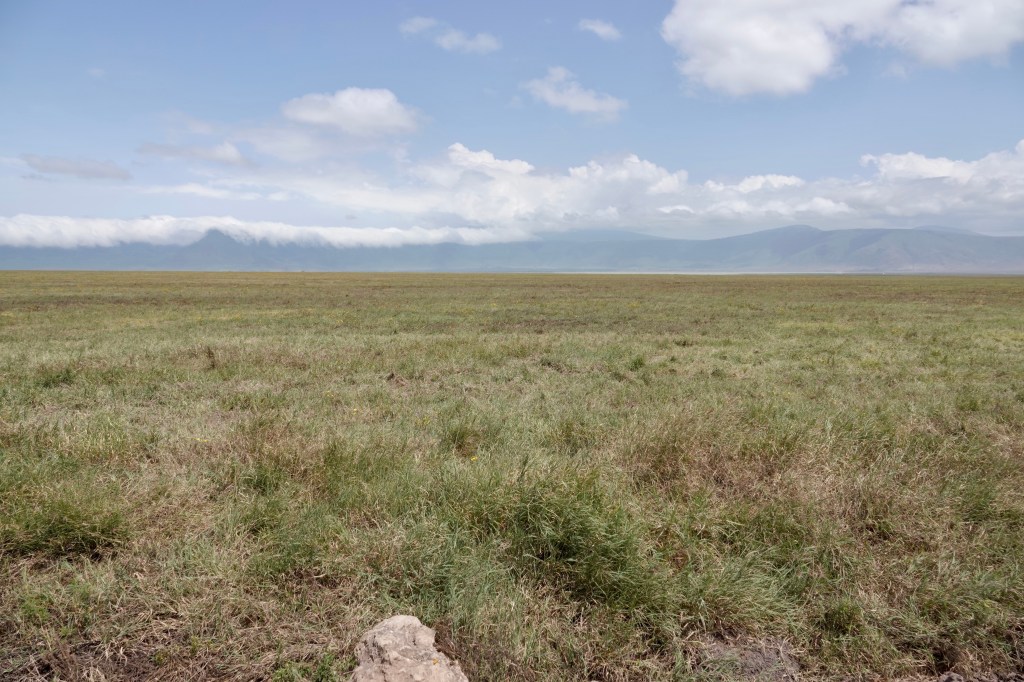
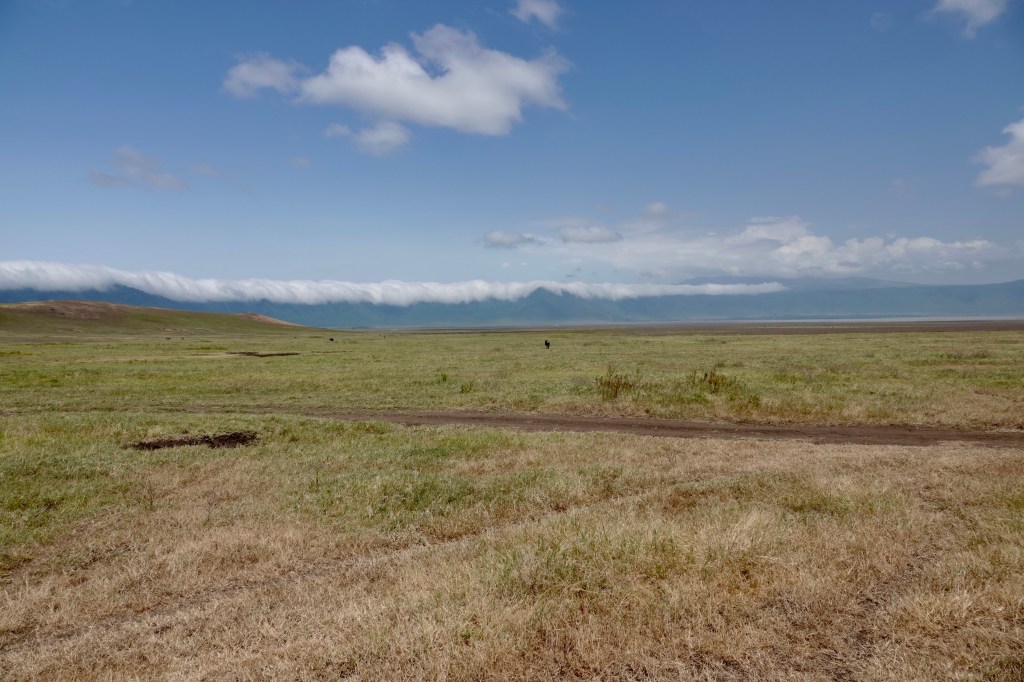
It is ‘other worldly’ down in the crater. There are a few ‘foothills’ around parts of the outer floor , a few permanent lakes and water courses, a large amount of undulating grasslands and some wooded areas tucked into the Western crater floor.
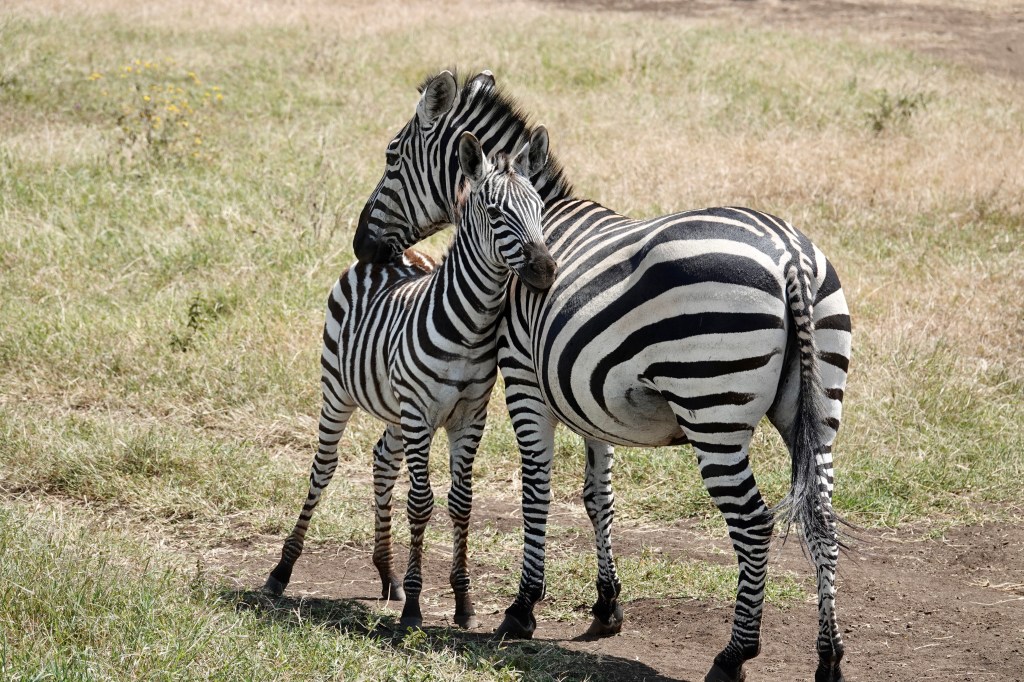
Herds of Cape Buffalo, Grant’s Gazelle, Thomson’s Gazelle, Zebra and Topi tend to favour the grasslands. There are also a few Black Rhino, but we didn’t get s ‘close up’ view of these, just seeing three in the distance.
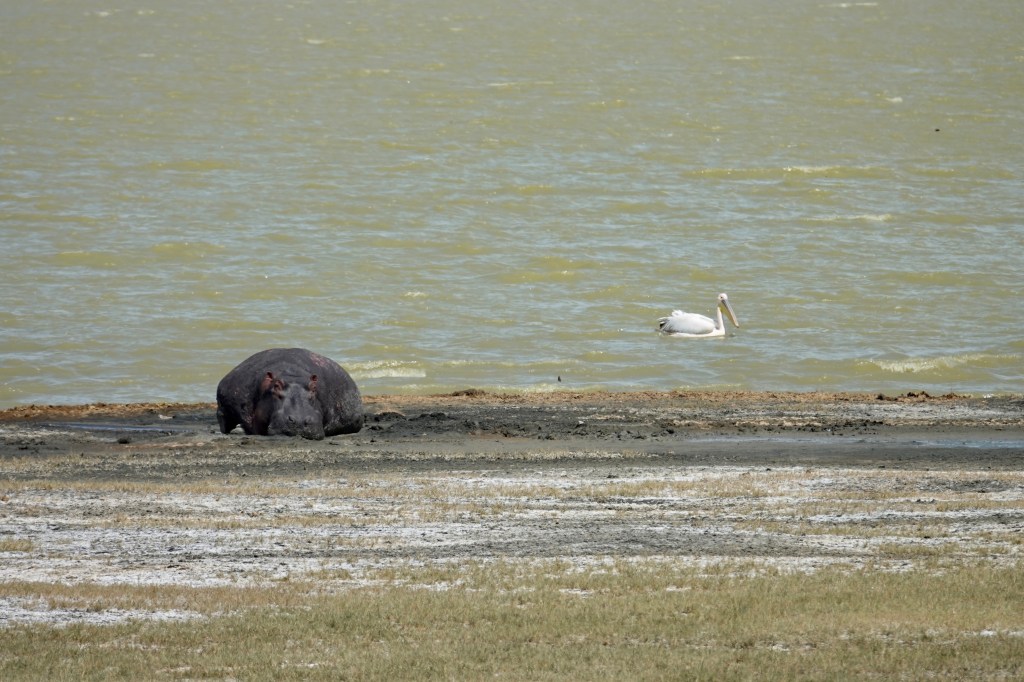
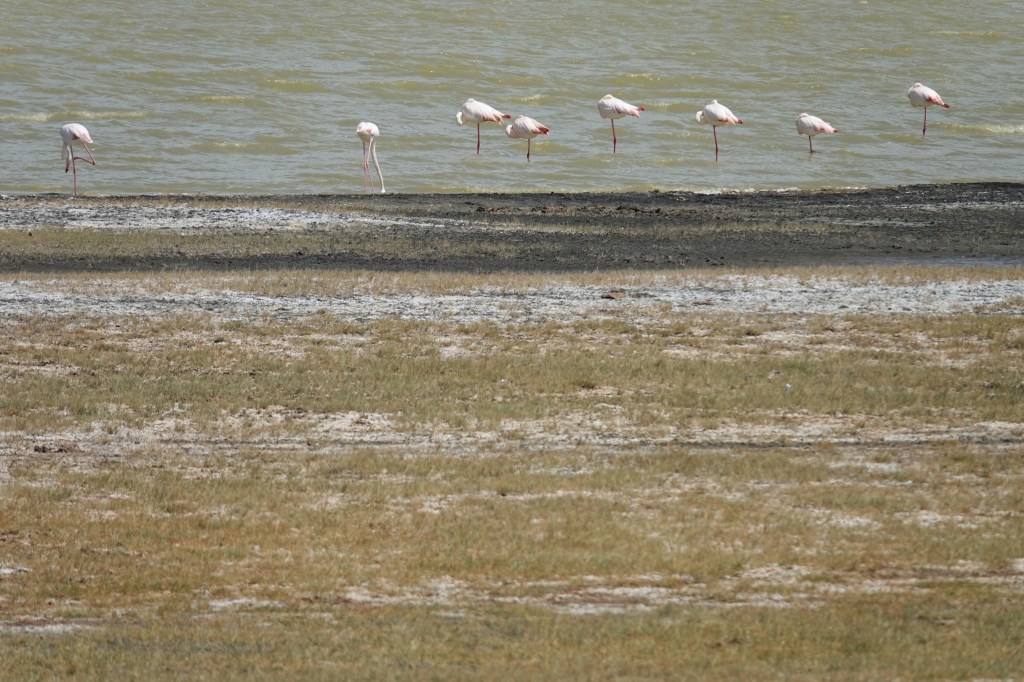
The water courses and lakes teem with bird life, including Flamingos, Yellow billed Cranes and the odd Pelican or two. The grasslands also had a lot of Kori Bustards, Secretary Birds, Grey Crowned Cranes and various raptors and buzzards.
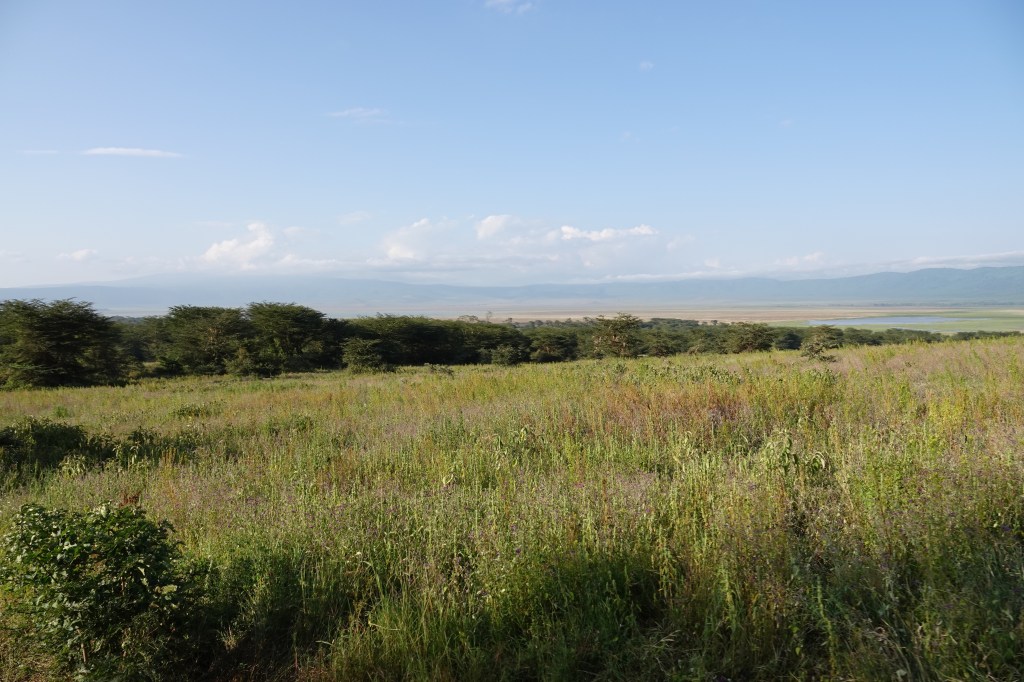

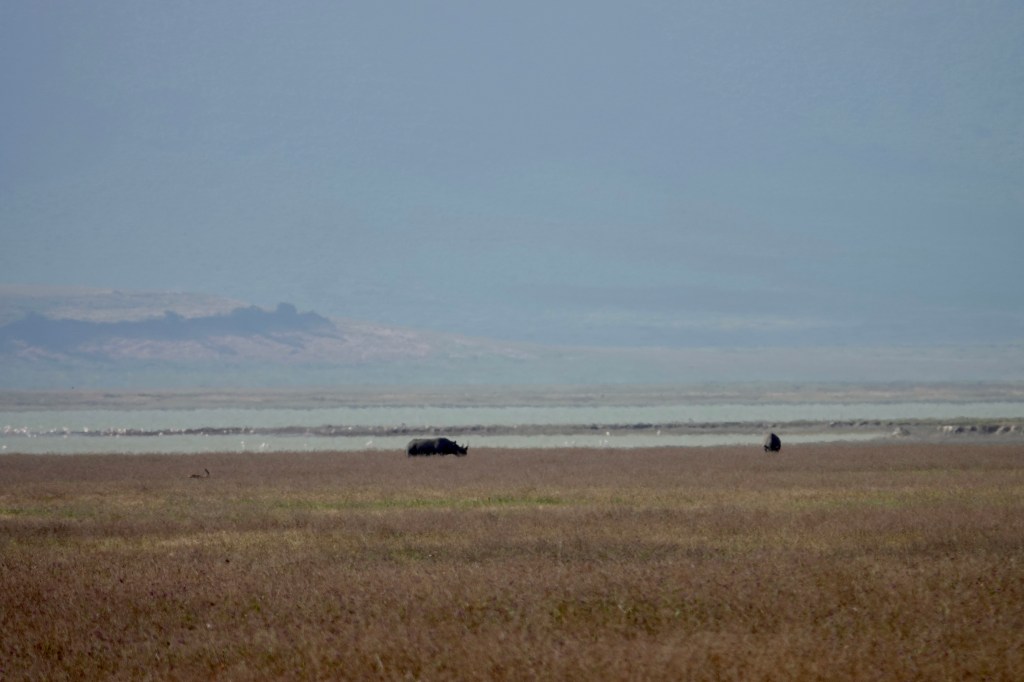
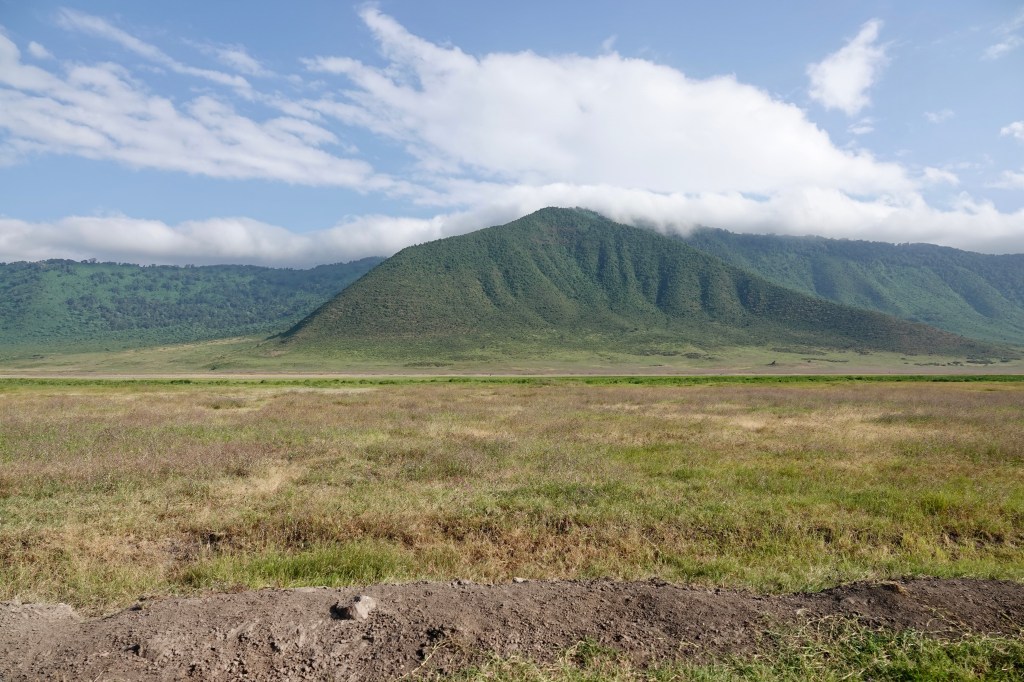
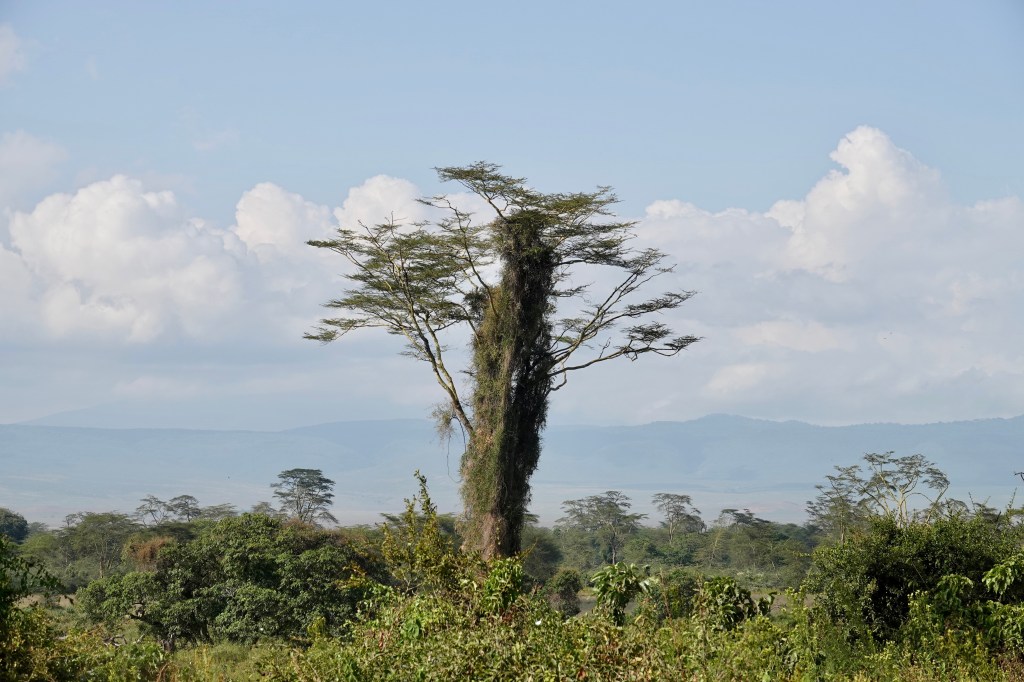
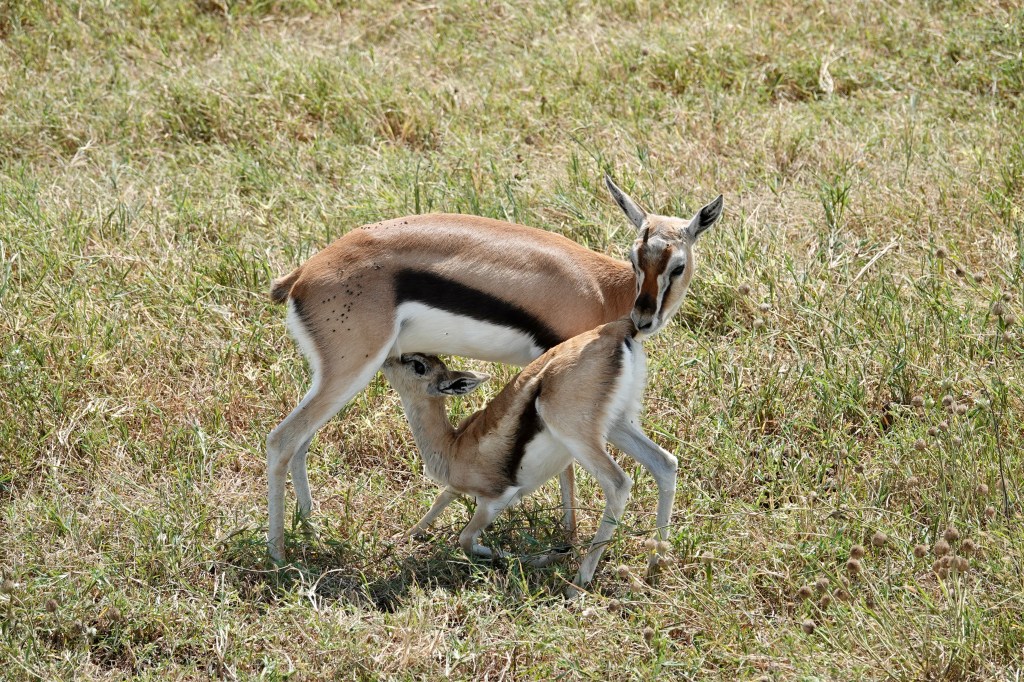
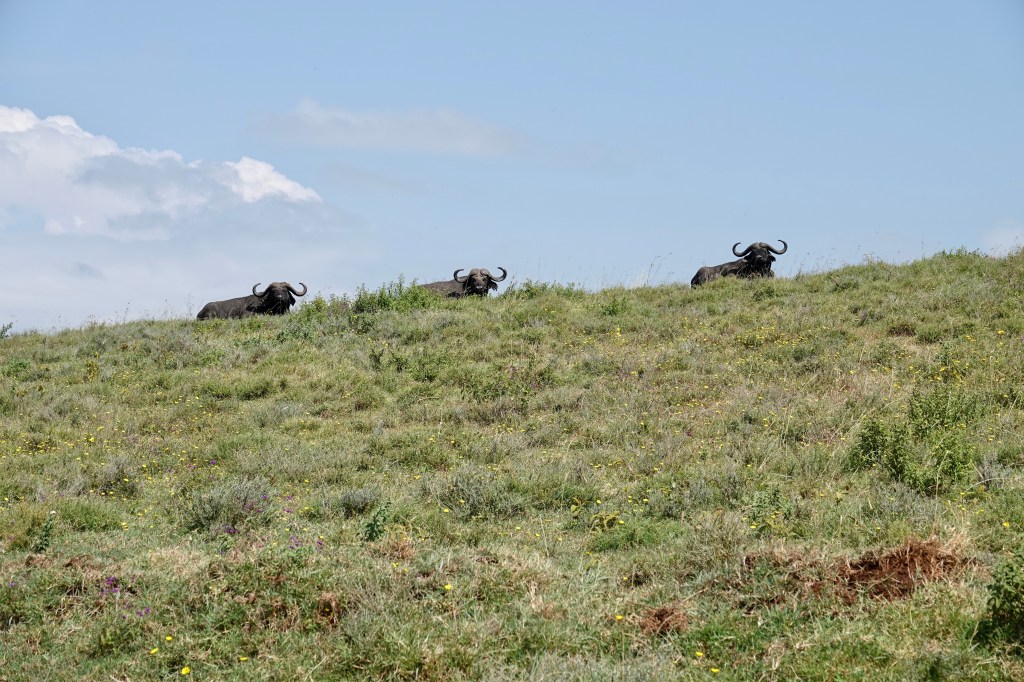
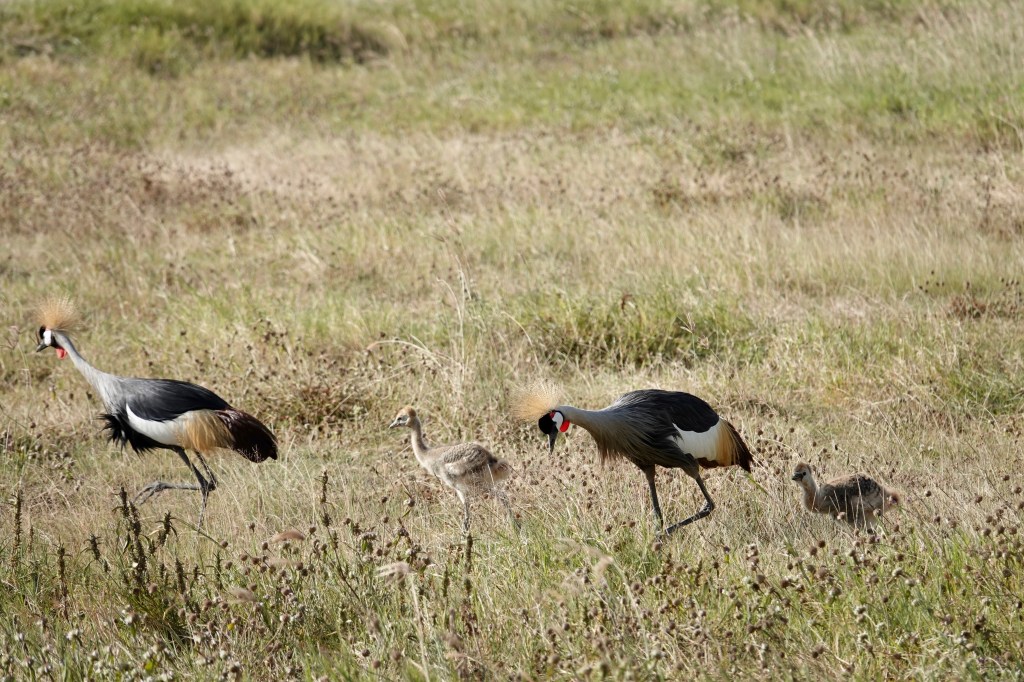
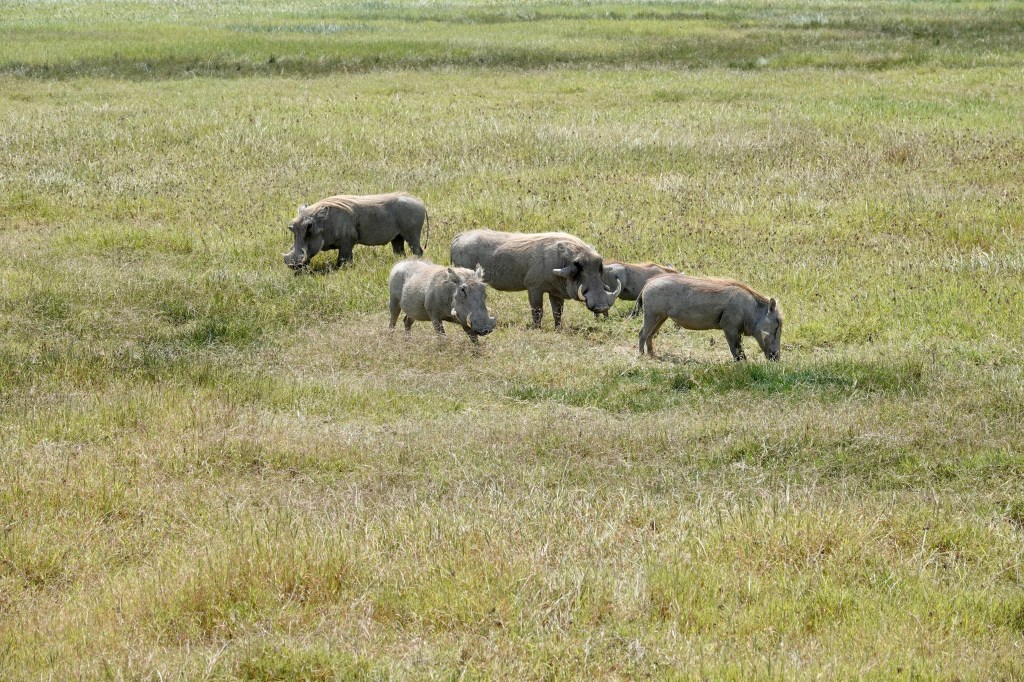
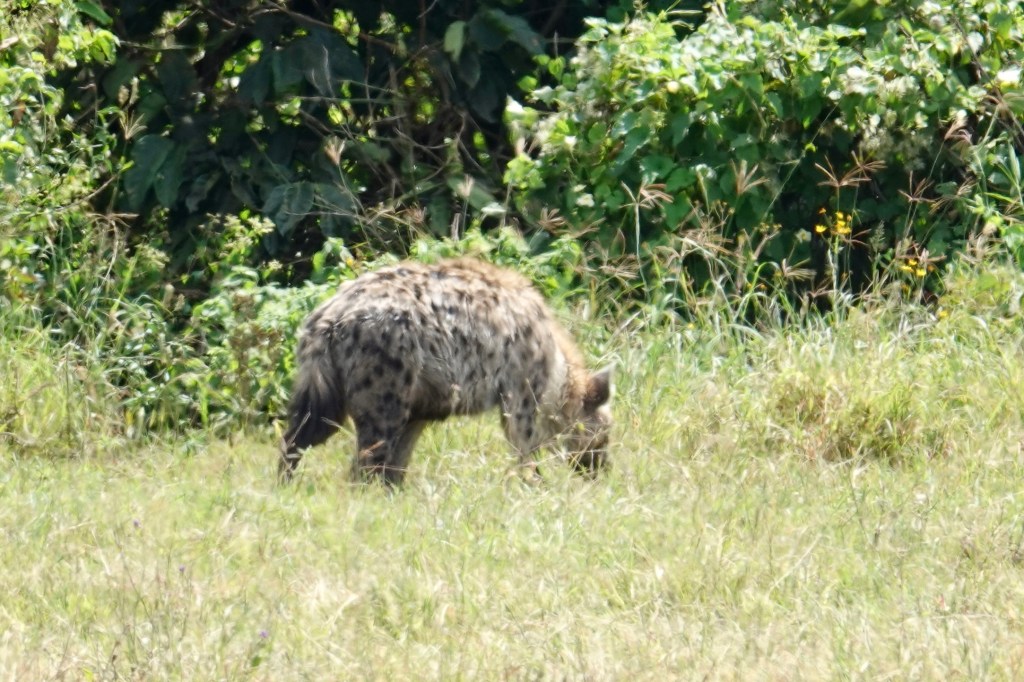
Saw a few (shy) elephants in the woodlands, but didn’t get any good shots because of their skill in largely remaining concealed- a remarkable ability in such large animals. We also observed a lone Hyena being fascinated with something in a creek bushline, but couldn’t make out or sense what it was.
After a good seven or so hours in the crater it was time to head for our lodge for the evening. The climb out was incredibly steep up a series of switchbacks. After the crater floor it was also cool and misty.
We stayed at a place called ‘Rhino Lodge’. While it looked promising, it pretty much a dud place , with Mark making the acquaintance of some extra African wildlife during the evening in the form of bed bugs. Do not stay at ‘Rhino Lodge’ if you visit the Ngorongoro Crater!
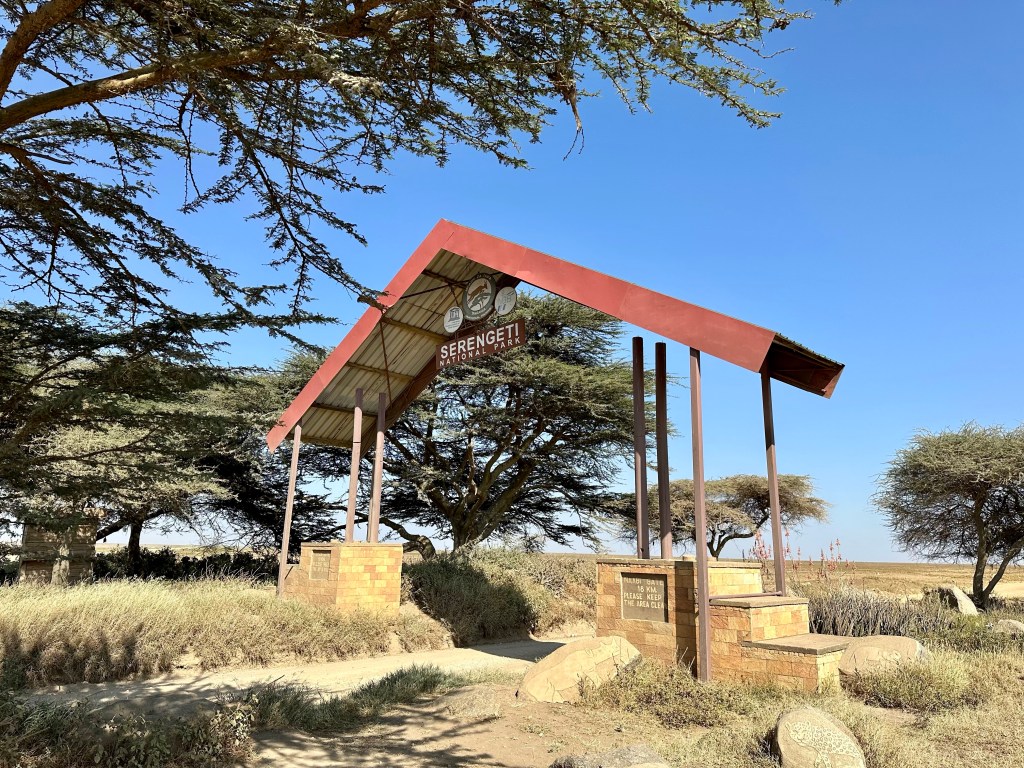
The next morning ( Tuesday 20th June) we headed along the ridge line and down into the Ngorongoro Conservation area and on the way to the Serengeti. This area is shared by wildlife and the Masai, who still practice their traditional cattle herding in the area. This was part of a ‘deal’ cut with the Masai when their two centuries or so of occupancy of the Serengeti was ceased with the creation of the Serengeti National Park.
Just after we started driving we had to pause for a few Wildebeest crossing the road (video to be uploaded when bandwidth allows) :
Video to be inserted here.
Next post : the Central Serengeti

 Ness’ and Mark’s Wandering