Long weekend in Adelaide was great and passed too quickly. Great lunch at Aurora in Light Square with the Raz man and V on Sunday; lunch with family and old friend / mentor on Monday, and off at 8:45 on Tuesday morning, departing Kaurna country. Thanks to R and V for (typically) awesome hospitality ( yet again)!
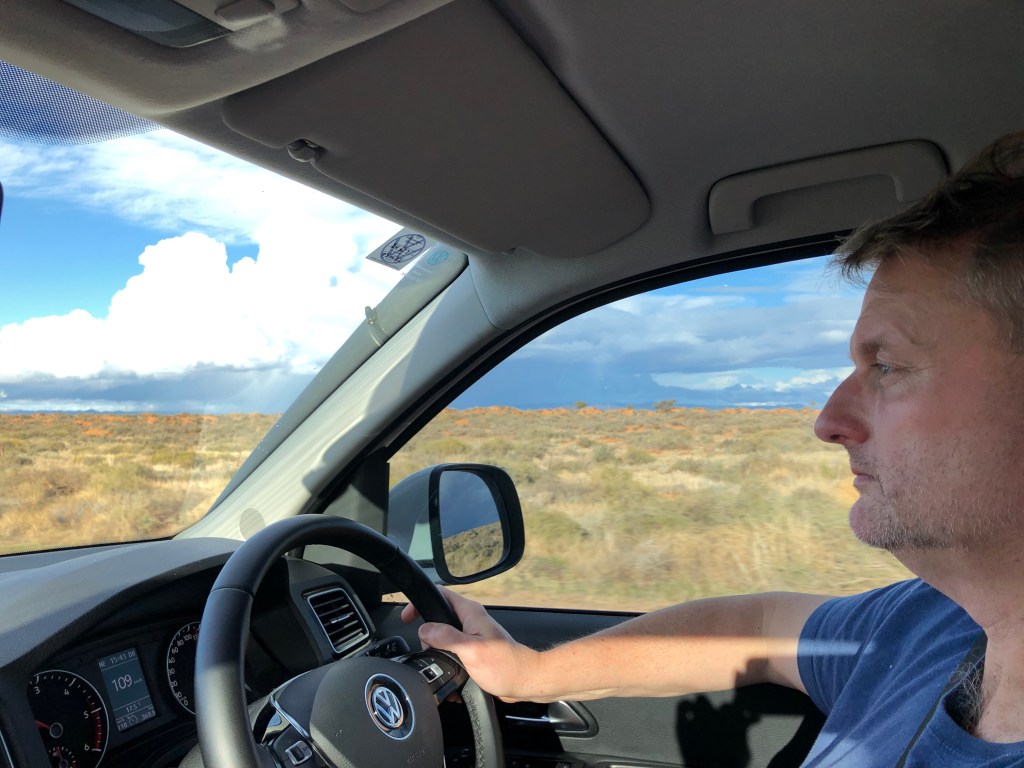
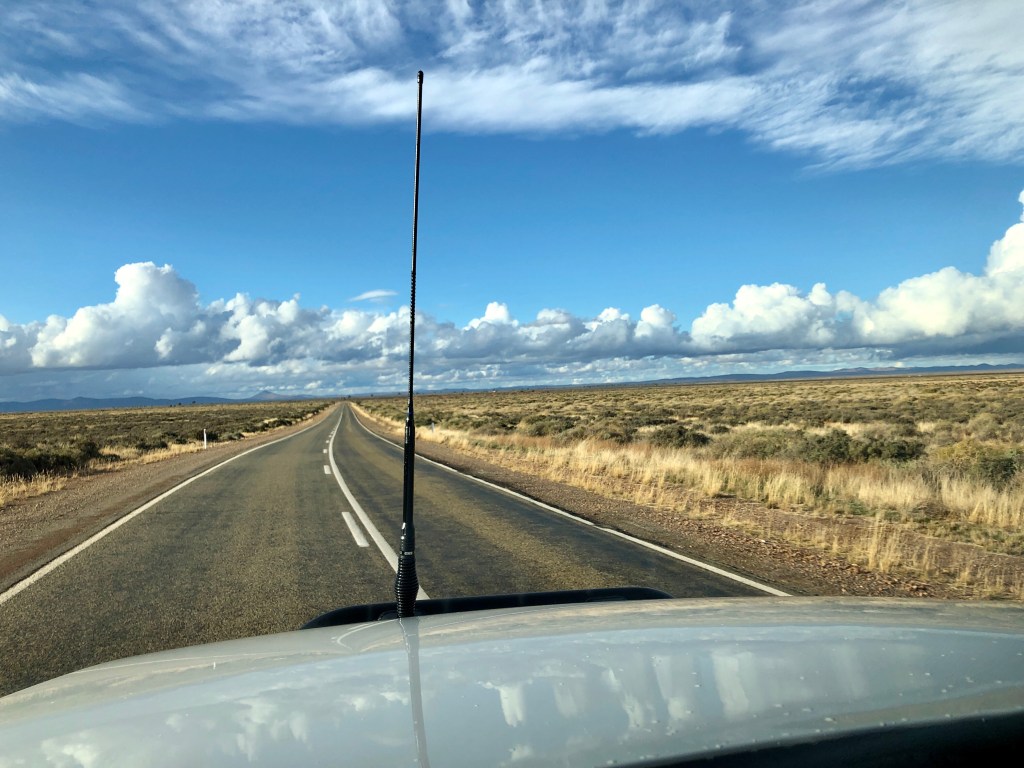
All outback trips essentially start on Port Wakefield road for South Australians , then get real when you sight Tent Hill on the horizon beyond Port Augusta. And so it was for us. Except we turned right and headed up through Pitchi Richi pass – Quorn – Willochra Plains – Hawker to Wilpena Pound .
The area of the plains between Quorn and Hawker is dotted with old colonial era ruins . The story of why they are there has an interesting echo in today’s climate debate.
Within 30 years of the white colonial settlement of South Australia (1836) the colony had expanded some 300 km north into the Southern Flinders Ranges. Those years were unseasonably good , so the land north of Quorn was untypically wet and lush . European settlers moved in and started cropping, against the advice of the Surveyor General of the Colony , George Goyder. He had worked out that the rainfall in the region in the long term might support light pastoralism, but not cropping. He was right. Within a decade the rains returned to normal and the farms failed .
Today, ‘Goyder’s Line’ is charted across the Mid-North of South Australia and consistently marks the boundary between cropping and pastoral pursuits. Not satisfied with that claim to history, George Goyder went on to plan the initial layout and Settlement design of Darwin , the Northern Territory’s capital.
We arrived at Wilpena as the sun was setting . Just setup and a storm hit from the west . Dinner of champions was cheese, crackers and South Australian Chardonnay as the storm raged outside.
Sleeping tonight in Adnyanathanha Country . ‘Adnya’ meaning ‘rock’ and ‘Manthanha’ meaning ‘people ‘ in the language of the traditional owners . We acknowledge them and pay our respect to their elders, past , present and emerging.

 Ness’ and Mark’s Wandering